










India’s Dhruv-NG helicopter marks a historic shift as HAL moves from military focus to civilian aviation, promising safer rescue, medical, tourism, and offshore operations nationwide.
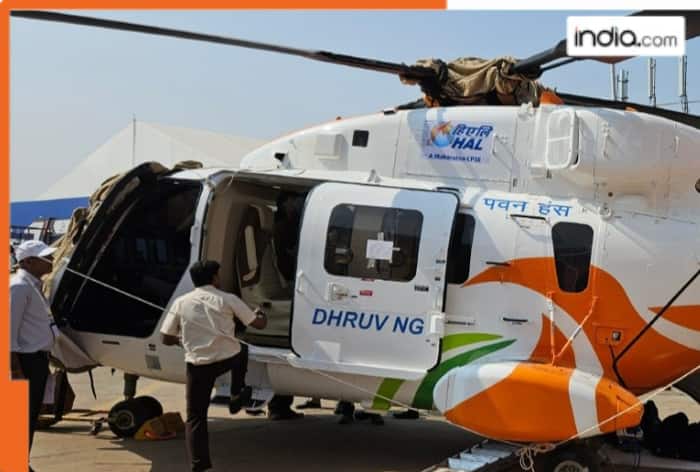
Imagine a helicopter that can save lives during floods, carry tourists to hill stations, rush patients to hospitals, and even work at oil rigs in the middle of the ocean. This Tuesday, December 30, India is about to witness the first flight of such a remarkable machine—the ALH Dhruv-NG, built entirely in our country by Hindustan Aeronautics Limited (HAL).
For decades, HAL has been making helicopters mainly for our Army, Navy, and Air Force. The original Dhruv helicopter has served our armed forces well in mountains, deserts, and seas. But now, HAL is taking a big leap. They want to make helicopters that ordinary people can use—for medical emergencies, tourism, connecting remote villages, and rescue operations during disasters.
Why Does India Need More Civil Helicopters?
Right now, India has a very small fleet of civilian helicopters compared to our huge population and vast geography. We have roughly 300 to 400 civil helicopters operating across the entire country. Compare this with the United States, which has over 12,000 civilian helicopters, or even smaller countries like Brazil with around 2,500. China, our neighbour, operates more than 1,200 civil helicopters. Clearly, India has enormous room to grow.
The demand is rising fast. Air ambulance services are desperately needed in remote areas where roads don’t reach. Oil and gas companies working offshore need helicopters to transport workers to platforms in the Arabian Sea and Bay of Bengal. Tourist destinations in Uttarakhand, Himachal Pradesh, and the Northeast are looking for helicopter services to boost tourism. During floods and earthquakes, helicopters become lifelines for rescue teams.
Where Are We Getting Helicopters Now?
Currently, most civilian helicopters in India are imported from foreign companies. We buy from European manufacturers like Airbus Helicopters (which makes the popular H125 and H145 models), American companies like Bell and Sikorsky, and Russian manufacturers like Kazan Helicopters. These foreign helicopters are expensive to buy and maintain. Spare parts take time to arrive, and we depend on other countries for servicing and upgrades.
India spends hundreds of millions of dollars every year importing these helicopters. This money goes out of our country, and we remain dependent on foreign technology. That’s why having a home-grown helicopter like Dhruv-NG is so important for India’s self-reliance.
What Makes Dhruv-NG Special?
The Dhruv-NG (Next Generation) is not just any helicopter—it’s designed specifically for civilian use, keeping safety and comfort as top priorities. It weighs 5.5 tonnes and runs on two Shakti engines, which are also made in India. Having two engines is crucial because if one fails, the other keeps working, ensuring passengers stay safe.
The most impressive feature is its Cat ‘A’ performance rating. This technical term means something very simple but vital: even if one engine stops working during take-off or landing (the most dangerous moments), the helicopter can still fly safely or land without crashing. This is absolutely necessary for passenger operations, especially when flying over water or mountains where emergency landing spots are scarce.
Dhruv-NG can fly at a maximum cruise speed of 250 kilometres per hour. That’s faster than most cars on highways! It can carry between 9 to 14 passengers depending on the configuration, making it perfect for group travel. The helicopter can operate both day and night, which is essential for medical emergencies that don’t wait for sunrise.
International Recognition and Safety Standards
In June 2023, the European Aviation Safety Agency (EASA)—one of the world’s strictest aviation authorities—gave Dhruv-NG a restricted type certificate. This means European experts have examined the helicopter and approved it for specific operations like offshore transport. This is a proud moment because very few Indian-made aircraft have received such international recognition.
The helicopter meets AS4 compliance standards, which are modern international rules for aviation safety. It comes loaded with advanced systems that sound complicated but serve simple purposes. The terrain awareness system warns pilots if they’re flying too close to mountains. The traffic collision avoidance system alerts them about nearby aircraft. The satellite flight-following system allows ground control to track the helicopter’s exact location in real time, ensuring help reaches quickly if something goes wrong.
For sea operations, Dhruv-NG has emergency flotation gear that helps it float on water like a boat if it must land on the ocean. It carries life rafts for passengers and has crash-worthy fuel tanks designed to prevent fires during accidents.
How Dhruv-NG Can Transform Indian Aviation?
If Dhruv-NG succeeds in the civil market, it can replace a significant portion of imported helicopters. HAL estimates India will need at least 1,000 to 1,500 additional civil helicopters over the next 15 years to meet growing demand. Even if Dhruv-NG captures just 30 to 40 percent of this market, that’s 300 to 600 helicopters—creating thousands of jobs in manufacturing, maintenance, and operations.
More importantly, it keeps money within India. Instead of paying foreign companies, we’ll be paying Indian workers, engineers, and businesses. Spare parts and servicing will be available locally, making operations cheaper and faster. Other countries might even buy Dhruv-NG, turning India into a helicopter exporter rather than just an importer.
A Historic Day for Indian Aviation
The first flight scheduled for Tuesday, December 30, at HAL’s Helicopter Division in Bengaluru is being treated as a landmark moment. Civil Aviation Minister Kinjarapu Ram Mohan Naidu will officially launch the helicopter, signalling the government’s strong support for this indigenous project. December 30, 2024, could well be remembered as the day India truly entered the global civil helicopter market with a product that matches international standards.
For young Indians dreaming of careers in aviation, aerospace engineering, or technology, Dhruv-NG represents the future—a future where India designs and builds world-class machines that serve our people and compete globally. The sky, quite literally, is no longer the limit for Indian innovation.
———- E.O.M
(Girish Linganna is an award-winning science communicator and a Defence, Aerospace & Geopolitical Analyst. He is the Managing Director of ADD Engineering Components India Pvt. Ltd., a subsidiary of ADD Engineering GmbH, Germany.)


