










Sheikh Hasina’s government fell in August 2024 after weeks of widespread protests and unrest across Bangladesh. The demonstrations erupted over allegations of corruption, abuse of power, and the silencing of opposition voices.
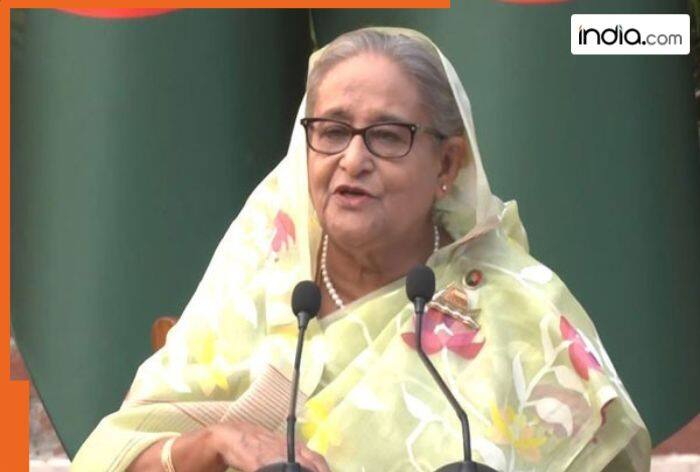
Former Bangladesh Prime Minister Sheikh Hasina has blamed the country’s interim government, led by Muhammad Yunus, for creating tensions with India. She said the government’s “violent and extremist” approach is pushing Bangladesh in a dangerous direction and violating its own Constitution by banning her party, the Awami League, from contesting the upcoming elections.
Hasina, who has been living in self-exile in India since her government was overthrown in August 2024, made these remarks in written responses to Hindustan Times on Thursday. She expressed gratitude to India, saying she was “deeply greatful to the Indian people for giving me a safe refuge.”
The former prime minister accused the interim government of trying to silence her party by declaring it illegal. She said this move “goes against the Constitution” and deprives millions of Awami League supporters of their right to vote.
Hasina also warned that Yunus’s leadership could destabilize Bangladesh and strain its relationships with neighboring countries. “By allowing extremists to hold power in his government, Yunus is putting the long-standing friendship between Bangladesh and India at risk,” she said.

Sheikh Hasina’s government fell in August 2024 after weeks of widespread protests and unrest across Bangladesh. The demonstrations erupted over allegations of corruption, abuse of power, and the silencing of opposition voices. Large numbers of students and civil society members joined the movement, demanding Hasina’s resignation and the creation of a neutral interim government.
As clashes between protesters and security forces turned increasingly violent, pressure on Hasina’s administration grew. Eventually, her government was forced to step down amid escalating chaos.
Soon after her ouster, Hasina fled to India, saying she feared for her safety. Reports at the time indicated that mobs had surrounded her residence in Dhaka, and that security forces loyal to the new regime had withdrawn protection. India later offered her temporary asylum, marking a major turning point in her long political career.


