










The Supreme Court has rejected the petition which talked about the impact of Ethanol on older vehicles which are not compliant with E20.
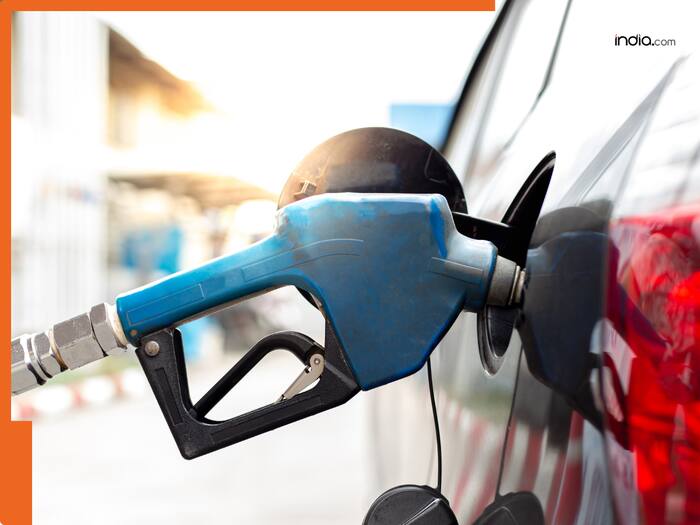
SC on Ethanol Blended Petrol: In a significant development amid the nationwide row on Ethanol Blended Petrol, the Supreme Court on Monday dismissed a plea challenging the nationwide rollout of 20% Ethanol Blended Petrol (E20) along with the demand of an option of ethanol-free fuel. Senior advocate Shadan Farasat, appearing for the petitioner, argued that older vehicles which are made before April 2023, are not compatible with E20 and motorists are being forced to use unsuitable fuel. Here are all the details you need to know about what the Supreme Court has said on the Ethanol Blended Petrol and how the government has reacted to the petition.
What did the petition against Ethanol Blended Petrol said?
Referring to a 2021 NITI Aayog Report, advocate Shadan Farasat expressed concerns about the impact of older vehicles which are not compliant with E20. He said only vehicles which are manufactured after April 2023 are compliant with E20 petrol.
“We were not against Ethanol-blending, but were only seeking an option of Ethanol-free petrol for vehicles manufactured prior to 2023, which are not compatible with E20,” the advocate further added.
Story highlights:
- A petition was filled in the Supreme Court demanding the option of ethanol-free fuel.
- The plea also challenged the nationwide rollout of 20 per cent Ethanol Blended Petrol (EBP-20) and
- The Supreme court has rejected the petition.
- Attorney General for India has said that everything had been considered before the rollout of the policy.
What government said on the petition?
Responding to the claim, Attorney General for India R. Venkataramani opposed the petition, stating that everything had been considered before the rollout of the policy. The Attorney General also mentioned that the petitioner was only a “name-lender” and there was a huge lobby, adding that the policy was benefiting India’s sugarcane farmers and was saving foreign exchange.

“Will people outside the country dictate what kind of fuel India should use?” asked AG.
(With inputs from agencies)


