Category: BUSINESS

  • India’s tablet market clocks robust 42 pc growth in 2024

    India’s tablet market clocks robust 42 pc growth in 2024

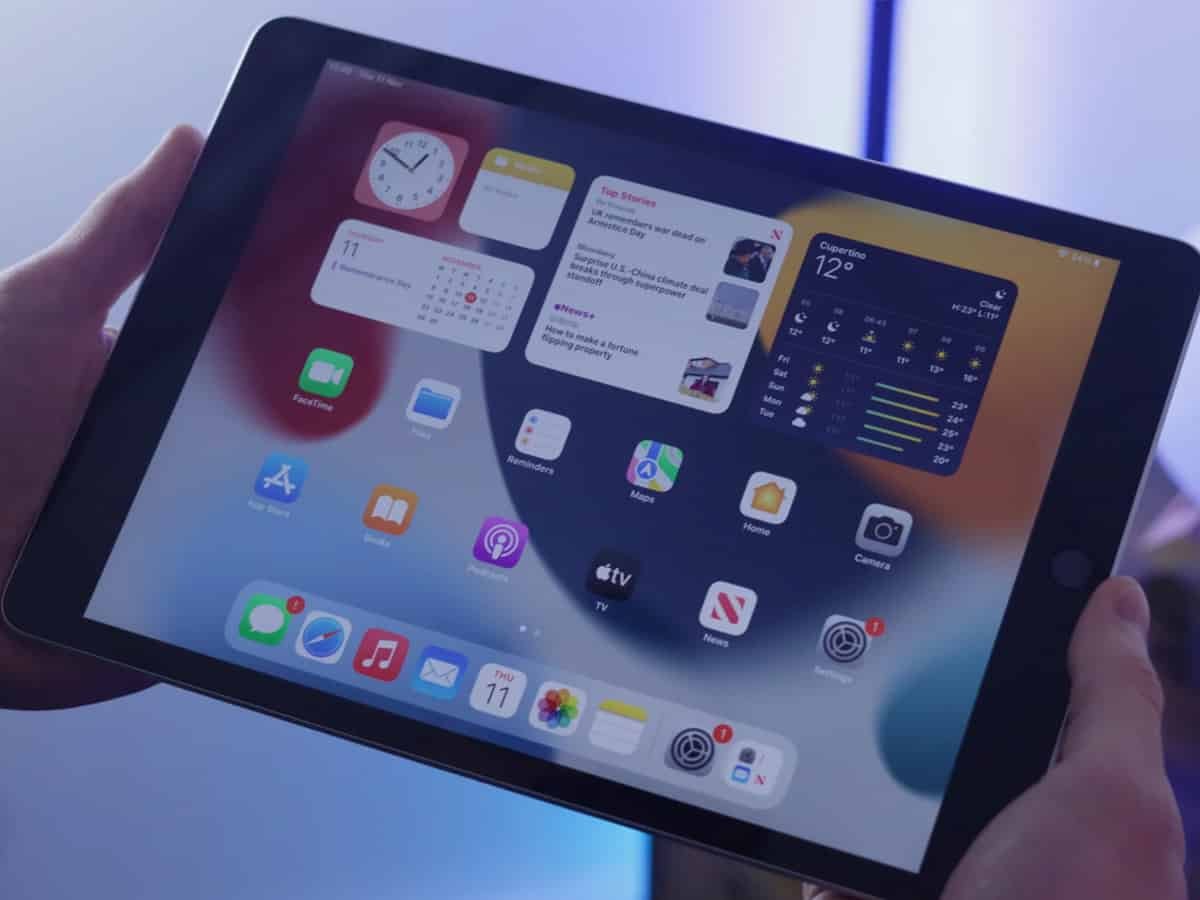
    New Delhi: The Indian tablet market saw strong growth in 2024, with total shipments reaching 5.73 million units, a 42.8 per cent year-on-year (YoY) increase, a report said on Wednesday.

    Hyderabad Institute of Excellence

    According to data from the IDC’s ‘Worldwide Quarterly Personal Computing Device Tracker’, both detachable and slate tablets contributed to this rise, growing by 30 per cent and 47.2 per cent YoY, respectively.

    The consumer segment remained strong, registering a 19.2 per cent YoY growth — driven by attractive online promotions, discounts, and cashback offers.

    MS Creative SchoolMS Creative School

    Despite more than 60 per cent of shipments continued to be entry-level tablets, the ASP (average selling price) increased from $309 in FY2023 to $336 in FY2024 in the consumer segment.

    The commercial segment performed even better, surging by 69.7 per cent YoY, largely due to a massive 104.5 per cent YoY increase in tablet demand for educational institutions, the report noted.

    Government-funded education projects fuelled this growth, despite a 9.9 per cent YoY decline in the very large business (VLB) segment.

    “With Android tablets getting better cameras, software updates, and app integration, tablets are becoming the device of choice for light productivity and entertainment and attracting a certain section of PC buyers,” said Priyansh Tiwari, research analyst, IDC India and South Asia.

    Samsung dominated the Indian tablet market in 2024, capturing a 42.6 per cent overall share, the report said. The company led in both the commercial and consumer segments, with 51.1 per cent and 32.1 per cent shares, respectively.

    Acer Group secured the second position in the market with an 18.7 per cent share in 2024.

    Apple ranked third with an 11 per cent market share. The brand witnessed notable growth in both the commercial and consumer segments, increasing by 45.3 per cent and 4.7 per cent YoY, respectively.

    Lenovo and Xiaomi tied for the fourth position with a 9 per cent market share each. Lenovo saw an 18.6 per cent YoY increase in the consumer segment, said the report.

    Xiaomi’s tablet shipments surged by 101.7 per cent YoY, making it one of the fastest-growing brands in 2024. Its focus on both online and offline sales channels, along with new product launches, helped boost its market share.


  • Real estate potential of South Delhi reaches Rs 5.65 lakh crore: Report

    Real estate potential of South Delhi reaches Rs 5.65 lakh crore: Report

    New Delhi: The real estate potential of South Delhi, one of the poshest regions in the country, is worth Rs 5.65 lakh crore now — thus becoming an ideal location for homes that offer exclusive and luxurious living experiences, a report showed on Wednesday.

    Hyderabad Institute of Excellence

    The real estate potential of 13 category-A colonies in South Delhi is worth Rs 2.14 lakh crore, accounting for nearly 40 per cent share, according to the report by Golden Growth Fund (GGF), a category-II real estate focused Alternative Investment Fund.

    The real estate potential of 27 Category-B colonies is worth Rs 3.21 lakh crore, accounting for nearly 60 per cent share.

    MS Creative SchoolMS Creative School

    The average price of plots in Category A colonies ranges from Rs 7-15 lakh per square yard, while that of Category B colonies ranges from Rs 6-12 lakh per square yard.

    According to the report, around 18,446 plots are available across the 42 Cat A, B and C colonies in South Delhi, whose size ranges from 125 sq. yd. to 1750 sq. yd. at an average price of Rs 6- 15 lakh per sq. yd.

    The Municipal Corporation of Delhi (MCD) has divided all colonies of Delhi under eight categories – A, B, C, D, E, F, G and H.

    Category A and B being the most exclusive locations, which are located in South Delhi. Circle rates, property tax rates and stamp duty charges for property registration are based on these categories.

    In the 13 Category A colonies, around 3,704 plots are available whose size ranges from 200 sq. yd. to 1,200 sq. yd. at an average price of Rs 7 lakh per sq. yd. to Rs 15 lakh per sq. yd.

    In the 27 Category B colonies, around 12,720 plots are available whose size ranges from 125 sq. yd. to 1,750 sq. yd. at an average price of Rs 6 lakh per sq. yd. to Rs 12 lakh per sq. yd, the report mentioned.

    According to Ankur Jalan, CEO, Golden Growth Fund, South Delhi is predominantly inhabited by the wealthy class comprising businessmen, lawyers and salaried professionals with taste for luxurious floors and villas.

    HNIs, NRIs and family offices, who earlier invested in local properties without the cushion of compliance and safety, are making investments in alternative investment funds (AIFs) that invest in these colonies.

    The recent data from SEBI indicates that the real estate sector attracted Rs 75,500 crore investment from AIFs, the highest among all sectors, accounting for 17 per cent share.

    “With returns as high as 18-20 per cent without having to worry about the safety of investment and property upkeep and maintenance, AIFs have opened a new avenue for these investors,” Jalan added.

  • Indian space economy expected to jump to $44 bn in few years: Jitendra Singh

    Indian space economy expected to jump to $44 bn in few years: Jitendra Singh

    New Delhi: India’s space economy is expected to increase five-fold from $8 billion to $44 billion in the next few years, said Dr. Jitendra Singh, Union Minister of State (Independent Charge) for Science and Technology.

    Hyderabad Institute of Excellence

    He noted that this growth will make a value addition to the Indian economy and move towards Viksit Bharat in 2047. Addressing an event in New Delhi, the Minister said that the increased space budget is a key factor driving progress in the Indian space sector.

    “Under the leadership of Prime Minister Narendra Modi, the space budget has almost tripled — from Rs 5,615 crore in 2013-14 to Rs 13,416 crore in 2025-2026, reflecting the government’s commitment to fostering growth in the space sector,” Singh said.

    MS Creative SchoolMS Creative School

    Noting that 2014 was a pivotal turning point for India’s space journey, Singh said that PM Modi’s “out-of-box decision to unlock India’s Space sector, marking a proactive shift in government policies”.

    This includes opening up the space sector for private sector participation and bringing in Foreign Direct Investment (FDI). The strategic approach is creating synergy between the government and non-government sectors through frameworks such as the NewSpace India Limited (NSIL) and In-SPACe, boosting innovation and opportunities across the space industry, the MoS said.

    He added that first-generation space startups have become successful enterprises. Singh also spoke about the historic milestones of the Indian Space Research Organization (ISRO), such as becoming the first nation to successfully reach the South Pole of the Moon.

    He noted that although ISRO’s journey began when other nations had already sent humans to the moon, India is now leading the way in space exploration with cost-effective and indigenous technologies.

    Citing the Chandrayaan mission, which was executed at just Rs 600 crore — half the cost of similar missions by other countries – Singh emphasised India’s rise as a global leader in space, science, and technology.

    Singh also discussed ISRO’s role in improving communication and connectivity, reinforcing India’s self-reliance in space and satellite technology.

    “India’s space sector will not only follow the global path but will also carve out its own leadership role on the world stage, marking a new era in space exploration,” Singh said.

  • Govt keen to promote shipbuilding in India: Piyush Goyal

    Govt keen to promote shipbuilding in India: Piyush Goyal

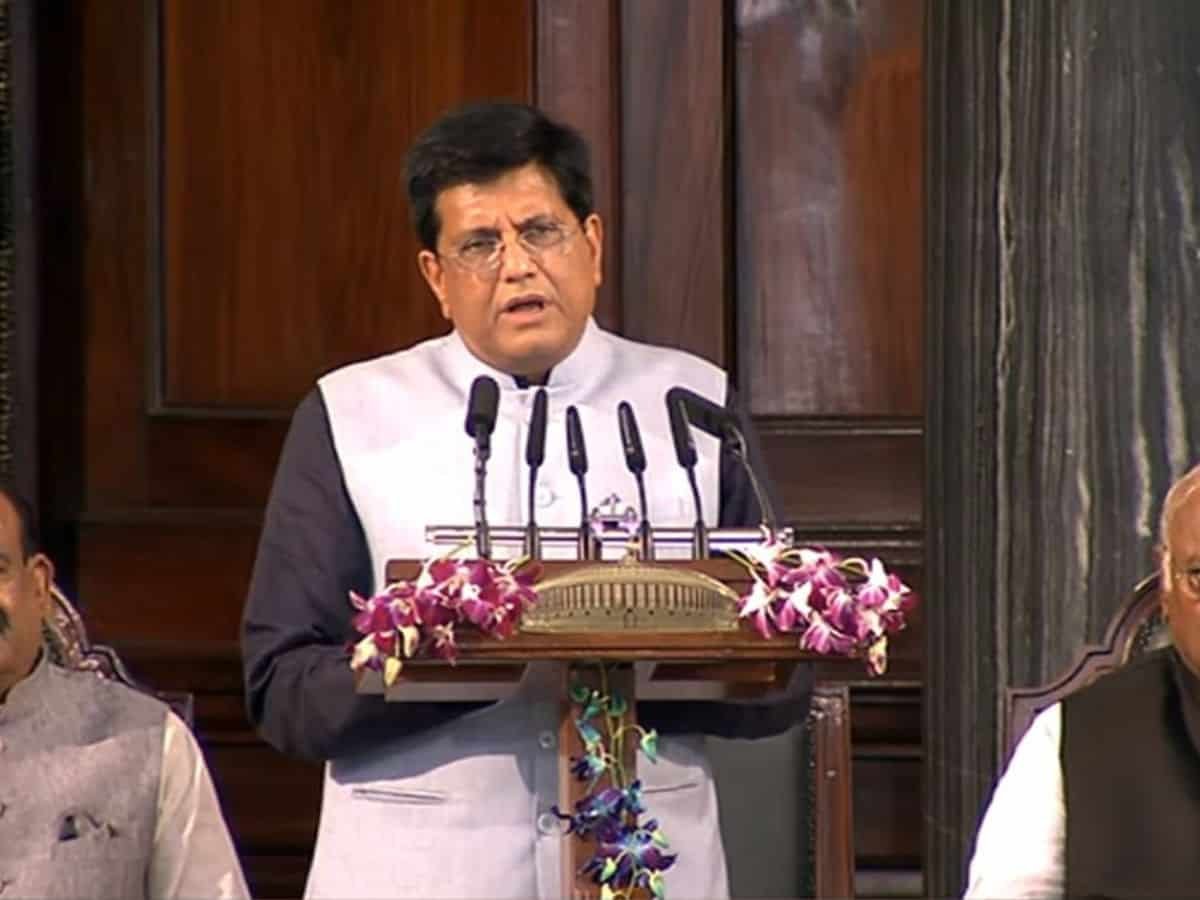
    New Delhi: India offers a huge opportunity for the shipbuilding industry and the Government is looking at ways to promote the sector, Union Minister of Commerce and Industry Piyush Goyal said.

    Hyderabad Institute of Excellence

    “India has the advantage to allow cabotage of vessels and promote imports coming in Indian flagged vessels permitted within the WTO rules, but does not have enough flagged vessels to take advantage of the regulations,” he said during his virtual address at the 12th Biennial International Conference on Ports, Shipping & Logistics 2025 in Mumbai.

    He urged the industry to suggest ways to make flagging of vessels in India more attractive.

    MS Creative SchoolMS Creative School

    The Minister urged the participants to suggest ways at the State and Central levels to help companies bring flagged vessels to India.

    Union Minister Goyal further stated that India has doubled its port capacity in the last decade and has significantly brought down the turnaround time of ships. However, more work needs to be done to strengthen the logistics ecosystem.

    The Minister further called for a hybrid mode of training to meet the growing demand for seafarers in the sector. Container ownership, container manufacturing, faster speed of exports, and ease of congestion are the areas in which the sector needs improvement, he stressed.

    He pointed out that 95 per cent of India’s trade volume goes through ports and the 7,500 km coastline acts as a major enabler for trade and there is immense potential for the sector to grow over the next few years.

    He also stressed the need for the logistics system to be more conducive to handling the current traffic at ports.

    “Unified Logistics Interface Platform (ULIP) has been introduced to aid logistics, but more ideas are needed to provide the whole ecosystem-linked logistics at ports,” he said.

    Ports, shipping and the logistics sector are the lifelines that nourish the country’s economy. Trade like rivers flows freely and the shipping sector connects opportunities around the world with India.

    India stands out as an oasis amidst the global trade turmoil, the Minister noted, hoping the country would continue to grow and contribute towards the greater good of the world.

    He pointed out the maritime trade and logistics sector was the backbone of a Viksit Bharat, he added.

  • Donald Trump orders investigation into possible tariffs on copper

    Donald Trump orders investigation into possible tariffs on copper

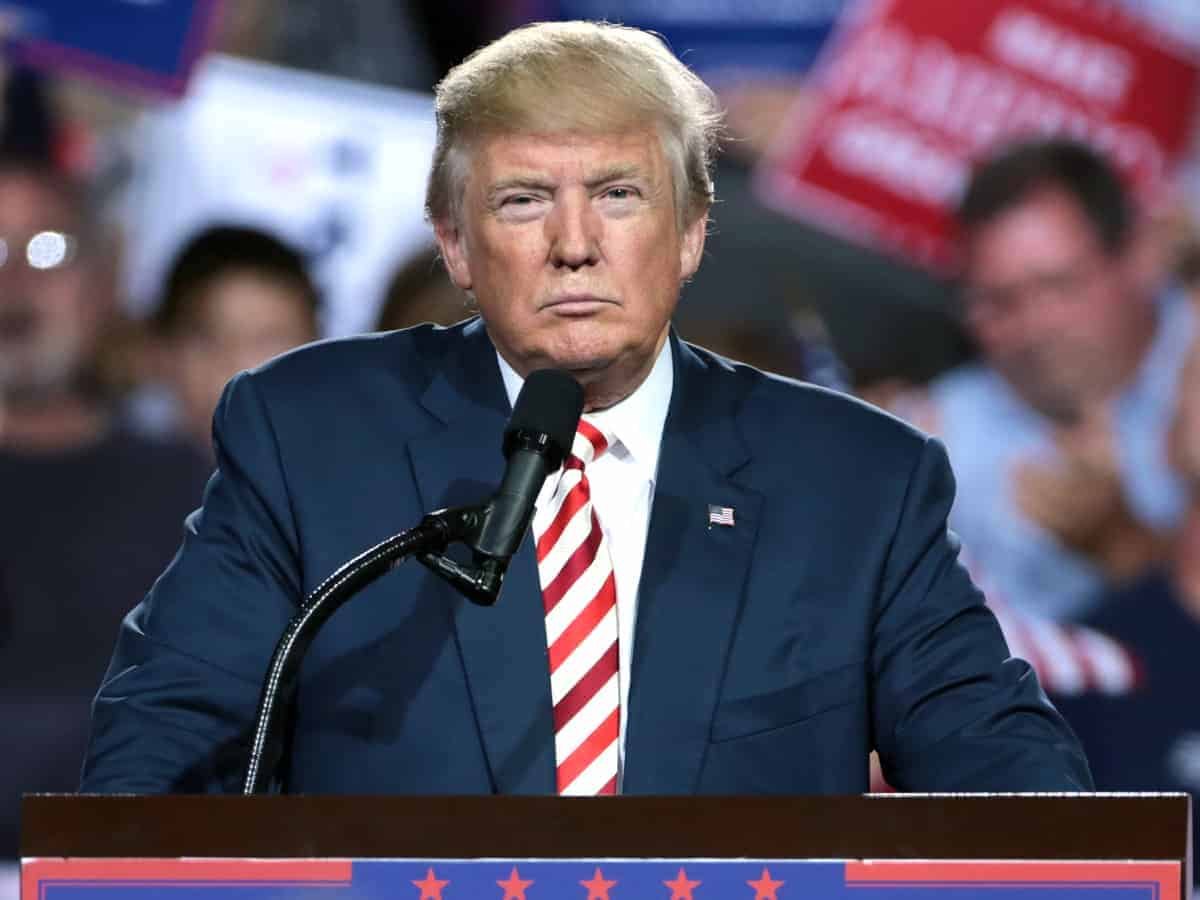
    Washington: US President Donald Trump has signed an executive order to investigate how copper imports threaten America’s national security and economic stability, in a move that could lead to the imposition of new tariffs on the metal used to produce aircraft, vehicles, ships and other military hardware.

    Hyderabad Institute of Excellence

    Trump directed Commerce Secretary Howard Lutnick to conduct the investigation under Section 232 of the Trade Expansion Act of 1962, which allows the president to impose import restrictions if an import threatens to undermine the United States‘ national security.

    The move came as he is using tariffs to boost the U.S.’ manufacturing sector, reduce America’s trade deficits and achieve other policy goals, reports Yonhap news agency.

    MS Creative SchoolMS Creative School

    “This investigation will assess the national security risks arising from the United States’ increasing dependence on imported copper, in all its forms, and the potential need for trade remedies to safeguard domestic industry,” the White House said in a fact sheet.

    “The investigation will culminate in a report identifying vulnerabilities in the copper supply chain and providing recommendations to enhance the resilience of America’s domestic copper industry,” it added.

    In a social media post, Trump said like America’s steel and aluminum industries, its copper industry has been “decimated by global actors attacking our domestic production.”

    “To build back our Copper Industry, I have requested my Secretary of Commerce and USTR to study Copper Imports, and end Unfair Trade putting Americans out of work. Tariffs will help build back our American Copper Industry, and strengthen our National Defence,” he wrote on Truth Social. USTR is short for the U.S. Trade Representative.

    “American Industries depend on Copper, and it should be MADE IN AMERICA — No exemptions, no exceptions! America First creates American jobs, and protects our National Security. It’s time for Copper to ‘come home.’”

    By law, the commerce secretary has 270 days to present his department’s findings and recommendations regarding the copper issue to the president. Within 90 days after getting a report from the secretary, the president is to determine whether he concurs with the department’s findings and make a decision.

    A White House official, however, anticipated the investigation process will proceed quickly “in Trump time.”

    Trump has already announced a plan to start imposing 25 per cent tariffs on all steel and aluminum imports, while his administration is moving to impose “reciprocal” tariffs on U.S. imports to match duties that other countries slap on U.S. exports. He is also weighing imposing possible tariffs on cars, chips and pharmaceuticals.

  • Bitcoin slides under USD 90,000, erasing some of gains made under Trump

    Bitcoin slides under USD 90,000, erasing some of gains made under Trump

    Washington: The price of bitcoin fell below $90,000 and other cryptocurrencies saw large drops Tuesday morning, erasing some of the gains digital assets have made since President Donald Trump took office on a pro-crypto agenda.

    Hyderabad Institute of Excellence

    Bitcoin, the world’s most popular cryptocurrency, was trading at about $89,000 as the US stock market opened. That’s down from about $106,000, which was the price around Trump’s inauguration. The decline in bitcoin and other crypto assets accelerated after a report showed a bigger-than-expected drop in consumer confidence for this month.

    Cryptocurrency is highly volatile, and prices can change rapidly. Even with Tuesday’s drop, bitcoin is still up significantly since Trump won last year’s election. Supporters said the price drops represent a good investment opportunity.

    MS Creative SchoolMS Creative School

    “Buy the dips!!!” Eric Trump, the president’s son, said on the social media platform X. He replaced the letter B with the symbol for bitcoin.

    It’s been a mixed bag for the cryptocurrency industry in recent weeks. The president and pro-crypto members of Congress have promised to usher in a golden age for the industry and pledged quick action to craft friendly regulations. And in recent weeks, regulators at the Securities and Exchange Commission have signaled plans to drop enforcement actions against key industry players, like Coinbase and Robinhood.

    But a large hack of a major cryptocurrency exchange — one of the biggest thefts of all time — and a major scandal involving the president of Argentina and a meme coin have highlighted some of the vulnerabilities in a relatively still nascent industry.

    Last week the Dubai-based cryptocurrency exchange Bybit announced it was a victim of a sophisticated hack that stole about $1.5 billion worth of digital currency. A number of security researchers believe North Korea, which authorities have blamed for several other major crypto hacks, was behind the theft.

    Argentine President Javier Milei is facing a corruption probe into his promotion of a meme coin, called LIBRA, whose price soared then quickly crashed after Milei posted about it on X. Milei has distanced himself from the meme coin and denied any wrongdoing.

    Meme coins are a highly speculative form of cryptocurrency that are mostly minted as jokes and have no intrinsic value but can sometimes soar in price.

    One of the crypto developers involved in the LIBRA coin said meme coins are essentially a rigged game that benefits a small group of people at the expense of retail investors in a recent interview with an independent journalist.

    That developer, Hayden Davis, also revealed he was involved in the launch of First Lady Melania Trump’s meme coin just before her husband took office. The Melania meme coin was trading at about 90 cents on Tuesday, down from more than $13 when it first launched. The president also helped launch a meme coin just before he took office that’s seen a similar price trajectory.

    Solana, a major cryptocurrency that’s a key player in the meme coin ecosystem, has seen its price roughly cut in half since Trump’s inauguration.

  • Adani Green Energy arm bags 1250 MW pumped hydro storage capacity from UPPCL

    Adani Green Energy arm bags 1250 MW pumped hydro storage capacity from UPPCL

    New Delhi: Adani Green Energy on Tuesday said its arm Adani Saur Urja has bagged an order from Uttar Pradesh Power Corporation (UPPCL) for procurement of 1,250 MW energy storage capacity from pumped hydro storage (PSP) projects.

    Hyderabad Institute of Excellence

    Adani Saur Urja, a wholly-owned subsidiary of the company, has received a Letter of Award (LOA) from UPPCL in this regard.

    The capacity is secured through the e-Reverse Auction conducted by UPPCL, a regulatory filing said.

    MS Creative SchoolMS Creative School

    According to the statement, the Annual Fixed Cost payable under the LOA stood at Rs 76,53,226 per MW per annum (taxes extra) for the entire period of 40 years from the commercial operation date.

    A company statement said that the project, Panaura PSP, has a minimum commitment for 40 years.

    It will be located in the Sonbhadra district, Uttar Pradesh and is expected to be completed within the next six years.

    India’s clean energy goal necessitates the development of large utility-scale storage projects to integrate renewables into the grid and provide round-the-clock renewable energy, it stated.

    Aligned to the endeavor, Adani Green Energy has diversified its portfolio to include energy storage solutions in addition to its existing solar, wind and hybrid projects, it stated.

    Adani Green has firm plans to add over 5 GW hydro PSP capacity by 2030.

    The company has already commenced the construction of its hydro pumped storage projects of 500 MW at Chitravathi river, in Andhra Pradesh, 1500 MW at Tarali in Maharashtra and 1800 MW at Gandikota in Andhra Pradesh.

    As one of the most cost-competitive, mature and scalable technologies, hydro PSP holds significant potential.

    Hydro PSPs use electrons generated from solar in the day to pump water and meet peak time energy demand at night through sustainable sources.

    Apart from being time-tested and domestically available, PSPs are also the cleanest and safest technology to store energy.

    They offer numerous benefits such as grid stability, peak shaving, and flexibility in energy management.

    Additionally, hydro PSPs provide frequency regulation and reserve generation, making them a critical part of a robust and resilient energy infrastructure.

    AGEL currently has an operating renewable portfolio of 11.9 GW, the largest in India, spread across 12 states. The company has set a target of achieving 50 GW by 2030 aligned to India’s decarbonization goals.

  • Indian markets to stabilise towards Q4 2025 end, FPI flows to turn positive: Report

    Indian markets to stabilise towards Q4 2025 end, FPI flows to turn positive: Report

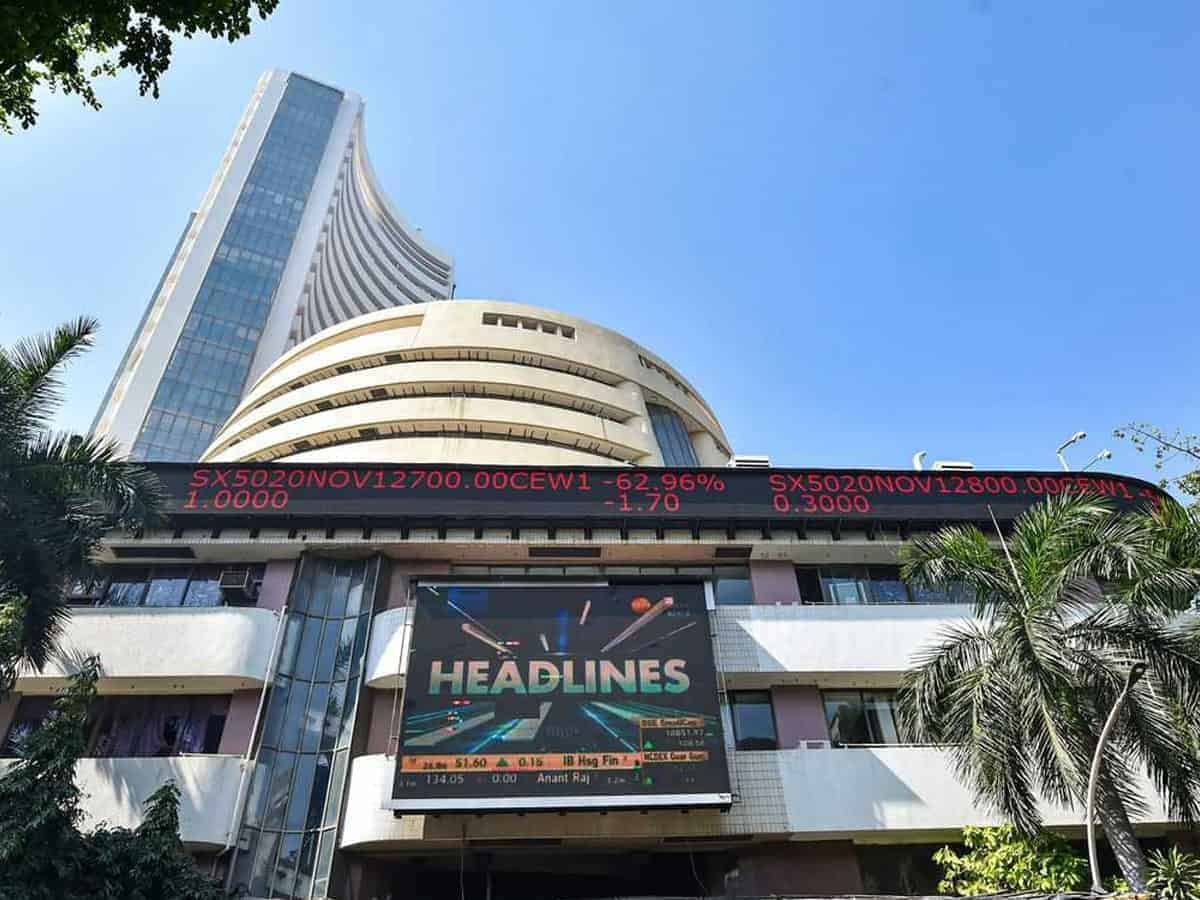
    Mumbai: The Indian stock markets are likely to remain volatile in the near term but stabilise towards the end of Q4 of the calendar year 2025, as domestic consumption is on the cusp and normal monsoons can provide a big boost, a report said on Tuesday.

    Hyderabad Institute of Excellence

    The impact of various government initiatives and normal monsoons will likely start reflecting in improved consumer demand in Q2 2026, according to the ‘India Strategy Report’ by PL Capital-Prabhudas Lilladher.

    “The biggest concern of the market – the FPI flows – may turn positive on the back of higher capex, tax cuts and consumer demand revival. Lastly, the Nifty’s 12-month target is seen at 25,689,” the report mentioned.

    MS Creative SchoolMS Creative School

    Food inflation has peaked (declined from 10.9 per cent in October 2024 to 6 per cent currently) and a 25 bps cut in repo rate by the RBI and open market operations (OMO) will ease liquidity in the next 3-6 months.

    Other positive factors are a Rs 1 lakh crore income tax cut for the consuming class in India, an increase in religious tourism, and a 17 per cent higher government capex allocation (including PSU and allocation to states).

    In its model portfolio, PL Capital is turning overweight on consumers due to an expected uptick in demand following tax cuts, a decline in food inflation, and a cut in repo rate, and has increased weight in banks and healthcare.

    Although uncertainty with regard to global markets is sustained, PL Capital believes the growth outlook in India looks far better in FY26 than in FY25.

    “As the impact of the budget starts getting reflected in higher capex on a low base and tax cuts and monsoons revive consumer demand, we should see FPI flows turning positive,” the report mentioned.

    India is also unlikely to experience any meaningful negative effects from US policies, as soft crude oil prices, geopolitical stability (If the Russia-Ukraine war stops), and increased technology transfer to India will neutralise the costs of Trump’s tariffs.

    “India’s ability to navigate tariff negotiations, leverage its geopolitical positioning, and realign supply chains ensures that this phase is a momentary recalibration, not a retreat,” according to the report.

  • Govt forms committee to review US reciprocal tariffs, report by March 15

    Govt forms committee to review US reciprocal tariffs, report by March 15

    New Delhi: As the US plans to impose reciprocal tariffs across trading countries by April 2, the Indian government has formed a high-level committee which is tasked to review tariff relief on imports from the US.

    Hyderabad Institute of Excellence

    The panel, formed under the Union Commerce Ministry, is likely to submit its report by March 15. The report would be submitted to both the Ministry of Commerce and the Ministry of Finance.

    According to people close to the matter, the government review is looking at tariffs that currently range between 15–20 percent, 50–70 percent, and 70–80 percent, and whether rate adjustment could be made in “8-digit code identifying a specific product for custom purposes”.

    MS Creative SchoolMS Creative School

    The committee is assessing the scope of possible tariff reductions and is tasked to recommend the best course of action. The mandate is to closely examine imported goods and propose tariff adjustments.

    Once the recommendations are submitted, the final decision on the tariff relief will need to be vetted by the Prime Minister’s Office before being implemented, according to reports.

    India has already been “extremely responsive” in addressing the perception that it imposes high tariffs on foreign goods. The review panel’s work will be crucial in determining India’s response to the US’s proposed tariffs.

    In the Union Budget 2025-26, India cut duties on bourbon whisky from 150 percent to 100 percent and reduced tariffs on imports like fish hydrolysate, scrap materials, satellite equipment, ethernet switches, and high-end motorcycles.

    Meanwhile, India is unlikely to experience any major short-term consequences due to the US tariff on semiconductors, as it is not a major exporter of chips to the nation.

    Domestic automotive manufacturers are also not likely to face any major impact due to US reciprocal tariffs as these companies sell their products largely in the fast-growing Indian market. Also, the US tariffs on the steel sector are unlikely to impact India because only 2 percent of the country’s total finished steel exports in the first nine months of this fiscal were to the US, according to a Crisil Intelligence report.

  • India’s private sector companies post higher profits, lower debt: RBI

    India’s private sector companies post higher profits, lower debt: RBI

    New Delhi: The operating profit margin as well as net profit margin of private sector corporates in India improved across major sectors during 2023-24 while their debt burden declined during the year, reflecting the growing financial strength, according to the latest data compiled by the RBI.

    Hyderabad Institute of Excellence

    “The operating profits rose by 15.3 percent during 2023-24 from 4.2 percent growth during the previous year, at aggregate level. The operating profit growth of the manufacturing and services sector stood at 13.2 percent and 15.5 percent respectively, during 2023-24, from (-) 3.9 percent and 16.8 percent growth in 2022-23,” according to the RBI report.

    The profit after tax increased by 16.3 percent during 2023-24; services sector companies recorded much higher post-tax profit growth of 38.1 percent when compared to that in the manufacturing sector’s 7.6 percent.

    MS Creative SchoolMS Creative School

    Reserve Bank released the data relating to the financial performance of non-government non-financial (NGNF) public limited companies during 2023-24 based on audited annual accounts of 6,955 companies.

    The leverage of these companies, as measured by the debt-to-equity ratio, continued to moderate during 2023-24, according to the report.

    The interest coverage ratio (ICR) improved to 4.1 during 2023-24 as growth in gross profit outpaced the growth in interest expenses; ICR of manufacturing companies remained stable at 6.3, while it improved marginally to 3.2 for services companies, the RBI said.

    The share of internal sources accounted for over two-thirds of the total funds of the sample set of public limited companies during 2023-24, mainly due to a rise in reserves and surplus, the report further stated.

    The gross fixed assets of these public limited companies increased by 10 per cent during 2023-24; manufacturing companies, chemicals, pharmaceuticals, electrical equipment, motor vehicles and other transport vehicles sectors recorded higher growth in fixed assets, according to the RBI.

    The report further highlighted that the operating profit growth of private limited companies, which are not listed on the stock exchanges, also accelerated during 2023-24, at the aggregate level as well as for the manufacturing and services sectors. Consequently, profit margins, as measured by ratios of operating profit and profit after tax to sales improved during 2023-24.

    At the aggregate level, leverage (in terms of debt-to-equity ratio) of the sample of these companies stood close to its level a year ago at 45.2 per cent in March 2024; electricity gas steam and air conditioning supply and construction including civil engineering continued to remain highly leveraged, though some moderation was seen during 2023-24, the report pointed out.

    At the aggregate level, the ICR improved to 3.1 during 2023-24 from 2.7 in the previous year; the ICR of manufacturing and services sectors also improved and stood at 8.3 and 2.7, respectively, it added.