Category: BUSINESS

  • India’s trade flourished in Q4 2024, defied global risks: UN Report

    New Delhi: India’s trade saw strong growth in the last quarter of 2024, according to a new report by the United Nations Conference on Trade and Development (UNCTAD).

    Hyderabad Institute of Excellence

    The report highlights that while global trade expanded significantly in 2024, many developed nations faced trade contractions.

    However, India performed better than average, with both imports and exports increasing.

    MS Creative SchoolMS Creative School

    The report states that global trade grew by nearly $1.2 trillion in 2024, reaching $33 trillion. This was driven by a 9 per cent rise in services trade and a 2 per cent increase in goods trade.

    India’s trade momentum remained strong in the fourth quarter of 2024, with merchandise and services trade showing positive growth.

    The country recorded an 8 per cent quarterly growth in imports of goods in the last quarter of 2024 compared to the previous quarter.

    On an annual basis, goods imports rose by 6 per cent. The country’s exports of goods also grew by 7 per cent quarterly, while annual exports increased by 2 per cent.

    Services trade remained a key area of growth for India. In the fourth quarter of 2024, the country saw a 7 per cent quarterly growth in services imports and a 10 per cent rise annually.

    Services exports also increased by 3 per cent quarterly and 10 per cent on an annual basis. This growth reflects India’s strong performance in sectors like IT and business services.

    However, the report warns that the global economy may slow down in the coming months. In early 2025, there has been a decline in demand for container shipping, indicating weaker global trade.

    The Shanghai Containerized Freight Index, which tracks shipping costs, has fallen, suggesting reduced demand for goods worldwide.

    Additionally, the Baltic Dry Index, which measures the shipping rates for raw materials like coal and iron ore, remains lower than 2024 levels.

    The report also highlights growing trade imbalances. The United States trade deficit has widened, while some countries have seen a rise in trade surpluses.

    Concerns over geopolitical tensions and changing trade policies may create further disruptions in 2025. Protectionist policies, including new tariffs on certain products, could affect international trade patterns.

    Despite these challenges, there are some positive factors. The expected easing of global inflation and India’s steady economic performance may support trade growth.

    The report suggests that balanced policy decisions and international cooperation will be crucial to maintaining trade stability.

  • Ignore speculation, bank remains strong, RBI assures IndusInd Bank depositors

    Ignore speculation, bank remains strong, RBI assures IndusInd Bank depositors

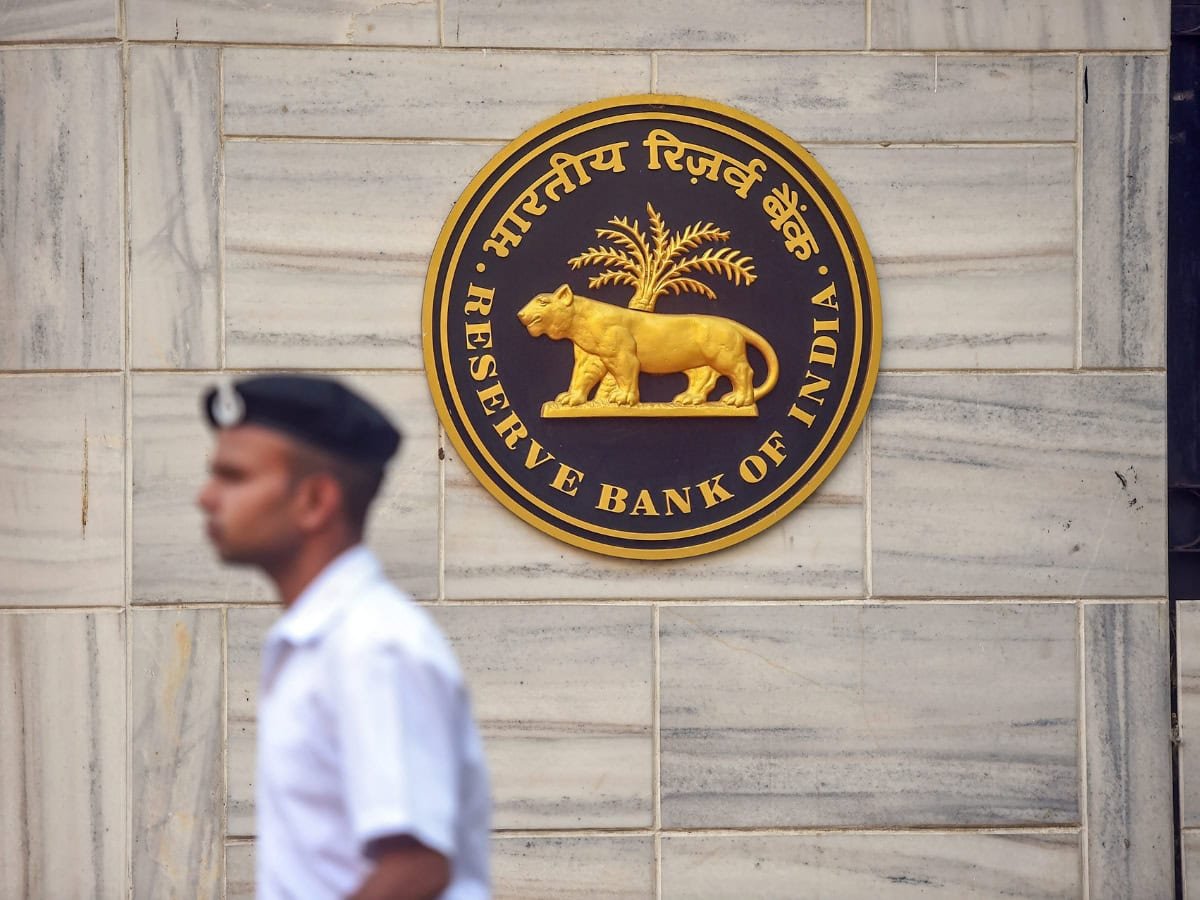
    Mumbai: The Reserve Bank of India (RBI) assured IndusInd Bank depositors of its financial stability following recent speculation about its financial health.

    Hyderabad Institute of Excellence

    The central bank confirmed that the bank remains well-capitalised and there is no cause for concern among depositors.

    “…there is no need for depositors to react to the speculative reports at this juncture,” the central bank said in a statement on its website.

    MS Creative SchoolMS Creative School

    It further added that the bank’s financial health remains stable and is being monitored closely by the Reserve Bank.

    According to the RBI, IndusInd Bank reported a Capital Adequacy Ratio (CAR) of 16.46 per cent and a Provision Coverage Ratio (PAR) of 70.20 per cent for the quarter ending December 31, 2024.

    The bank also maintained a Liquidity Coverage Ratio (LCR) of 113 per cent as of March 9, 2025, which is well above the regulatory requirement of 100 per cent.

    These figures indicate that the bank has sufficient financial strength to meet its obligations, the central bank said in a statement.

    The RBI further noted that IndusInd Bank has engaged an external audit team to review its systems and assess the impact of recent developments.

    The bank’s Board and management have been directed to complete all necessary remedial actions within the current quarter (Q4 FY25) and ensure proper disclosures to stakeholders.

    In its statement, the RBI emphasised that depositors should not react to speculative reports, as the bank’s financial position remains sound and is under its close monitoring.

    The central bank also highlighted its strong track record in protecting depositors during financial uncertainties.

    In the past, the RBI has stepped in to safeguard depositors’ interests in cases like with the Yes Bank in 2020, the RBL Bank in 2021, and even historical crises such as the Global Trust Bank collapse in 2004 and ICICI Bank’s liquidity concerns post-Lehman crisis in 2008.

    The current situation at IndusInd Bank is not a crisis but a one-time accounting discrepancy. Earlier this week, the bank disclosed that it had identified discrepancies in its derivatives portfolio, which could have an impact of about 2.35 per cent of its net worth as of December 2024.

    However, the bank is taking corrective measures to address the issue, according to its official statement.

  • Silver ETFs’ AUM surges over Rs 13,500 crore in just 3 years: Report

    Silver ETFs’ AUM surges over Rs 13,500 crore in just 3 years: Report

    Mumbai: Silver Exchange-Traded Funds (ETFs) have gained massive investor interest over the past three years, with their assets under management (AUM) crossing Rs 13,500 crore as of January 2025, according to a report on Saturday.

    Hyderabad Institute of Excellence

    Currently, there are 12 Silver ETFs in the Indian market, with more than six lakh investor folios, the data compiled by Zerodha Fund House showed.

    The ETFs of the precious metal have witnessed significant growth in India since the Securities and Exchange Board of India (SEBI) allowed asset management companies to launch them in November 2021.

    MS Creative SchoolMS Creative School

    “The increasing transaction volumes of silver ETFs are a clear indication of growing investor interest,” Zerodha Fund House CBO Vaibhav Jalan said.

    He added that these ETFs offer an alternative to physical silver ownership, addressing concerns about storage, security, and insurance while providing access to silver’s price movements.

    This surge in interest reflects the growing demand for silver as an investment option. Investors are increasingly looking for ways to diversify their portfolios, and Silver ETFs offer a convenient and hassle-free way to gain exposure to this precious metal.

    The demand for silver has consistently outpaced its supply since 2021. This versatile metal is not only a valuable commodity but also plays a crucial role in various industries.

    It is widely used in solar energy, automotive manufacturing, digital photography, and jewellery.

    Additionally, silver’s excellent thermal properties and resistance to corrosion make it a preferred material in industrial manufacturing and fabrication.

    According to estimates by The Silver Institute, the global industrial demand for silver has risen by more than 55 per cent.

    This growth is driven by its increasing applications in sectors such as automotive, technology, pharmaceuticals, and solar energy.

    As industries continue to rely on silver, its investment appeal has also strengthened, the report said.

    “Silver has the potential to play a role in both investment portfolios and modern industries,” Zerodha Fund House CEO Vishal Jain said.

    He added that the silver ETFs are a valuable tool to diversify one’s portfolios and capitalise on the metal’s unique characteristics.

  • Seoul shares finish lower amid Trump’s tariff determination

    Seoul shares finish lower amid Trump’s tariff determination

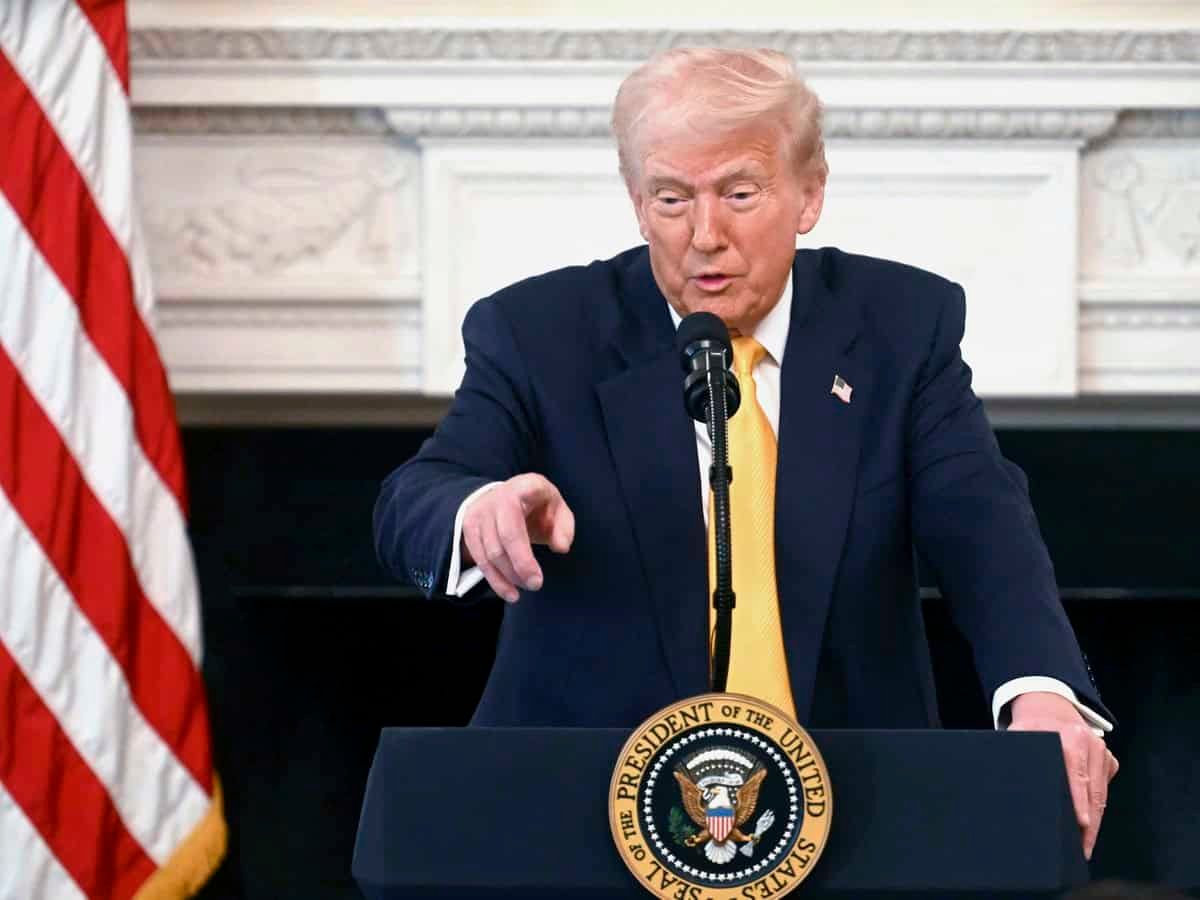
    Seoul: South Korean stocks ended lower for the second consecutive session in Friday amid US President Donald Trump’s determination to push forward with his controversial tariff policies. The local currency stayed unchanged against the greenback from the previous session.

    Hyderabad Institute of Excellence

    The benchmark Korea Composite Stock Price Index (KOSPI) fell 7.28 points, or 0.28 percent, to close at 2,566.36.

    Trade volume was moderate at 357.3 million shares worth 9.8 trillion won ($6.74 billion). Winners, however, outpaced losers 508 to 356, reports Yonhap news agency.

    MS Creative SchoolMS Creative School

    Foreign investors and institutions together sold a net 310.7 billion won, while retail investors bought a net 209.4 billion won.

    Overnight, Wall Street lost ground after Trump stressed his commitment to tariffs on steel, aluminum and cars, as claims of policy inconsistency lingered due to his administration’s recent adjustments to the imposition of levies on Canadian and Mexican goods.

    The S&P 500 shed 1.39 percent, and the tech-heavy Nasdaq plummeted 1.96 percent. The Dow Jones Industrial Average slipped 1.3 percent.

    Market watchers predict that as the Constitutional Court’s ruling on President Yoon Suk Yeol’s impeachment trial approaches, the domestic stock market could experience choppy trading near the 2,600 level next week.

    “The local stock market has remained relatively strong when compared to volatility in the U.S., but investors should be cautious about the potential escalation of political risks,” Kim Ji-won, an analyst at KB Securities, said.

    In Seoul, battery manufacturers and bio shares lost ground. LG Energy Solution slid 4.11 percent to 326,500 won, and Samsung Biologics shed 0.19 percent to 1,051,000 won.

    Energy-related shares also retreated, with leading refiner SK Innovation plunging 5.17 percent to 132,000 won, and LG Chem down 4.74 percent 231,000 won.

    Steel and automotive shares, sectors exposed to U.S. tariff risks, lost ground as well. Top steelmaker POSCO Holdings fell 2.56 percent to 304,500 won and leading automaker Hyundai Motor slipped 1.24 percent to 198,500 won.

    Chipmakers, however, prevented the market from incurring further losses. SK hynix gained 2.4 percent to 204,500 won, while Samsung Electronics remains unchanged at 54,700 won.

    The local currency was trading at 1,453.8 won against the U.S. dollar at 3:30 p.m., unchanged from the previous session.

    Bond prices, which move inversely to yields, fell. The yield on three-year Treasurys rose 2.6 basis points to 2.596 percent, and the return on the benchmark five-year government bonds added 1.5 basis points to end at 2.640 percent.

  • India to cross USD 800 billion in exports: Piyush Goyal

    India to cross USD 800 billion in exports: Piyush Goyal

    New Delhi: India is on the path to cross $800 billion in exports this year with the major share of Services exports, Union Minister of Commerce and Industry, Piyush Goyal, has reiterated.

    Hyderabad Institute of Excellence

    Reflecting on the changing global scenario, the minister has assured that the government is working on overtime basis and will leave no stone unturned to ensure a good future for Indian exporters, both merchandise and service and to protect the interest of the country.

    During his address to the Export Promotion Councils (EPCs) and industry associations, the minister complimented the positivity among the exporter community and their optimism to convert this crisis, that the world is facing today, into an opportunity.

    MS Creative SchoolMS Creative School

    Allaying the concerns of the industry with regard to the US, the minister has called on the EPCs to reflect on their strengths and share their demands and interests with the government for better engagement with the US.

    On the ongoing efforts on bilateral agreements, Piyush Goyal stated that the government is concurrently acting on several tracks and each one of those tracks is aimed at ensuring best interest of the Indian exporters.

    Indicating that the government has reached final stages in free trade agreements (FTAs) with few in particular, the minister was positive that it will lead to much better opportunities for Indian exporters and will also bring in higher investment.

    Goyal was optimistic that the stakeholder consultations and engagements with EPCs and the industry will result in mutually beneficial arrangements for a glorious future for Indian exports and to expand India’s footprint in newer and bigger markets.

    Reflecting on the reciprocal tariffs, he has cautioned the EPCs to come out of their protectionist mindset and encouraged them to be bold and ready to deal with the world from a position of strength and self-confidence.

    The objective of the Viksit Bharat Mission to make India a prosperous Nation is only possible when the collective commitment of Industry converges with the aspirations of Indian consumers at large for access to goods and services at competitive prices.

  • RBI fines JM Financial Products Ltd, Experian Credit Information Company

    RBI fines JM Financial Products Ltd, Experian Credit Information Company

    New Delhi: The Reserve Bank of India (RBI) has imposed a monetary penalty of Rs 3.10 lakh on JM Financial Products Limited over non-compliance.

    Hyderabad Institute of Excellence

    The penalty was imposed for not complying with certain provisions of the ‘Master Direction – Non-Banking Financial Company – Systemically Important Non-Deposit taking Company and Deposit taking Company (Reserve Bank) Directions, 2016’ issued by the Central Bank.

    The statutory inspection of the company was conducted by RBI with reference to its financial position as on March 31, 2023.

    MS Creative SchoolMS Creative School

    “Based on supervisory findings of non-compliance with RBI directions and related correspondence in that regard, a notice was issued to the company advising it to show cause as to why penalty should not be imposed on it for its failure to comply with the said directions,” said the RBI.

    After considering the company’s reply to the notice, additional submissions made by it and oral submissions made during the personal hearing, RBI found that the following charge against the company was sustained, warranting imposition of monetary penalty:

    “This action is based on deficiencies in regulatory compliance and is not intended to pronounce upon the validity of any transaction or agreement entered into by the company with its customers. Further, imposition of this monetary penalty is without prejudice to any other action that may be initiated by RBI against the company,” said the bank.

    Meanwhile, the RBI imposed a monetary penalty of Rs 2 lakh on Experian Credit Information Company of India for non-compliance with certain provisions of the Credit Information Companies (Regulation) Act, 2005 [CIC (R) Act] and the Credit Information Companies Rules, 2006 [CIC Rules].

    After considering the company’s reply to the notice and oral submissions made by it during the personal hearing, the RBI found the company did not send intimation regarding discrepancy in respect of credit information to the credit institutions by the seventh day from the date of receipt of requests thereof.

    The company neither updated/corrected the credit information nor intimated the borrowers regarding its inability to do so, within the stipulated period of 30 days of receipt of requests for updation/correction, according to the RBI.

  • TN budget today amid controversy over rupee symbol removal

    TN budget today amid controversy over rupee symbol removal

    Chennai: Tamil Nadu Finance Minister Thangam Thenarasu is set to present the state budget for the financial year 2025-26 on Friday in the Assembly Hall of the Assembly-cum-Secretariat complex at Fort St. George here.

    Hyderabad Institute of Excellence

    Speaker M. Appavu stated that the House’s Business Advisory Committee would convene to determine the duration of the budget session. Additionally, the state government will present the Agriculture Budget for 2025-26 on Saturday, March 15.

    The presentation of this year’s budget has been overshadowed by controversy following Chief Minister M.K. Stalin’s decision to remove the Indian rupee symbol (₹) from the state budget’s official logo. Instead, the Tamil alphabet ‘Roo’ (‘ரூ’) has been used to represent ‘Roobai,’ the Tamil word for rupee.

    MS Creative SchoolMS Creative School

    On Thursday (March 13), CM Stalin unveiled the promotional logo for the budget, featuring the new symbol along with the slogan “Ellarkum Ellam” (Everything for Everyone), emphasising inclusiveness. However, the move has drawn sharp criticism from opposition leaders and Union Ministers, who have accused the DMK government of promoting linguistic and regional chauvinism.

    AIADMK General Secretary and Leader of Opposition Edappadi K. Palaniswami (EPS) condemned the DMK’s decision, calling it a publicity stunt aimed at diverting attention from governance failures.

    In a social media post, he criticised CM Stalin for prioritising symbolic gestures over addressing the real issues faced by the people. He also accused the chief minister of delivering “scripted dialogues written by others” and dismissed the move as a political gimmick.

    Union Finance Minister Nirmala Sitharaman also weighed in, strongly condemning the DMK government’s decision.

    Taking to social media, she described it as “a completely avoidable example of language and regional chauvinism.”

    She argued that the removal of the rupee symbol undermines national unity and fosters divisive sentiments. Sitharaman also pointed out the irony of the DMK’s stance, noting that the rupee symbol was officially adopted in 2010 under the Congress-led UPA government, in which the DMK was a coalition partner.

    She further highlighted that the symbol was designed by D. Udaya Kumar, the son of former DMK MLA N. Dharmalingam. “By erasing it now, the DMK is not only rejecting a national symbol but also disregarding the creative contribution of a Tamil youth,” she remarked.

    Tamil Nadu BJP president K. Annamalai also criticised the move, questioning the rationale behind replacing the rupee symbol. In a sharp remark directed at CM Stalin, he wrote: “The DMK government’s state budget for 2025-26 replaces the rupee symbol, which was designed by a Tamilian and adopted by the entire nation. How stupid can you become, Thiru @mkstalin?”

    The controversy comes at a time of ongoing tensions between the Tamil Nadu government and the Centre over language policies.

    The DMK-led administration has consistently opposed the Union government’s alleged imposition of Hindi, particularly through the National Education Policy (NEP). The removal of the rupee symbol is being seen as part of Tamil Nadu’s broader resistance to Central policies perceived as undermining regional identity.

    As the budget is presented, all eyes will be on how the government addresses economic challenges and development priorities amid the political storm.

  • India’s GDP growth to surpass 6.5 per cent in 2025-26: Moody’s

    India’s GDP growth to surpass 6.5 per cent in 2025-26: Moody’s

    New Delhi: India’s GDP growth is expected to exceed 6.5 per cent during 2025-26 — on the back of higher government capex and increase in consumption due to the reduction in income tax and the RBI’s cut in interest rates, according to a Moody’s report.

    Hyderabad Institute of Excellence

    The report states that following a temporary slowdown in mid-2024, India’s economic growth is expected to accelerate and register one of the fastest rates among the world’s large economies.

    “Government capital expenditure, tax cuts for middle-class income groups to boost consumption and monetary easing will help India‘s real GDP growth exceed 6.5 per cent for fiscal 2025-26 from 6.3 per cent in fiscal 2024-25,” Moody’s Ratings said.

    MS Creative SchoolMS Creative School

    Moody’s expects India’s average inflation rate to decline to 4.5 per cent in fiscal 2025-26 from 4.8 per cent in the previous year this is expected to provide adequate headroom a soft monetary policy to spur growth through lower interest rates more liquidity in the banking system for loans to consumers and businesses.

    The RBI Governor Sanjay Malhotra announced a 25 basis points rate cut to 6.25 per cent after the monetary policy review last month.

    “We expect further rate cuts to be modest, as the central bank takes a cautious stance amid global uncertainty around US trade policies, as well as associated market and exchange rate volatility, as represented by a strengthening of the US dollar against emerging market currencies in late 2024 and early 2025,” Moody‘s said.

    The report projects a stable outlook for the banking sector, but states there may be some stress in unsecured retail loans, microfinance loans and small business loans. However, the profitability of banks will remain adequate as declines in net interest margins (NIMs) are likely to be marginal amid modest rate cuts, it added.

    “We expect system-wide loan growth to slow to 11-13 per cent in fiscal 2025-26 from an average of 17 per cent for March 2022-March 2024 as banks seek to keep loan growth in tandem with deposit expansion,” the Moody’s report added.

  • Indian stock market opens higher ahead of Holi

    Indian stock market opens higher ahead of Holi

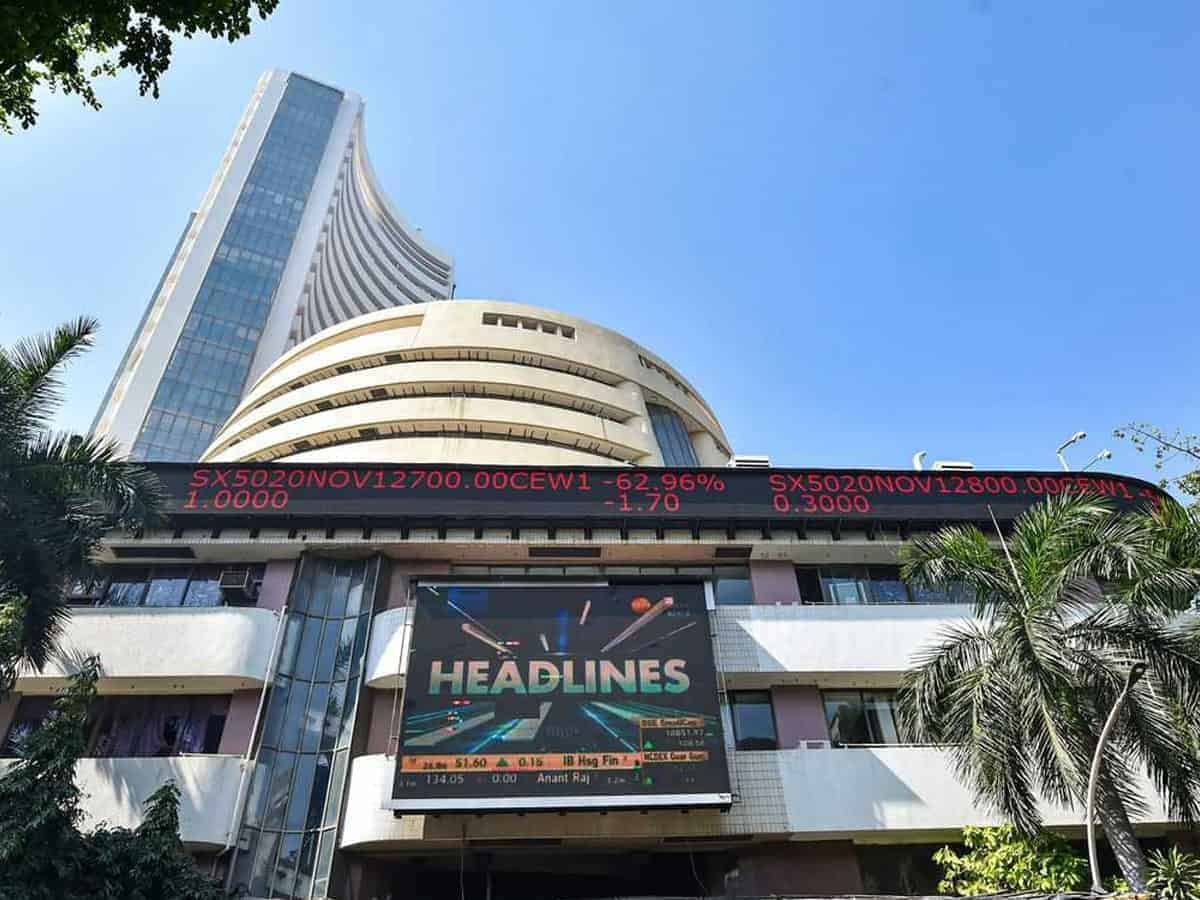
    Mumbai: The Indian equity benchmark indices opened higher on Thursday amid mixed global cues, as buying was seen in the Financial Service and PSU Bank sectors in the early trade.

    Hyderabad Institute of Excellence

    At around 9.31 am, Sensex was trading 61.17 points or 0.08 per cent up at 74,090.93 while the Nifty added 2.15 points or 0.01 per cent at 22,472.65

    Nifty Bank was up 113.10 points or 0.24 per cent at 48,169.75. The Nifty Midcap 100 index was trading at 48,436.80 after declining 49.80 points or 0.10 per cent. Nifty Smallcap 100 index was at 14,981.45 after declining 62.90 points or 0.42 per cent.

    MS Creative SchoolMS Creative School

    According to market watchers, the Indian equity markets were expected to open on a flat to slightly bullish note, as indicated by GIFT Nifty, which was trading around 22,570 in early trades, reflecting a modest increase of 25 points.

    “This suggests a cautious market sentiment, influenced by global cues and the absence of strong domestic triggers. Investors will closely monitor global trends, crude oil prices, and institutional flows to assess the market’s direction,” said Hardik Matalia of Choice Broking.

    Meanwhile, in the Sensex pack, IndusInd Bank, Tata Steel, Zomato, Bajaj Finserv, ICICI Bank, Tech Mahindra, Infosys and SBI were the top gainers. Whereas, Hindustan Unilever Limited, Sun Pharma, Tata Motors, UltraTech Cement and Asian Paints were the top losers.

    According to experts, given the prevailing market dynamics, traders are advised to exercise caution and wait for confirmation of price action at critical levels before initiating fresh positions.

    In the last trading session, Dow Jones declined 0.20 per cent to close at 41,350.93. The S&P 500 added 0.49 per cent to 5,599.30 and the Nasdaq climbed 1.22 per cent to close at 17,648.45.

    In the Asian markets, Bangkok, Japan, Seoul and Jakarta were trading in green. Whereas China, and Hong Kong were trading in red.

    Regarding institutional activity, foreign Institutional Investors (FIIs) offloaded equities worth Rs 1,627.61 crore on March 12, while Domestic Institutional Investors (DIIs) purchased equities worth Rs 1,510.35 crore on the same day.

  • Trump’s steel, aluminium tariffs go into effect; EU, Canada hit back

    Trump’s steel, aluminium tariffs go into effect; EU, Canada hit back

    Washington: US President Donald Trump’s tariffs on steel and aluminium imports from anywhere in the world went into effect on Wednesday morning drawing swift retaliatory levies from the European Union and Canada.

    Hyderabad Institute of Excellence

    Trump had reinstated from his first term a 25 per cent tariff on steel and an elevated rate of 25 per cent on aluminium, going up from 15 per cent.

    Unlike the first term though, no country has been exempted from these levies.

    MS Creative SchoolMS Creative School

    Earlier this month, Trump had hit Canada, Mexico, and China with separate tariff hikes as punishment for allowing illegal migrants to pass through their borders (not China) and fentanyl, an addictive opioid. A third set of hikes is expected in April under Trump’s reciprocal taxation system.

    The EU has said it has targeted $28 billion worth of imports from the US, which is about the same as the estimated worth of the EU’s steel and aluminium exports to the US that will be impacted by the hikes. These EU hikes will come in two stages. In the first, retaliatory tariffs were announced in response to Trump’s first-term levies. The EU had suspended these hikes during President Joe Biden’s term, and that suspension will be allowed to lapse in April. Also in this stage are new tariffs targeting boats, bourbon, and motorcycles. The second stage will come after two weeks.

    At the same time, Ursula von der Leyen, President of the European Commission, which is the executive branch of the European Union, told reporters she had told her officials to resume trade talks with US officials. “We firmly believe that in a world fraught with geo-economic and political uncertainties, it is not in our common interest to burden our economies with such tariffs”.

    Canada, which is the biggest foreign supplier of steel and aluminium to the US, will slap retaliatory tariffs on $29.8 billion (Canadian dollars) from Wednesday.

    There has been no response from the White House to the EU hikes, but Trump had in general threatened to come back with even heavier hikes to retaliatory actions by trading partners.