MINNEAPOLIS (AP) — David Doty, the U.S. District Judge who directed numerous NFL labor matters in his Minneapolis courtroom and made a 1992 ruling that paved the way for modern free agency, has died. He was 96.
District of Minnesota officials announced that Doty died on Saturday, three days before his birthday. No cause was given.
“Judge Doty devoted his life to public service and the law, presiding over NFL-related litigation for many years during his distinguished career,” the league said in a statement issued after his death. “We express our sincere condolences to his family, friends and colleagues.”
Appointed by President Ronald Reagan to the federal bench in 1987, Doty gained senior status in 1998 and continued to handle cases until a few months before his death. After serving six years in the Marines, Doty earned his law degree in 1961 from the University of Minnesota before 26 years in private practice.
He presided over thousands of civil and criminal cases during his judicial career, including several landmark NFL management-union disputes with a down-to-earth and pleasant demeanor that could turn stern if he felt the lawyers arguing in front of him needed to be redirected.
“Judge Doty devoted his entire professional life to serving others — as a Marine, as a lawyer who served not only clients but his community in many ways, and as a U.S. District Judge for nearly four decades. Despite his remarkable accomplishments, he was a genuinely humble man,” Chief U.S. District Judge Patrick Schiltz said. “He treated everyone — from the guy who shined his shoes to Justices of the U.S. Supreme Court — the same way: with kindness and compassion and a sincere interest in their lives. I will particularly miss his sense of humor. He always had a smile on his face.”
After a 1987 player strike that interrupted the regular season, the NFL Players Association filed suit over the league’s restrictive rules around free agency, and Doty was assigned to the case.
Urging both parties to continue bargaining, Doty initially sided with the NFL by refusing to turn loose some 300 players from their teams onto the open market. In 1990, however, he granted them freedom to pursue individual antitrust cases against the league.
In 1992, the limited free agency system the owners had implemented in absence of a collective bargaining agreement — “Plan B” allowed teams to protect 37 players from signing elsewhere — was struck down by a jury of eight women.
After the trial that lasted more than three months with 16 hours of deliberation, Doty then ruled in favor of a handful of players who’d filed suit for unrestricted free agency. The following year, star defensive end Reggie White led a class-action lawsuit against the league that sparked fresh negotiations between the two sides.
The eventual settlement created the next collective bargaining agreement that included more permissive free agency and a salary cap system to pacify owners concerned about skyrocketing payroll costs. White, an eight-time All-Pro who landed in the Pro Football Hall of Fame after his death in 2004, left the Philadelphia Eagles to sign with the Green Bay Packers. He helped lead them to a Super Bowl title after his fourth season with the club.
That 1993 agreement that was trumped by the new CBA in 2011 is at the root of the league’s competitive parity and widespread popularity that continues to soar some 33 years later. Doty continued for decades to maintain jurisdiction over the labor disputes that weren’t resolved through the league’s own arbitration process — from money matters to player discipline.
Doty ruled in 2008 that then-jailed quarterback Michael Vick could keep more than $16 million in bonus money the Atlanta Falcons tried to recoup after he pleaded guilty to federal charges for running a dogfighting operation. He also sided with the NFLPA and running back Adrian Peterson in 2015 in his appeal of a suspension by the league following the child abuse case against him.
Doty didn’t always favor the union. He denied in 2012 a motion to reopen the White agreement in a collusion case against the league that was kept alive in appeals court. After Doty recused himself from that case in 2014, Doty’s colleague U.S. District Judge Michael Davis rejected anew the claim of a secret 2010 cap on player salaries.
The post Federal judge David Doty, whose 1992 ruling paved the way for modern NFL free agency, has died at 96 appeared first on MinnPost.
WASHINGTON – Food stamps were a focus of attention as a new report showed that participation in the program has dropped by more than 4 million people nationwide and the U.S. Department of Agriculture released its latest food stamp “error rate” report this week.
The Center for Budget and Policy Priorities said participation in the food stamp program, known officially as the Supplemental Nutrition Assistance Program (SNAP), dropped after President Donald Trump’s “big beautiful bill” was enacted into law about a year ago, placing new restrictions on beneficiaries.
The drop was noted even before the most impactful aspect of the bill, new work requirements, went into effect June 1.
According to the center, participation dropped an average of 10% nationally between the law’s July 2025 enactment and March 2026, based on data from the USDA. Minnesota’s participation rate fell by far less, the center’s report said — about 3.55%.
There were about 435,000 SNAP recipients in Minnesota at the end of March. And that number is expected to drop because of the new work requirements.
As of June 1, recipients must log at least 20 hours per week in paid employment or approved education, training or volunteer service.
There’s another change to the SNAP program that has been implemented by the megabill Congress approved last summer. SNAP is fully funded by the federal government, but the law will require states that have an unacceptable error rate to pay for a share of the cost of the program.
The “big beautiful bill” has already cut the administrative funds states receive from the federal government to administer SNAP, but this will cost states much more.
Error rates are an accounting of the overpayments and underpayments a state gives SNAP recipients. The USDA report released this week showed Minnesota had a 12.58% error rate, far greater than the rate Congress deemed acceptable, which is 6%.
But the average national error rate was high in 2025, too. It was 10.68%.
Minnesota and many other states now have a year to reduce the error rate or take a hit to their state budgets.
In 2024, the USDA said Minnesota’s error rate was 8.98%.
The Minnesota Department of Children, Youth and Families did not respond to a query about the state’s SNAP error rate.
But Rep. Tom Emmer, R-6th District, made use of the report to, once again, slam Gov. Tim Walz.
“Tim Walz’s Minnesota has one of the highest SNAP overpayment rates in the country,” Emmer said in a statement. “Under Walz’s so-called leadership, our overpayment rate increased by more than 50% in just one fiscal year. This is unacceptable, and if it continues, hardworking Minnesotans are going to pay the price for the Walz Administration’s total inability to manage and safeguard taxpayer dollars.”
Not bringing home the bacon
The U.S. Senate released a draft version of its farm bill this week that does not include one key Democratic demand – a measure that would reverse the requirement that would soon force some states to cover some food stamp costs.
Democrats on the Senate Agriculture Committee, including Sen. Amy Klobuchar, have vowed to oppose any farm bill that does not include that measure.
“Senate Agriculture Committee Democrats have been clear that a Farm Bill must meet the needs of both farmers and families across America,” the panel’s Democratic members said in a statement. This bill does not address the devastating cuts to SNAP or the shift to state taxpayers passed into law … .”
The statement also said Democrats “stand ready to work with Republicans to negotiate a bipartisan Farm Bill that both meets the moment and can be successful on the Senate Floor.”
The draft was similar to a farm bill the U.S. House approved in April. But it did not contain one provision that many Democrats opposed.
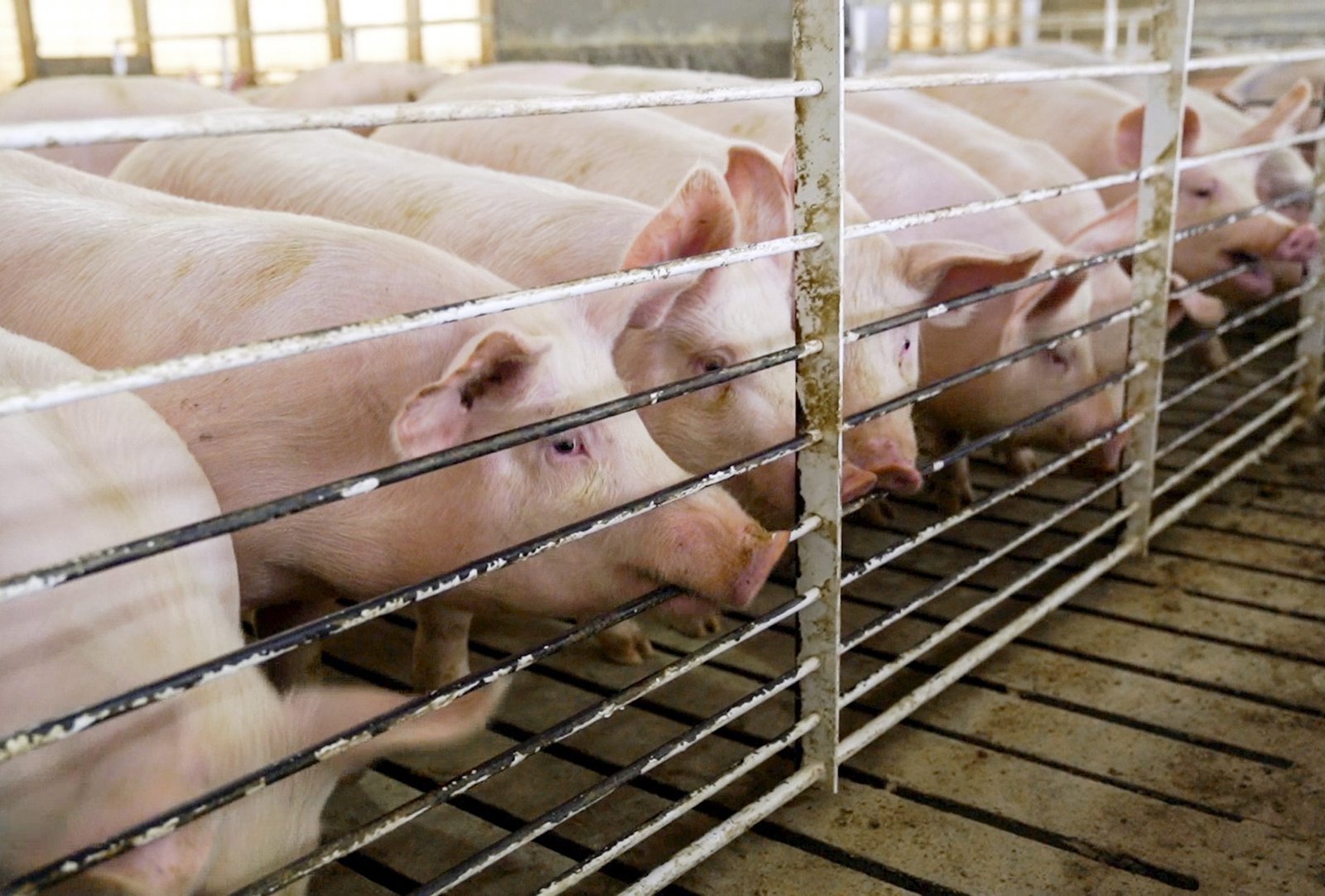
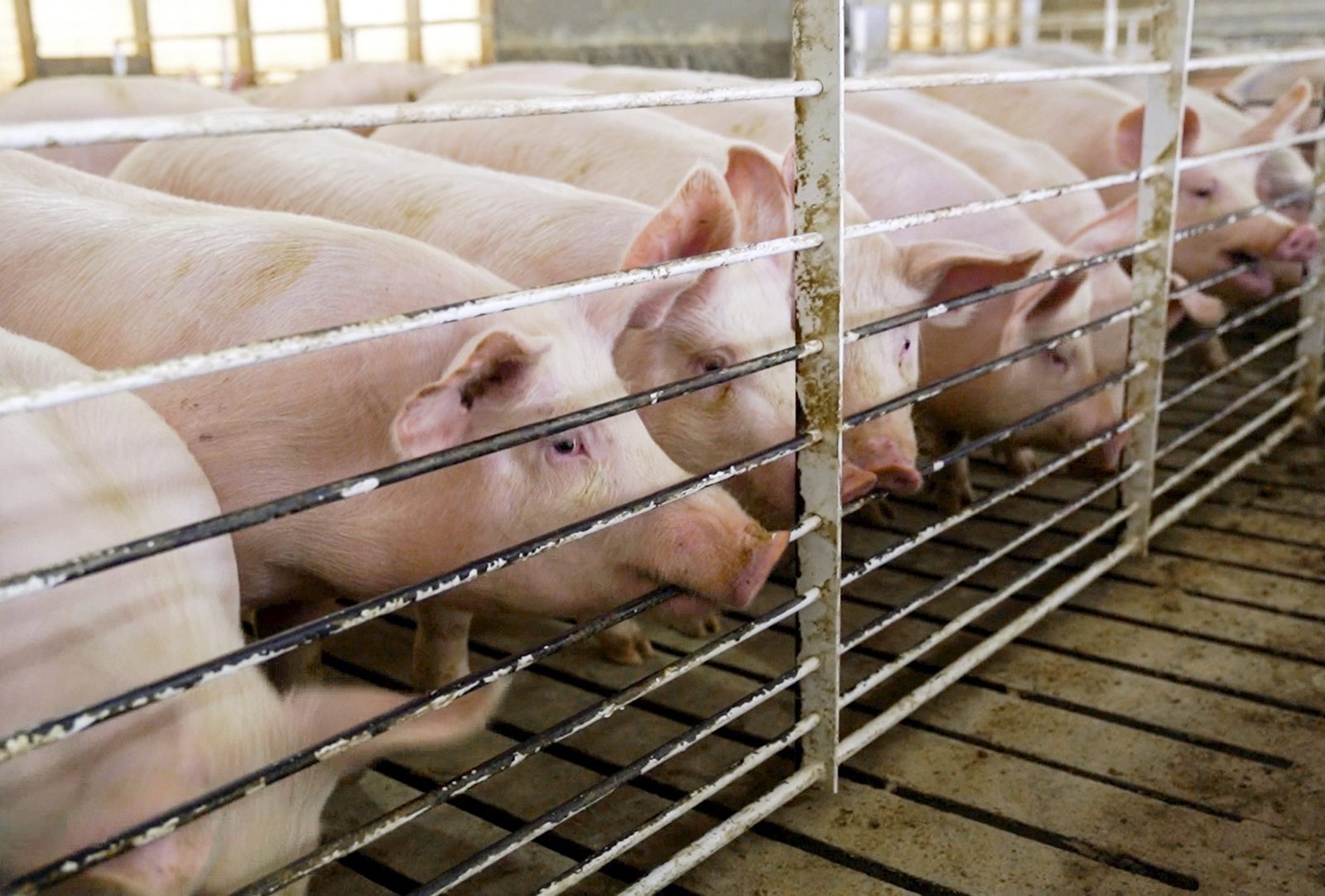
The so-called Save our Bacon Act included in the House farm bill would nullify state bans on imported pork and other meats that come from livestock raised in inhumane conditions.
The move to put a federal ban on states that limit imports of farm products for humane reasons comes from a law passed by California that was a result of a ballot initiative called Proposition 12. But other states have also placed similar restrictions.
When the Senate has finished work on its farm bill, that legislation must be reconciled with the House’s farm bill.
In a post on X, Senate Minority Leader Chuck Schumer, D-N.Y, said he would not accept a final bill that contained the Save our Bacon Act.
“I OPPOSE the Save Our Bacon Act and any attempt to jam it into the Farm Bill,” Schumer said. “This bill would gut state food safety and animal welfare laws, wipe out voter-approved protections, and strip states like NY of the right to set basic standards.”
Schumer called the livestock legislation “a giveaway to Big Ag and meat monopolies, punishing family farmers who followed the rules, while giving the biggest corporations more power to squeeze farmers and families.”
The Senate Agriculture Committee’s decision to keep the Save our Bacon Act out of its farm bill was hailed by animal rights groups.
“The vast majority of Americans want to end animal suffering and oppose attempts to undo popular, commonsense laws that protect animals, support independent farmers and make it easier for consumers to find more humane, healthy food,” said Nancy Perry, a top lobbyist for the American Society for the Prevention of Cruelty to Animals.
In other news:
▪️Writer Forrest Peterson found that, although the nation has been entranced by the horrific condition of the water in the Reflecting Pool in Washington, D.C., there are also plenty of impaired waters closer to home. His story says state regulators are hosting public meetings throughout the summer to review 3,000 bodies of water in the state. ▪️The DFL, and national Democrats, breathed a sigh of relief when Sen. Amy Klobuchar decided to run for Gov. Tim Walz’s seat. But the popular senator, a veteran at running for statewide office, must persuade voters she can be a good administrator, and not just a skilled legislator, as she hopes to pilot a state that has undergone tough times. ▪️Meanwhile, Metro reporter Trevor Mitchell wrote that advocates say a new position in the Hennepin County Attorney’s Office aimed at helping victims of domestic abuse solves one problem while ignoring others. ▪️And Greater Minnesota reporter Brian Arola has a story about attempts to halt the establishment of data centers in the state. He writes that, after striking out at the local and state levels, activists who oppose those centers are looking to the fall elections to slow down developments.
Please keep your comments, and any questions, coming. I’ll try my best to respond.Please contact me at aradelat@minnpost.com.
The post D.C. Memo: Food stamp enrollment falls after GOP places limits appeared first on MinnPost.
WASHINGTON – Food stamps were a focus of attention as a new report showed that participation in the program has dropped by more than 4 million people nationwide and the U.S. Department of Agriculture released its latest food stamp “error rate” report this week.
The Center for Budget and Policy Priorities said participation in the food stamp program, known officially as the Supplemental Nutrition Assistance Program (SNAP), dropped after President Donald Trump’s “big beautiful bill” was enacted into law about a year ago, placing new restrictions on beneficiaries.
The drop was noted even before the most impactful aspect of the bill, new work requirements, went into effect June 1.
According to the center, participation dropped an average of 10% nationally between the law’s July 2025 enactment and March 2026, based on data from the USDA. Minnesota’s participation rate fell by far less, the center’s report said — about 3.55%.
There were about 435,000 SNAP recipients in Minnesota at the end of March. And that number is expected to drop because of the new work requirements.
As of June 1, recipients must log at least 20 hours per week in paid employment or approved education, training or volunteer service.
There’s another change to the SNAP program that has been implemented by the megabill Congress approved last summer. SNAP is fully funded by the federal government, but the law will require states that have an unacceptable error rate to pay for a share of the cost of the program.
The “big beautiful bill” has already cut the administrative funds states receive from the federal government to administer SNAP, but this will cost states much more.
Error rates are an accounting of the overpayments and underpayments a state gives SNAP recipients. The USDA report released this week showed Minnesota had a 12.58% error rate, far greater than the rate Congress deemed acceptable, which is 6%.
But the average national error rate was high in 2025, too. It was 10.68%.
Minnesota and many other states now have a year to reduce the error rate or take a hit to their state budgets.
In 2024, the USDA said Minnesota’s error rate was 8.98%.
The Minnesota Department of Children, Youth and Families did not respond to a query about the state’s SNAP error rate.
But Rep. Tom Emmer, R-6th District, made use of the report to, once again, slam Gov. Tim Walz.
“Tim Walz’s Minnesota has one of the highest SNAP overpayment rates in the country,” Emmer said in a statement. “Under Walz’s so-called leadership, our overpayment rate increased by more than 50% in just one fiscal year. This is unacceptable, and if it continues, hardworking Minnesotans are going to pay the price for the Walz Administration’s total inability to manage and safeguard taxpayer dollars.”
Not bringing home the bacon
The U.S. Senate released a draft version of its farm bill this week that does not include one key Democratic demand – a measure that would reverse the requirement that would soon force some states to cover some food stamp costs.
Democrats on the Senate Agriculture Committee, including Sen. Amy Klobuchar, have vowed to oppose any farm bill that does not include that measure.
“Senate Agriculture Committee Democrats have been clear that a Farm Bill must meet the needs of both farmers and families across America,” the panel’s Democratic members said in a statement. This bill does not address the devastating cuts to SNAP or the shift to state taxpayers passed into law … .”
The statement also said Democrats “stand ready to work with Republicans to negotiate a bipartisan Farm Bill that both meets the moment and can be successful on the Senate Floor.”
The draft was similar to a farm bill the U.S. House approved in April. But it did not contain one provision that many Democrats opposed.
The so-called Save our Bacon Act included in the House farm bill would nullify state bans on imported pork and other meats that come from livestock raised in inhumane conditions.
The move to put a federal ban on states that limit imports of farm products for humane reasons comes from a law passed by California that was a result of a ballot initiative called Proposition 12. But other states have also placed similar restrictions.
When the Senate has finished work on its farm bill, that legislation must be reconciled with the House’s farm bill.
In a post on X, Senate Minority Leader Chuck Schumer, D-N.Y, said he would not accept a final bill that contained the Save our Bacon Act.
“I OPPOSE the Save Our Bacon Act and any attempt to jam it into the Farm Bill,” Schumer said. “This bill would gut state food safety and animal welfare laws, wipe out voter-approved protections, and strip states like NY of the right to set basic standards.”
Schumer called the livestock legislation “a giveaway to Big Ag and meat monopolies, punishing family farmers who followed the rules, while giving the biggest corporations more power to squeeze farmers and families.”
The Senate Agriculture Committee’s decision to keep the Save our Bacon Act out of its farm bill was hailed by animal rights groups.
“The vast majority of Americans want to end animal suffering and oppose attempts to undo popular, commonsense laws that protect animals, support independent farmers and make it easier for consumers to find more humane, healthy food,” said Nancy Perry, a top lobbyist for the American Society for the Prevention of Cruelty to Animals.
In other news:
▪️Writer Forrest Peterson found that, although the nation has been entranced by the horrific condition of the water in the Reflecting Pool in Washington, D.C., there are also plenty of impaired waters closer to home. His story says state regulators are hosting public meetings throughout the summer to review 3,000 bodies of water in the state. ▪️The DFL, and national Democrats, breathed a sigh of relief when Sen. Amy Klobuchar decided to run for Gov. Tim Walz’s seat. But the popular senator, a veteran at running for statewide office, must persuade voters she can be a good administrator, and not just a skilled legislator, as she hopes to pilot a state that has undergone tough times. ▪️Meanwhile, Metro reporter Trevor Mitchell wrote that advocates say a new position in the Hennepin County Attorney’s Office aimed at helping victims of domestic abuse solves one problem while ignoring others. ▪️And Greater Minnesota reporter Brian Arola has a story about attempts to halt the establishment of data centers in the state. He writes that, after striking out at the local and state levels, activists who oppose those centers are looking to the fall elections to slow down developments.
Please keep your comments, and any questions, coming. I’ll try my best to respond.Please contact me at aradelat@minnpost.com.
The post D.C. Memo: Food stamp enrollment falls after GOP places limits appeared first on MinnPost.
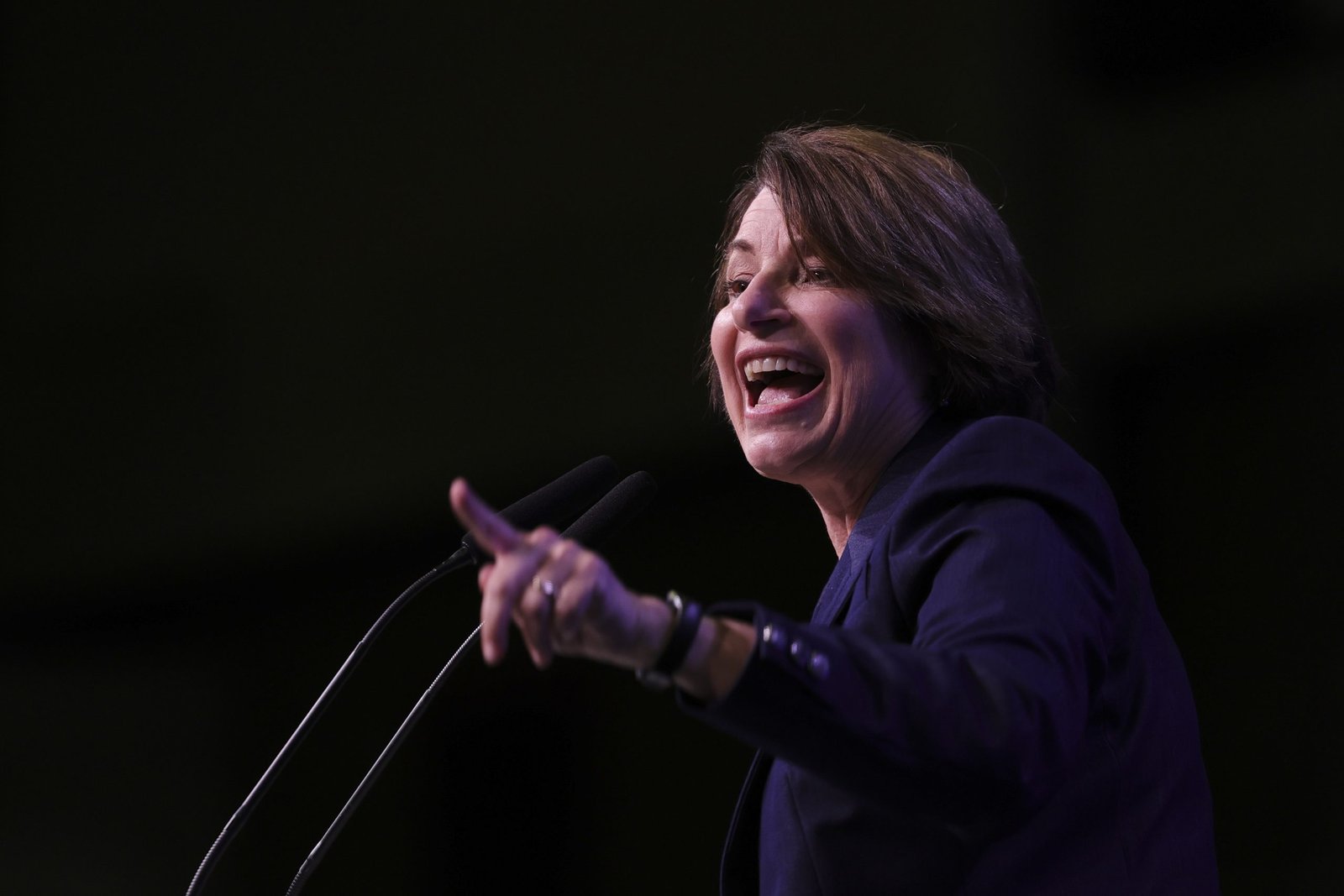
WASHINGTON — When the Democratic Party needed a strong candidate to keep Minnesota’s governor’s seat in the “blue” column, U.S. Sen. Amy Klobuchar answered the call.
“I truly do love my job in the Senate, but I love my state more than any job and I believe that we can get to a better place,” Klobuchar said. “I don’t like the status quo.”
Heavily favored to be Minnesota’s next governor and the first woman to hold that position, Klobuchar’s strategy is to distance herself from Gov. Tim Walz and to crack down on any allegations of fraud with a 40-point plan aimed at reforming state government. And she said she is ready to rush the transformation.
“Patience is a virtue, but it’s one I don’t have,” she said.
Klobuchar, 66, said she received calls from both state DFLers and national Democrats after Walz in early January reversed course and decided not to run for a third term, giving Klobuchar just one day’s notice of his decision.
Related: Capitol Conversations: What Klobuchar stands for (so far)
“I’d been saying, ‘Maybe you could wait two weeks,’” said Klobuchar, who herself waited two weeks to file as a gubernatorial candidate.
She said “there were a lot of people in the Senate that made the case for me to stay there.”
“But I think people understood the unique moment we were in as a state and why I made that decision,” she said.
A member of the Democratic leadership in the Senate, Klobuchar has through seniority and grit climbed the ranks to win the No. 3 spot in Senate Democratic leadership as chair of the Steering and Policy Committee.
But Sen. John Hoeven, R-N.D., who has worked closely with Klobuchar on regional issues, said Klobuchar may have been considering how much further she could climb. “She had to weigh, ‘Do I stay and see how that plays out or do I go back to Minnesota?’” Hoeven said.
Tim Lindberg, a political science professor at the University of Minnesota Morris, said Klobuchar may have suffered some frustration working in a closely divided Senate. Whether the chamber is controlled by Democrats or Republicans, the filibuster rule that requires much legislation to have the support of at least 60 senators has impeded many initiatives from moving forward.
“Being governor allows her to be in a power position where she can do things and make big changes,” Lindberg said.
The professor said the advantage of an open seat and the fact Klobuchar entered the race fairly early, “eclipsing all other possible (Democratic) contenders,” was in her favor.
Klobuchar said the “horror” of what has happened recently in Minnesota, including the murders of former Minnesota House Speaker Melissa Hortman and her husband, the mass shooting at Annunciation Catholic School and the deaths of Renee Good and Alex Pretti at the hands of federal agents during Operation Metro Surge also influenced her decision to run for governor.
“I’ve always believed that we could get to higher ground and it’s been one thing after another that’s made that hard in Minnesota,” she said.
Last month, Klobuchar chose former Fergus Falls Mayor Ben Schierer as her lieutenant governor candidate.
Having represented Minnesota in the U.S. Senate since 2007, Klobuchar is a known political commodity.
A moderate who nonetheless is willing to take on powerful interests — including the pharmaceutical industry and the tech giants — albeit in a limited way, Klobuchar is considered a workaholic on Capitol Hill — a trait she acknowledges often wears out her staff. She’s also distinguished herself by her ability to find common ground with Republicans to pass legislation.
“I’ve always focused on getting things done,” she said. “There’s this moment in time that is not going to be like any other where we’ve been facing hard things and I want to make sure that we stay together as a state, despite the political divides and changing the status quo and not just accepting things and restoring people’s trust in our government again.”
Sen. Tammy Baldwin, D-Wis., said she learned a lot from Klobuchar about the workings of the Senate when they worked together on regional issues.
“When she’s trying to persuade a colleague on an issue, she’s really prepared,” Baldwin said. “She also has the instinct to know where an agreement can be forged.”
And Klobuchar, who was born in Plymouth, is tireless when it comes to meeting voters.
“She visits every single county in Minnesota every year,” Baldwin said. “That means to me she knows every corner of the state and she has her finger on the pulse.”
Hoeven said that when working on joint projects with Klobuchar, including a massive Red River flood protection plan, he noticed that “she probably gets no more than six hours of sleep.”
Lindberg said Klobuchar is bipartisan in a “politically palatable way.” He said she does not embrace GOP initiatives but finds ways to work with Republicans that share common interests with her.
Her partnership with Sen. Ted Cruz, R-Texas, for instance, resulted in the Take it Down Act, which criminalizes the non-consensual sharing of AI-generated images and requires social media platforms to remove such content within 48 hours.
“It’s a model (to take down) other inappropriate things on platforms,” Klobuchar said
The senator said she used her position as chairman of the Joint Congressional Committee on Inauguration Ceremonies, which put her in close contact with First Lady Melania Trump on the day President Donald Trump took his second oath of office, to successfully lobby for the president’s support of the Take it Down Act.
The ‘strongest DFL statewide candidate’
A Yale grad who earned her law degree at the University of Chicago, wrote several books on policy, made a bid for the White House and served as Hennepin County attorney, Klobuchar has had name recognition in the state for decades.
At the start of her career, that name recognition may have been at least in part due to her father, Jim Klobuchar, who was a prominent and much-admired sports and politics reporter for the Star Tribune.
Now she is by far the best-known Klobuchar in the state and such a political heavyweight that the DFL is betting that having her name on the top of the ballot will lift the fortunes of other DFL candidates.
Jacob Rubashkin of Inside Elections said Klobuchar’s strength is “that she has universal name ID and a track record of being the strongest DFL statewide candidates over the past decade.”
“She has a nationwide fundraising base from her time in the Senate and presidential run, and an existing statewide infrastructure that she can redirect to her gubernatorial contest,” Rubashkin said.
Related: With Klobuchar and Flanagan already in the cat bird’s seat, the DFL convention was defined by neophyte Kobey Layne and mild misadventures
She has already raised more than $7 million in campaign cash, far outpacing her political rivals.
If Klobuchar wins the Democratic primary in August against progressive challenger Kobey Layne, as expected, the senator will face one of three Republicans. They are House Speaker Lisa Demuth, former healthcare executive Kendall Qualls or My Pillow CEO Mike Lindell, all of whom are vying for the GOP nomination in their party’s August primary.
Since Klobuchar does not know yet who her Republican opponent will be, she’s focusing much of her campaign on hitting Trump on a variety of issues — including the reflecting pool fiasco – and on the Democrats’ political mantra of “affordability” as prices for oil, food and other necessities continue to climb.
Her appeals for campaign donations, however, focus on Lindell, whose personal allegiance to Trump prompted Lindell to make false claims about the 2020 election that have led to a number of lawsuits and multi-million dollar judgments and who is better known than the other Republicans vying for Walz’s seat.
Whoever wins the GOP primary, however, is likely to be an underdog in November’s general election. Republicans have not filled a statewide seat in Minnesota in 20 years.
Clout that would be hard to replace
If Klobuchar wins in November, it will be difficult for any candidate that is appointed to fill out the rest of her term to match her clout.
Among the benefits Klobuchar’s seniority and skills have brought is her ability to direct billions of federal dollars to Minnesota.
Baldwin said she worked with Klobuchar to procure more than $1 billion to replace the 60-year-old Blatnik Bridge, a crossing that carries Interstate 535 and U.S. Highway 53 over the Saint Louis River, connecting Duluth and Superior, Wis.
The project had been given a green light through former President Joe Biden’s massive infrastructure bill, but there were concerns about its fate after Trump was elected to his second term.
Related: Chaos at Minnesota conventions reignites calls for a new way of choosing candidates
So, the Democratic senators successfully lobbied Transportation Secretary Sean Duffy, who happens to come from northern Wisconsin.
Klobuchar’s relationship with Hoeven was also forged through a joint effort to wrest money for their states from Washington.
In this case, the money they sought was for a U.S. Army Corp of Engineers flood prevention project along the Red River. The senators and the volunteers on their side of the river had a friendly rivalry filling sandbags to prevent the river from flooding, but the permanent solution was a $3.2 billion public-private partnership that required “a lot of legislation,” Hoeven said.
Yet Hoeven, who was North Dakota’s Republican governor before entering the Senate, said there is no doubt about which is the best political job.
“Governor was the better job,” Hoeven said. “I am deeply honored to be in the Senate, but as governor you can set your agenda and work with people to achieve it and Amy would really like that.”
The post Klobuchar vows to be a transformative governor as she vies for Walz’s seat appeared first on MinnPost.
A federal judge has blocked an attempt by the Trump administration to subpoena Minnesota Gov. Tim Walz and other state officials, calling it an effort to “harass and retaliate against them.”
In a ruling unsealed Monday, U.S. District Judge Patrick Schlitz found the “dominant purpose” of the subpoenas was to “coerce Minnesota officials into assisting the federal government with enforcing civil immigration law and to harass and retaliate against them for failing to do so.”
The subpoenas seeking records were served in January as part of an investigation into whether Walz and other officials obstructed or impeded law enforcement during a sweeping immigration operation in the Minneapolis-St. Paul area. They were sent to the offices of Walz, Attorney General Keith Ellison, Minneapolis Mayor Jacob Frey, St. Paul Mayor Kaohly Her and officials in Ramsey and Hennepin counties.
Related: Vance demands DOJ conduct criminal fraud probe of Walz, Ellison after release of committee report
The ruling is the latest rebuke by the federal judiciary of Justice Department efforts to aggressively implement the Trump administration agenda in courts and target the president’s political adversaries through subpoenas and similar demands.
The judge ruled that there appeared to be “extremely weak to nonexistent” connections between the information sought in the subpoenas and any possible criminal violation. The subpoenas seek materials “that largely if not entirely relate to constitutionally protected conduct,” the judge wrote, noting that Minnesota has the legal right not to devote its resources to enforcing federal immigration law.
The Justice Department “is not conducting a criminal investigation,” the judge wrote, “but is instead using the grand jury process for other (unlawful) purposes.”
The evidence that the subpoenas were issued for unlawful reasons is overwhelming, the judge said, arguing that the Justice Department “has struggled — without success — to identify a single plausible investigatory justification” for them.
The Justice Department didn’t immediately respond to an email seeking comment.
Walz, in a statement, called the ruling “a victory for the rule of law and our democracy.”
“The U.S. Justice Department is pursuing criminal investigations into the President’s political opponents,” said Walz, the 2024 Democratic nominee for vice president. “This case was just one example of that, but we are seeing daily reminders of this administration’s lawlessness — in Minnesota and around the country. We all must continue to seek justice and uphold the rule of law.”
Ellison said “it should disturb every American that Donald Trump is weaponizing the criminal justice system against people he disagrees with.”
The subpoenas “a politically motivated retaliation against our city for lawfully standing up to ICE and fighting for our residents,” Her said in a statement, referring to U.S. Immigration and Customs Enforcement.
Frey said the investigation was “never about justice, law, and order, but the absence of it.”
“Subpoenaing political opponents because they spoke on behalf of their constituents violates the core tenets of our democracy and human decency,” he said.
Frey also observed that criticizing government action is not a crime.
“One of the defining strengths of our democracy is the ability to challenge those in power without fear of retribution. Elected officials have both the right and the responsibility to speak honestly about how government decisions affect the people they serve,” he said.
Over the last year, judges have dismissed indictments against two prominent Trump foes, former FBI Director James Comey and New York Attorney General Letitia James, and grand juries have repeatedly refused to return indictments sought by the Justice Department.
The moves reflect mounting public concerns that the Justice Department, an institution meant to make investigative and prosecution decisions independent of the White House, is being politicized under the current Trump administration.
Vice President JD Vance has separately called on the Justice Department to investigate Walz and Ellison over allegations they failed to stop widespread social services fraud, though the department has not said whether it will open an investigation. Walz and Ellison have described those allegations as politically motivated and defended their efforts to combat fraud in Minnesota.
The post Federal judge halts Trump administration effort to subpoena Walz in immigration enforcement probe appeared first on MinnPost.
WASHINGTON – Rep. Kelly Morrison is likely the wealthiest member of Minnesota’s congressional delegation, Rep. Betty McCollum is burdened with two mortgages, and Rep. Angie Craig sold her condo on a Mexican beach.
Those are just some of the findings in the financial disclosure reports filed by Minnesota’s members of Congress.
The reports, covering lawmakers’ finances in 2025 and filed with the House Ethics Committee, also show that several Minnesota lawmakers have more modest assets and income.
Rep. Ilhan Omar, D-5th District, has a debt of between $15,000 and $50,000 for her student loans. Her husband, Tim Mynett, holds credit card debt valued at between $15,000 and $50,000.
Related: There’s a chasm in wealth between GOP Senate contenders, according to new financial disclosure filing
While members of Congress are required to report certain income, assets, liabilities and transactions, they do so in wide dollar ranges so only a broad view of their financial disclosures are made public.
And several types of assets do not have to be reported, including the value of a main residence and any money invested in the Thrift Savings Plan, a retirement plan for federal workers that is similar to an IRA or 401k. Nor are the lawmaker’s salaries listed, which for most members of Congress is $174,000 this year.
Still, the disclosures offer a glimpse into the finances of individual members – and can divulge possible conflicts of interest.
Earlier this year, President Donald Trump attacked Omar over a sharp increase in the valuations of two companies owned by her husband. That increase prompted a congressional probe by one of the president’s staunchest GOP allies and Trump’s suggestion to the Justice Department to investigate the lawmaker and her husband for fraud.
Omar’s original 2024 finance report said those companies were worth between $6 million and $30 million. That was a sharp increase from their stated value in the lawmaker’s 2023 disclosure.
Omar subsequently amended her 2024 disclosure report, saying the valuations of Mynett’s companies – a winery in California and a venture capital firm called Rose Lake Capital – were made in error because they did not include the companies’ liabilities and debts.
Omar’s most recent report listed the valuation of the companies – in which her husband is partial owner – as “none.”
Vast stock holdings
Morrison, D-3rd District, received an extension from the Ethics Committee that allows her to file her report as late as Aug. 13.
But her last report, filed July 20, 2025, showed that the lawmaker had between $503,000 and more than $1 million in personal bank accounts, and that she and her husband owned between $22.9 million and $77 million in mutual funds, individual stock holdings and other assets.
The couple also reported a rental property worth between $500,000 and about $1 million.
Morrison’s vast stock holdings came under scrutiny in April when it was discovered that she filed reports on trades months after they were due, and in one case more than a year late. The eight trades in question together were worth between $1.41 million and $2.91 million.
Besides filing annual financial disclosure reports, members of Congress must also publicly disclose any individual stock, bond, or commodity trade over $1,000 within 30 to 45 days of the transaction.
A spokeswoman for Morrison said the lawmaker was unaware of the trades, which were made by her financial advisor. And Morrison said she would divest herself of all individual stocks and holdings in private companies.
“I take my role as a public servant very seriously,” Morrison said in a statement.“Trust in government is critically important and even the appearance of a conflict of interest can erode that trust. I don’t want there to ever be a question of what I am fighting for and who I serve. That is why I am divesting from all public and private companies and will no longer own individual stocks.”
Craig, D-2nd District, meanwhile, listed a personal bank account holding $250,000 to $500,000 and mutual funds and other investments – some held jointly with her wife – worth between nearly $4.3 million and $8.6 million.
The Senate candidate also reported selling a condominium she and her spouse owned in Playa del Carmen, a beach resort town on the Mexican Caribbean. That property was valued at between $100,000 and $250,000.
Farmland, rental properties help enrich lawmakers
On the other end of the financial spectrum, Rep. Tom Emmer, R-6th District, filed a very simple report. It only listed one asset, an IRA worth between $15,000 and $50,000.
Emmer’s report also listed only one liability, a mortgage valued at between $100,000 and $250,000.
Rep. Betty McCollum, D-4th District, also filed an uncomplicated financial report. She listed income from an annuity in the amount of $1,000 to $2,500 and a mortgage on her home in St. Paul worth between $100,000 and $250,000.
McCollum also listed a second mortgage – on her home in Washington D.C. – worth between $250,000 and $500,000.
Meanwhile, Rep. Brad Finstad, R-1st District, reported owning a stake worth between $1 million and $5 million in a family farm, and ownership of a building in Brown, Minn., worth $5 million.
Finstad also reported ownership of a New Ulm agricultural and environmental testing company called Frontier Labs valued at $1 million, and other assets worth between $582,000 and $1.43 million.
Another Republican, Rep. Michelle Fischbach who represents the 7th congressional district, reported ownership of three rental properties in Paynesville worth a total of between $200,000 and $450,000 and rental income from those properties in the range of $10,000 to $30,000.
Fischbach also reported assets that included stocks, mutual funds and farmland whose total worth was between $218,000 and $670,000.
Related: Omar responds to Trump, GOP charges of financial malfeasance and fraud with new financial disclosure filing
Fischbach’s liabilities include mortgages on rental property, residences and a vacation home worth $280,000 to $760,000, and student loans in the amount of $60,000 to $115,000.
Like Morrison, Rep. Pete Stauber, R-8th District, requested an extension until Aug. 13 to file his 2025 financial reporting form.
The lawmaker’s 2024 report showed he owned a rental property in Hermantown valued at between $100,000 and $250,000, another in Proctor worth between $50,000 and $100,000 and a commercial building in Duluth valued at between $100,000 and $250,000.
Stauber also listed interest in two real estate companies worth between $65,000 and $150,000.
But the lawmaker also had liabilities. They included mortgages on rental properties worth between $100,000 and $250,000 and a mortgage on his home worth between $500,000 and $1 million.
The post When it comes to personal wealth, Minnesota’s members of Congress are not equal appeared first on MinnPost.
At first glance, a recent Democratic primary in California’s Central Valley was just another skirmish between the party’s progressive wing and its more moderate establishment.
This time, the contest was won by populist insurgent Randy Villegas. But what sets the outcome apart from similar primary battles is the stakes.
This wasn’t a fight over a safe Democratic seat. Villegas will be the standard bearer against Republican Rep. David Valadao, one of the most promising targets for Democrats desperate to retake the U.S. House majority and slow down President Donald Trump.
The November race will test the theory, popular on the left, that voters will flock to progressive, anti-establishment candidates even in places that have traditionally favored Republicans.
Related: Postal service seeks voter lists from states — or else
“A populist message isn’t just for blue districts or certain parts of the country,” said Ravi Mangla, a spokesperson for the Working Families Party, one of the progressive groups that backed Villegas. “It can win anywhere people feel like politics is not working for them.”
“More than ever, voters across the political spectrum want candidates who are willing to stand up to power,” Mangla said.
The National Republican Congressional Committee dismissed Villegas’ chances, even though the state’s Democratic leaders recently redrew the district to make it easier to flip this year.
“Democrats know Villegas can’t beat Congressman David Valadao, as he embraces the same failed policies that have made California more expensive, less safe, and harder for working families in the Central Valley,” said spokesperson Christian Martinez.
Progressives want a shot in key races
The Villegas victory comes during an election season in which substantial parts of the Democratic base are rejecting the candidates that party bosses see as their best shot at winning power in Congress.
Graham Platner overwhelmingly won the Democratic Senate primary in Maine this week after Senate Minority Leader Chuck Schumer’s preferred nominee, Gov. Janet Mills, dropped out with lackluster support weeks before the election.
A combat veteran and oyster farmer, Platner has never held elected office before, and he’s endured controversies over past relationships with women, inflammatory online posts and a since-covered tattoo recognized as a Nazi symbol.
In Michigan, Rep. Haley Stevens is entangled in a three-way contest for the Democratic Senate nomination against state Sen. Mallory McMorrow and progressive favorite Abdul El-Sayed. The primary is Aug. 4, and El-Sayed recently scored a major endorsement from the United Auto Workers union, a political powerhouse in the state that is home to the U.S. auto industry.
And in Minnesota’s U.S. Senate race, progressive Lt. Gov. Peggy Flanagan is in a fierce battle with U.S. Rep. Angie Craig, who is backed by labor unions, LGBTQ groups and moderate Democrats ahead of the primary on Aug. 11.
Related: Rural progressives want the DNC to bring working class voters back into the fold
Another test will come on June 30 in Colorado, where progressive Manny Rutinel faces establishment-backed Shannon Bird in the Democratic primary to take on Republican Rep. Gabe Evans. Like Valadao, Evans is a top target for Democrats. And like the California race, the Colorado contest hinges on questions about who is most electable in November.
Democrats try to unite around their nominee
Valadao finished first and Villegas second in California’s primary, in which the top two candidates move on to the general election.
When early voting began about a month before the primary, the Democratic Congressional Campaign Committee took the unusual step of publicly signaling support for Jasmeet Bains, a doctor and state Assembly member who had lined up support from a bevy of elected officials, unions and health care groups.
“Dr. Jasmeet Bains has fought on the frontlines of health crises and built a track record of delivering for the Central Valley,” DCCC Chair Suzan DelBene said in a statement at the time. She did not criticize Villegas, but the public support for his rival was a powerful signal to Democratic donors and activists that the party believed Bains was a stronger candidate. Congressional leaders and the party apparatus they control rarely wade overtly into contested primaries for open seats.
The decision to back Bains infuriated many on the left, who saw it as another example of Washington insiders being out of touch with both the Democratic base and disaffected voters who helped power Trump’s victories.
“I think the moderates are wrong. People don’t want status quo, pro-corporate candidates,” said Joseph Geevarghese, executive director of Our Revolution, a progressive group that grew out of Vermont Sen. Bernie Sanders’ 2016 presidential campaign. “They want people who are going to shake things up.”
Now that Villegas won, Democrats in Washington now insist he’s a strong candidate who is well-positioned to defeat Valadao. They point to the grassroots support that propelled him through the primary and the combined 59% that the Democrats got in the primary, significantly more than the 41% who voted for Valadao, though many more voters will turn out for the general election.
If the snub created tension between Villegas and his party, both sides buried it by Wednesday and presented a united front. California members of Congress, including some who had backed Bains, issued effusive statements, and he was magnanimous in return.
“We’re all in to elect Randy and flip this seat,” said Anna Elsasser, a spokesperson for the DCCC, the arm of the Democratic Party focused on winning House races. The district is “a must-win seat for the House majority, and we are confident in winning with Randy as the Democratic nominee,” she added.
The post A key congressional race in California will test progressives’ appeal in a Republican district appeared first on MinnPost.
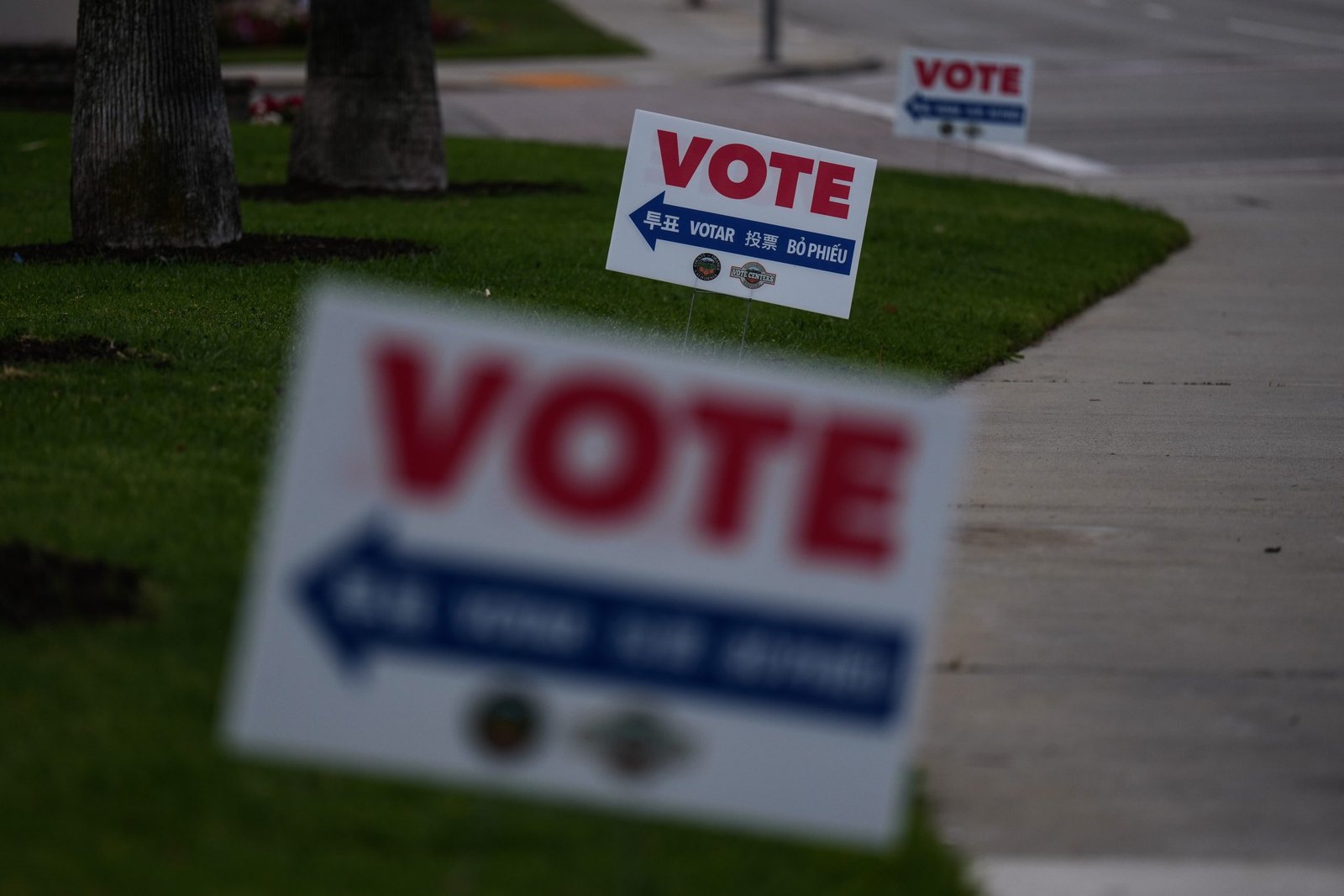
WASHINGTON — The U.S. Postal Service has issued a new rule that could impact Minnesota’s mail-in and absentee ballots ahead of this year’s midterm election.
It offers states a dire choice: give the USPS lists of all voters who would receive mail ballots or risk losing the ability to mail those ballots.
More than 1.3 million Minnesotans voted by mail or absentee ballot in the 2024 election, according to the Minnesota Secretary of State’s office.
The proposed rule by the independent government agency also lays out other new conditions that states would have to meet to send ballots through the mail and gives the USPS unprecedented authority over federal elections.
The postal service issued the rule in response to a directive President Donald Trump issued March 31 because of what the president insists — without proof — is widespread fraud in American elections.
Related: Postal workers rally to raise alarm about Trump plans to privatize postal service
“To enhance election integrity via the United States Mail, additional measures are necessary,” Trump’s executive order said.
It said the Department of Homeland Security would provide states with a “Citizenship List” of “individuals confirmed to be United States citizens who will be above the age of 18 at the time of an upcoming Federal election and who maintain a residence in the subject State.”
But the USPS rule would seem to give states more leeway, leaving states in charge of deciding which voters end up on the lists submitted to the agency through “State-Specific Participation Lists.”
“Under this proposal, states would retain full control over who would (or would not) be able to vote by mail in federal elections within each state,” the proposed rule says.
Trump’s executive order also calls for “secure ballot envelope identifiers,” such as bar codes, on ballots and envelopes.
The USPS rule would require the identifying bar codes.
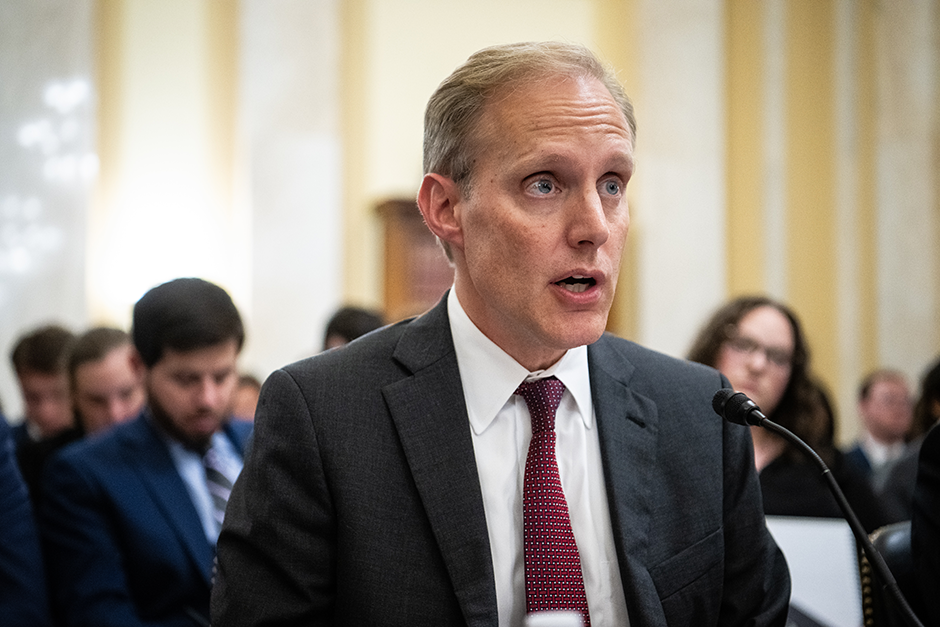
Minnesota Secretary of State Steve Simon, who has resisted Trump administration requests for information about state voters, said the president does not have the authority to make unilateral changes to election laws.
“The U.S. Constitution gives states and Congress the responsibility to make laws on elections,” he said in a statement. “Our office has helped stop his actions before and we are now exploring our legal options to stop this new order from taking effect.
Simon also said that voting by mail is secure and trustworthy and that millions of Minnesotans have used this service for decades.
Minnesota is also among 23 Democratic states that are suing Trump and his administration to block any new rule by the postal service regarding mail in ballots. Like Simon, the states say the president has no authority to do what he has told the USPS to do.
“The Constitution assigns primary responsibility for federal elections to the States, subject only to preemption by Congress,” their lawsuit said.
The new mail-in voting rules would not apply to primary elections, which Trump’s executive order concedes are the responsibility of state parties. They would, however, apply to all other federal elections.
GOP lawmakers call for Walz, Ellison to resign
Rep. Tom Emmer, R-6th District; Pete Stauber, R-8th District; Michelle Fischbach, R-7th District; and Brad Finstad, R-1st District, were again united this week in backing a Trump initiative when they called for the resignation of Gov. Tim Walz and Attorney General Keith Ellison.
The lawmakers sent a letter this week to the Democratic officials that said “Minnesotans have endured your failures for far too long.”
“As members of the Minnesota Republican delegation, we believe the confidence necessary to effectively govern has been irreparably damaged,” the letter said. “We therefore urge you to resign from office immediately. Minnesota deserves leadership that will restore accountability, rebuild public trust, and ensure that taxpayer dollars are protected from waste, fraud, and abuse.”
The calls for the resignation of these top Democratic state officials came after the release of a report by the GOP-led House Oversight and Government Reform Committee on fraud in Minnesota’s social service programs that accused Walz and Ellison of looking the other way.
Armed with the report, which a Walz spokesman called a “joke” and Ellison a “partisan” stunt, Vice President JD Vance referred it to the Justice Department for criminal prosecution.
But don’t expect Walz or Ellison to abandon their offices.
“Vice President Vance’s referral is a partisan stunt from an administration that uses the machinery of government to target its perceived opponents while extending leniency to those aligned with its interests,” Ellison said.
Minnesota, and especially its Democratic officials and federal lawmakers, have become a punching bag for Trump and his MAGA followers.
Related: Minnesota’s elections should be run in Minnesota
Finstad, who is facing a tougher-than-expected challenge from Democrat Jake Johnson and who needs to motivate the GOP base, was the lead on the letter demanding the resignations of Walz and Ellison.
If the Justice Department decides to file criminal charges against Walz, it would be the second case federal law enforcement officials have opened on the governor.
The DOJ has already opened criminal probes into the state’s Democratic leadership — including Walz and Minneapolis Mayor Jacob Frey — accusing them of impeding federal immigration actions.
In other news:
▪️Reporter Shadi Bushra wrote about a “lottery” known as the “Refugee Roulette” in which the state’s Russian immigrants are winners even as those from other countries now have little chance of a successful application for asylum.
▪️State Government reporter Matthew Blake has a story about how the state is scrambling to recertify more than 3,400 Medicaid providers who were disenrolled because they serve in programs that are at high risk of fraud.
▪️Vice President JD Vance asked the Justice Department to investigate Gov. Tim Walz and Attorney General Keith Ellison following the release of a scathing report by the House Oversight and Government Affairs Committee. That panel is led by Rep. James Comer, R-Ky., one of Trump’s fiercest attack dogs on Capitol Hill.
▪️Greater Minnesota reporter Brian Arola wrote that while the Hennepin County Medical Center emerged from the legislative session as an obvious winner, Greater Minnesota hospitals have not been as lucky as Medicaid dollars shrink and they face other financial pain.
Please keep your comments, and any questions, coming. I’ll try my best to respond.Please contact me at aradelat@minnpost.com.
The post D.C. Memo: Postal service seeks voter lists from states — or else appeared first on MinnPost.
WASHINGTON – A Republican-led House panel completed its probe into allegations of fraud in Minnesota’s social service programs and urged Vice President JD Vance to dive deeper into a matter it said was ignored by Gov. Tim Walz for political reasons.
The House Oversight and Government Affairs Committee, led by Rep. James Comer, R-Ky., has been investigating allegations that Walz and Attorney General Keith Ellison ignored rampant fraud in the state’s social service programs, which are funded wholly or in part by federal dollars.
The 205-page document alleged that little was done to stop fraudulent activity – including false vendors and kickbacks.
Related: Nonprofit fraud: Amid high‑profile prosecutions, an accountant explains what’s really going on
The report released Monday, titled “The Cost of Doing Nothing: How Tim Walz and Keith Ellison Fueled Minnesota’s Fraud Explosion,” appears to contain little new from a preliminary report released in March.
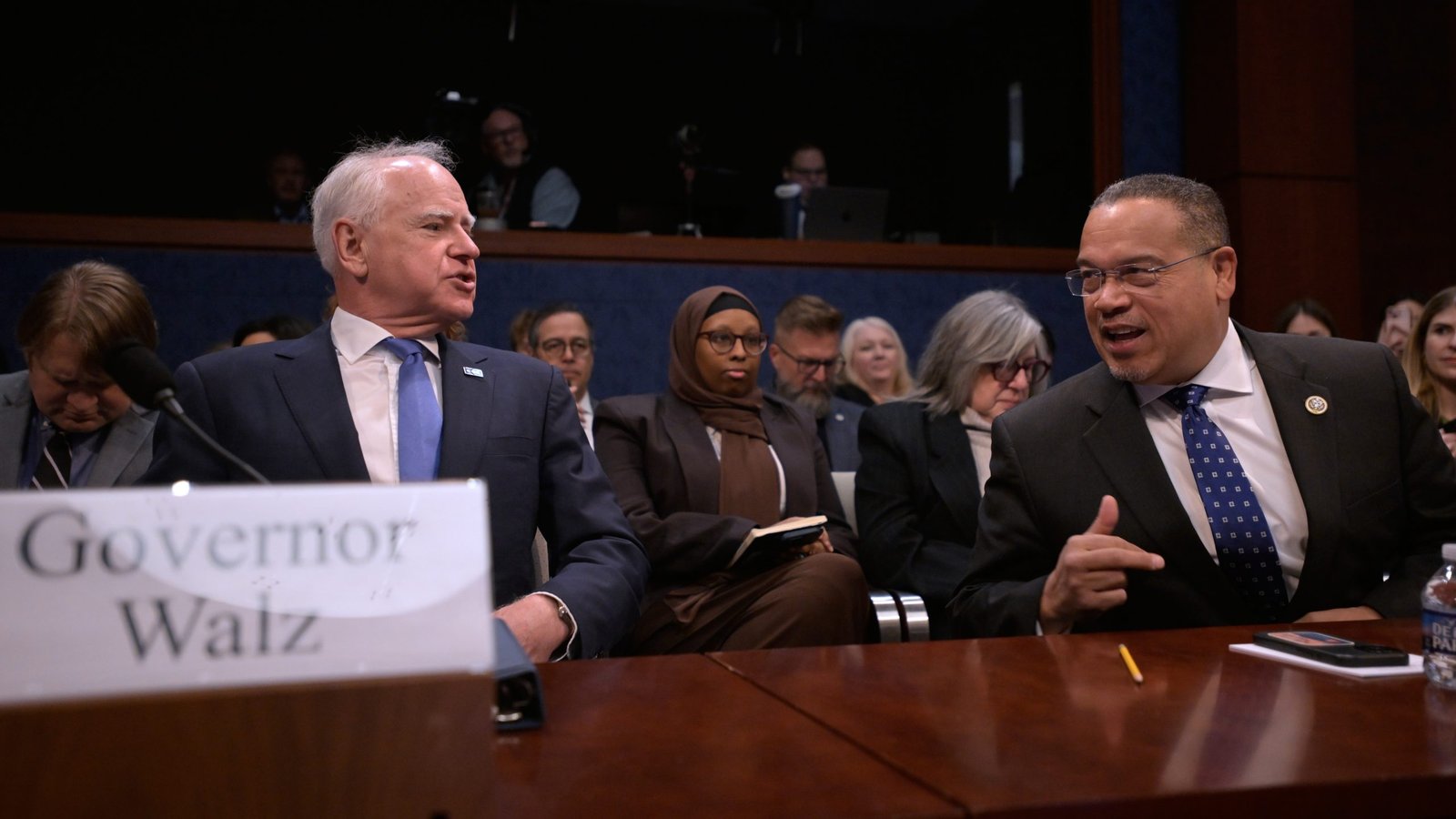
Walz and Ellison, both of whom have appeared before Comer’s committee, have denied the allegations.
“Republicans in Congress issued a report riddled with inaccuracies and misrepresentations in an effort to politicize the issue of fraud, instead of actually helping Minnesota protect tax dollars and go after fraudsters,” said Ellison spokesman Brian Evans.
Testifying before lawmakers in March, Walz admitted that fraud happened on his watch but said some of the problems may have predated his administration. He also said he was taking steps to prevent it from occurring again.
Walz spokesman Teddy Tschann called Comer’s panel “nothing more than a joke” and said its allegations were meant to “distract from endless wars, gas prices, ICE and the president’s insider trading.”
“Gov. Walz is glad to see fraudsters are going to prison,” he said. “If the committee is concerned about corruption, they should investigate why President Trump continues to let fraudsters out of prison.”
Related: Walz, Ellison defend efforts to fight fraud and decry Operation Metro Surge at contentious U.S. House hearing
The wrap-up of the congressional investigation does not mean an end to the probes.
Comer, in a letter to Vance, who is heading a new anti-fraud panel, urged him “to conduct a thorough review of all of Minnesota’s social services program integrity measures, oversight processes, reimbursements, and enrollment from 2019 to the present.”
But there is a question of how much more scrutiny can be applied to Minnesota’s social service programs, which are already under investigation by the Trump administration with millions of federal dollars withheld as a result of those probes and billions more under threat.
‘A Smoking Gun’
The report drew on congressional testimony and private interviews of former and current Minnesota agency officials and emails from anonymous “whistleblowers” who said they faced retaliation when they sought to report fraud.
Among those questioned behind closed doors was former DHS Commissioner Tony Lourey, who testified that he communicated with Chris Schmitter, Walz’s former chief of staff, in 2019 about concerns involving the Child Care Assistance Program, non-emergency medical transportation and other state programs.
Former DHS Commissioner Jodi Harpstead also told the panel’s investigators that she reported fraud concerns to the governor’s office and the attorney general’s office, according to a transcript of her interview.
The report also rehashed the Feeding our Future scandal, a pandemic-era scheme to steal money that was meant to feed children.
It also said Walz and Ellison were “aware of credible and systemic fraud in Minnesota’s social services programs as early as 2019 but failed to take action to protect taxpayer funds.”
And it said the governor and attorney general took no action to protect Minnesota’s Somali community and protect them from losing its political support. Many of the defendants in the Feeding our Future scandal are Somali.
Evans said Ellison “fought fraud wherever possible and as soon as he was able to.”
With authority over Medicaid fraud, Ellison has convicted more than 340 Medicaid fraudsters, Evans said.
“In fact, Attorney General Ellison’s Medicaid Fraud Control Unit regularly ranks as one of the most effective Medicaid fraud-fighting units in the nation,” Evans said.
Evans also said that in areas where Ellison has not had criminal jurisdiction, he has defended the state from frivolous litigation filed by fraudsters to hide their schemes, assisted federal authorities in their investigations and used his authority to regulate charities to investigate and shut down charities used to perpetrate fraud.
Last month federal officials announced criminal charges against 15 people in connection with Medicaid fraud schemes in Minnesota that involved more than $90 million.
Medicaid providers appeal
Facing the threat of losing $2 billion in federal money for its Medicaid program, known in Minnesota as Medical Assistance, DHS has disenrolled about two-thirds of more than 5,400 providers in 14 categories of Medicaid services that were considered “high-risk” for fraud.
Related: Woman at center of sprawling Minnesota fraud case gets nearly 42-year prison sentence
On Monday, DHS said nearly 2,000 disenrolled providers have appeals in progress already, “with more coming in daily.”
Minnesota’s food stamp program is under investigation, as are other social service programs, including school meals and daycare services. The Trump administration has already withheld about $185 million in childcare funds.
Rep. Tom Emmer, R-6th District, whose son Jack Emmer is a prosecutor on the House Oversight and Government Affairs Committee, praised the panel’s work in a statement.
“Fraudsters may be holding the smoking gun, but Tim Walz and Keith Ellison handed it to them, locked and loaded,” Emmer said.
The post House Oversight Committee accuses Walz, Ellison of ‘fueling’ Minnesota’s fraud explosion appeared first on MinnPost.
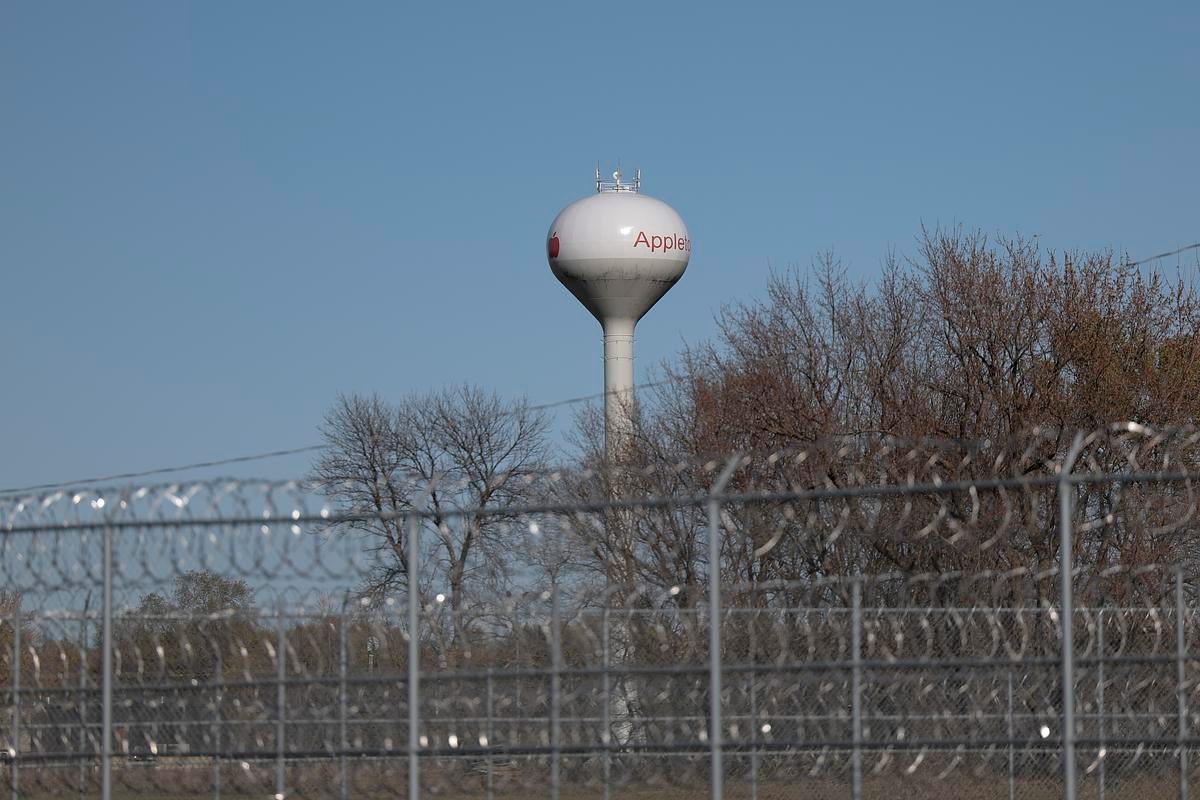
Appleton’s private prison posted job openings for warden and security positions this week as the federal government continues to eye the facility for immigration detention.
Although prison owner CoreCivic hasn’t finalized a contract with the U.S. Department of Homeland Security, the company was named by the agency Thursday in a post seeking a contractor to take detainees from Fort Snelling.
“ICE intends to procure these detention services,” the posting stated. “Core Civic is the sole owner and operator of the Prairie detention facility that meets ICE requirements in the timeframe.”
Related: For some in this western Minnesota city, an ICE detention center would bring economic promise — and moral compromise
Closed since 2010, the 1,600-bed Prairie Correctional Facility has long been a candidate to support the Trump administration’s immigration enforcement goals. Job postings and the contract solicitation mark the most concrete steps toward it becoming reality.
CoreCivic posted positions for assistant warden, chief of security and chief of unit management. A spokesperson for the company confirmed that the company is looking to “build a potential applicant pool, should the facility become operational at some point in the future.”
On Friday afternoon, the job postings had been removed from CoreCivic’s website.
“CoreCivic continues to market our Prairie Correctional Facility (PCF) and explore opportunities with our government partners for which this site could be a viable solution,” stated Ryan Gustin in an email. “We have continued to take steps to ensure the facility is properly maintained. There are no other updates or announcements to provide at this time.”
He added that “out of respect for government officials who may have visited or expressed interest in the facility, we suggest that you contact those agencies directly.”
The point person identified on the government posting didn’t immediately respond to an email. MinnPost also reached out to a DHS spokesperson and hasn’t received a response.
Appleton’s prison was once the largest employer in the Swift County city. The city’s population swelled when it was open and dropped precipitously when it closed.
Outside of seeing occasional activity at the prison, Appleton’s city administrator, John Olinger, didn’t know of firming up plans for the site. As a private prison, the city doesn’t control its usage other than ensuring it is appropriately zoned.
“The last I heard was things had slowed down because at the federal level there was a lot of change up in the leadership,” he said.
Related: ICE eyes shuttered Appleton prison as it plans massive expansion of immigrant detention centers
The Trump administration ousted DHS Secretary Kristi Noem in March. She had overseen Operation Metro Surge, a targeted enforcement push against the Twin Cities and Greater Minnesota.
As the Trump administration scaled up arrests and deportations, CoreCivic positioned itself to be ready to reopen the prison in Appleton. The company has 30 contracts related to immigration detention across the country, including a Dilley, Tex., prison where Minnesotans have been transported after arrest.
CURE, a Montevideo-based nonprofit, released a statement expressing disappointment and alarm at plans to reopen the prison as an ICE detention center. It called on ICE to halt plans, or for local and state officials to intervene against it.
“We saw this winter how ICE and its detention network are being used to systematically deprive people of their rights, often without regard to legal status,” the statement read. “The Trump administration’s push for a vast private prison network erodes our democracy. We do not want the Appleton prison to become part of the ICE machine.”
The facility would strain local housing, health care, public safety and other city and county resources, according to CURE.
“Rural communities should not be left to manage the fallout of federal detention expansion while private prison corporations garner all the benefits for their investors,” it stated.
Washington correspondent Ana Radelat contributed to this report.
The post Appleton prison seeks job applicants amid renewed federal interest in facility for immigrant detentions appeared first on MinnPost.