WASHINGTON – President Donald Trump’s decision to impose steep tariffs on a long list of goods from Canada is having an impact on the midterm elections, especially in northern border states.
In Minnesota, the new trade war has not turned into a political brawl. But the potential is there for Trump’s tariff policy to become a key campaign issue.
Canada is Minnesota’s largest overseas trading partner and the trade impasse is likely to have a negative impact on the state. Minnesota imports roughly $13 billion in Canadian goods while exporting $5 billion worth of goods to Canada every year.
So, after DFL attacks, GOP gubernatorial candidate Lisa Demuth was forced to clarify comments she had made at a campaign event last week that seemed sympathetic to the new duties with a statement that said she doesn’t support Trump’s tariffs on Canadian goods.
While Minnesota Republicans are tiptoeing around the issue, some of their GOP colleagues are more emphatic.
Besides roiling some border states, the politics of the new trade war is sweeping across agriculture-heavy states that have already been hurt by Trump tariffs, like North Carolina and Iowa, where Republicans are distancing themselves from the president’s signature trade policy.
Sen. Susan Collins, R-Maine, who is in a tough reelection battle, said imposing 50% tariffs on $20 billion worth of Canadian goods — over which Ottawa has retaliated by placing 50% tariffs on $20 billion of U.S. products — is “a mistake.”
Alaska Republican Sen. Lisa Murkowski also opposes tariffs on Canadian goods while in Michigan, after attacks by his Democratic opponent, GOP U.S. Senate candidate Mike Rogers rolled back a bit from his support of Trump’s trade policy, saying “tariffs are necessary, but are not a one-size-fits-all solution.”
Related: D.C. Memo: Canada goes elbows up in trade war
Meanwhile, Minnesota’s congressional Republicans have not said much about the U.S.-Canadian trade war. None of them responded to requests for comment.
University of St. Thomas economics professor Tyler Schipper said many Minnesota politicians are not making the U.S.-Canada trade war a big deal because the impact of the new duties have not been felt yet.
Canada’s retaliatory tariffs do not take effect until Sept. 8 and Ottawa has taken potash — a key fertilizer used by Minnesota farmers — and energy off the table.
And the automobile tariffs imposed by both countries would not go into effect until Jan. 1.
“Because effects are somewhat limited right now, it allows politicians not to talk about the issue,” he said.
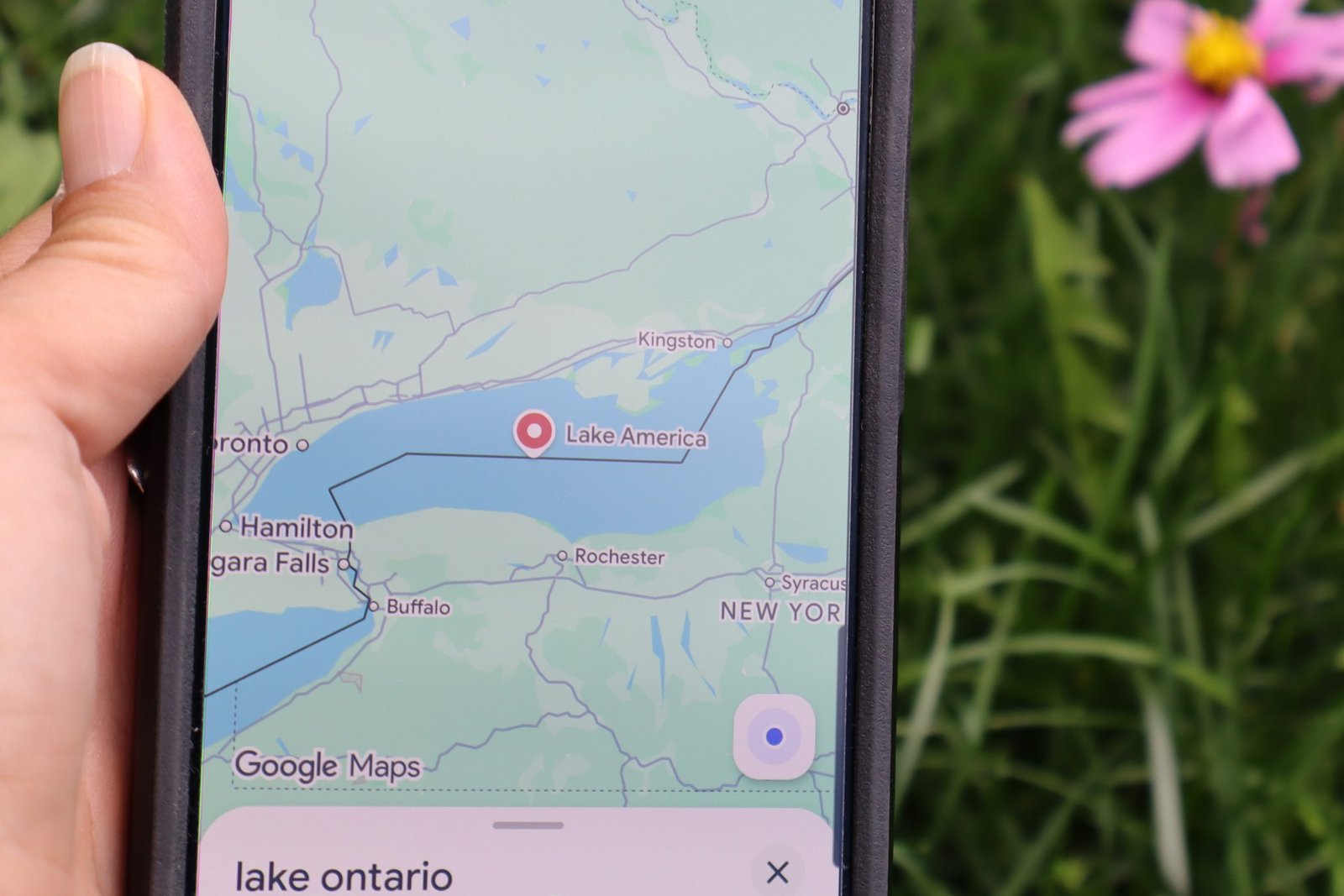
Schipper warned, however, that an escalation of the trade war, which has prompted Trump to “rename” Lake Ontario to “Lake America,” could move up the deadlines for the imposition of certain tariffs and broaden them to include commodities Minnesotans are more dependent upon.
Schipper said Minnesota tourism has already felt the impact of the soured relationship with Canada.
“But even if the effect is small right now, tariffs add to an environment where people are already concerned about affordability, and that won’t go well for politicians who support tariffs,” Schipper said.
University of Minnesota-Duluth political science professor Tim Lindberg said another reason the issue has not resonated as much in Minnesota is that it is unlike other border states where Republicans are under threat to lose a U.S. Senate or U.S. House seat.
So the Canadian government has been careful to place tariffs on U.S. imports in a way that has maximum political effect.
“We are picking products that will target states in the United States,” said Melanie Joly, Canada’s industry minister, when she announced the retaliatory tariffs last week.
Besides the ongoing war in Iran and other policies that have shaken the GOP base, including the decision to import beef from overseas — a move American ranchers say undercuts them — the tariffs add to the worries of Republican elected officials, especially those in tight races.
“This is another example of how Republicans are having trouble this year with what Trump is doing and how he’s doing it,” Lindberg said. “So, if they can’t strongly agree with something, the best thing is not to say anything at all.”
‘In the short term … it stinks’
Minnesota Republicans have supported Trump’s tariffs on Canada before.
After Trump imposed 25% tariffs on a list of Canadian goods last year, Rep. Tom Emmer, R-6th District, told respondents on a telephone town hall that he supported the duties that would “improve the environment” for American companies and their workers.
In February, a resolution was approved by the U.S. House that would end the tariffs Trump imposed on Canada last year. All of Minnesota’s Republican members of Congress voted against that resolution.
“While I value the strong trading relationship we share with Canada, political posturing by House Democrats in an effort to terminate President Trump’s authority to address serious national security concerns, from fentanyl trafficking to illegal immigration, would significantly weaken our ability to secure the border …” Rep. Brad Finstad, R-1st District, said in a post on X.
Democratic challenger Jake Johnson has repeatedly criticized Finstad for his support of the president’s tariffs.
The resolution rejected by Minnesota’s lawmakers — which was supported by several other Republicans — was not considered in the U.S. Senate and has not become law.
Last year, Sen. Amy Klobuchar, D-Minn., succeeded in winning approval for a separate Senate resolution that would lift U.S.-imposed tariffs on Canada. But that legislation was not taken up by the U.S. House.
While Minnesota Republicans are still wrestling about how to respond to the U.S.-Canada trade war, the state’s Democrats have strongly criticized the imposition of new tariffs on Canada.
“Canada is not the 51st state,” Rep. Betty McCollum, D-4th District, said on X. “It’s a sovereign, democratic nation — and one of our closest allies. We share history, culture, and borders. They are a treasured neighbor, friend, and close ally. President Trump’s decision to bully Canada and impose steep tariffs is a huge mistake, and all of us will pay for it.”
McCollum joined Rep. Kelly Morrison, D-3rd District, and about 80 other House Democrats in sending a letter to Trump that urged an end to the trade war.
“Recent tariffs, continued threats of additional trade restrictions, and increasingly adversarial rhetoric are creating uncertainty for businesses, workers, farmers, and consumers on both sides of the border,” the letter said.
Lt. Gov. Peggy Flanagan, a Democrat battling Republican Michele Tafoya for retiring Sen. Tina Smith’s U.S. Senate seat, said the new levies Trump is placing on Canadian goods is “just the latest example of Trump’s disastrous trade policy that is jacking up prices for American consumers and ruining export markets for Minnesota farmers and businesses.”
“What we need is a serious trade policy that focuses tariffs on the real cheats like China, not punishing our longtime allies like Canada to satisfy Trump’s ego,” Flanagan said in an emailed statement.
While Tafoya’s campaign did not respond to a request for comment, the Republican Senate candidate voiced support for Trump’s trade policy last month at Farm Fest. However, she said “in the short term, it causes disruptions, and that stinks.”
Schipper said there are still plenty of voters who support Trump’s tariff policy, even as “economists have gotten the message that tariffs raise prices for consumers.”
“But some Republicans believe that tariffs will result in jobs coming back to the United States even if there’s not good evidence that manufacturing is coming back, at least not in any timeline that is meaningful,” he said.
The White House is trying to allay GOP concerns about the impact of the new tariffs on Canada, and the Trump administration’s trade policy on midterm elections.
U.S. Trade Representative Jamieson Greer is meeting with a large group of U.S. House Republicans this week to try to calm those waters.
The post U.S.-Canada trade war looms as issue in Minnesota midterm elections appeared first on MinnPost.
Leave a Reply