WASHINGTON – One item frequently cited as being impacted by the trade war that broke out this week between Canada and the United States is the hockey stick.
Hockey sticks are listed among the products imported from Canada subject to a 50% tariff. Canada has retaliated with its own 50% tariff on hockey sticks made in the United States. But those levies are largely symbolic.
That’s because most hockey sticks used by the NHL and amateur players of the sport in the United States and Canada are now made in China, with some also manufactured in Vietnam, Pakistan and Mexico.
The reason? Hockey sticks were once made of wood, such as those made of durable 21-ply laminated Finnish birch by Christian Brothers in Warroad. But now most are made of carbon fiber, and few are manufactured in either the United States or Canada.
David Elliot, co-owner of Haggard Hockey in Fargo, said he imports most of his sticks from China. He said the difficult process of making a carbon fiber hockey stick, which includes climate-controlled factories, makes it difficult for them to be manufactured in the United States or Canada, although there is some production in both countries.
As far as the new trade war, a result of unfruitful trade talks between the United States and Canada, Elliot hopes it benefits him as fewer sticks will be imported from Canada.
“I’m hoping (the trade war) is more disruptive for our sake,” he said.
Canadian counter tariffs to hit Minnesota farmers
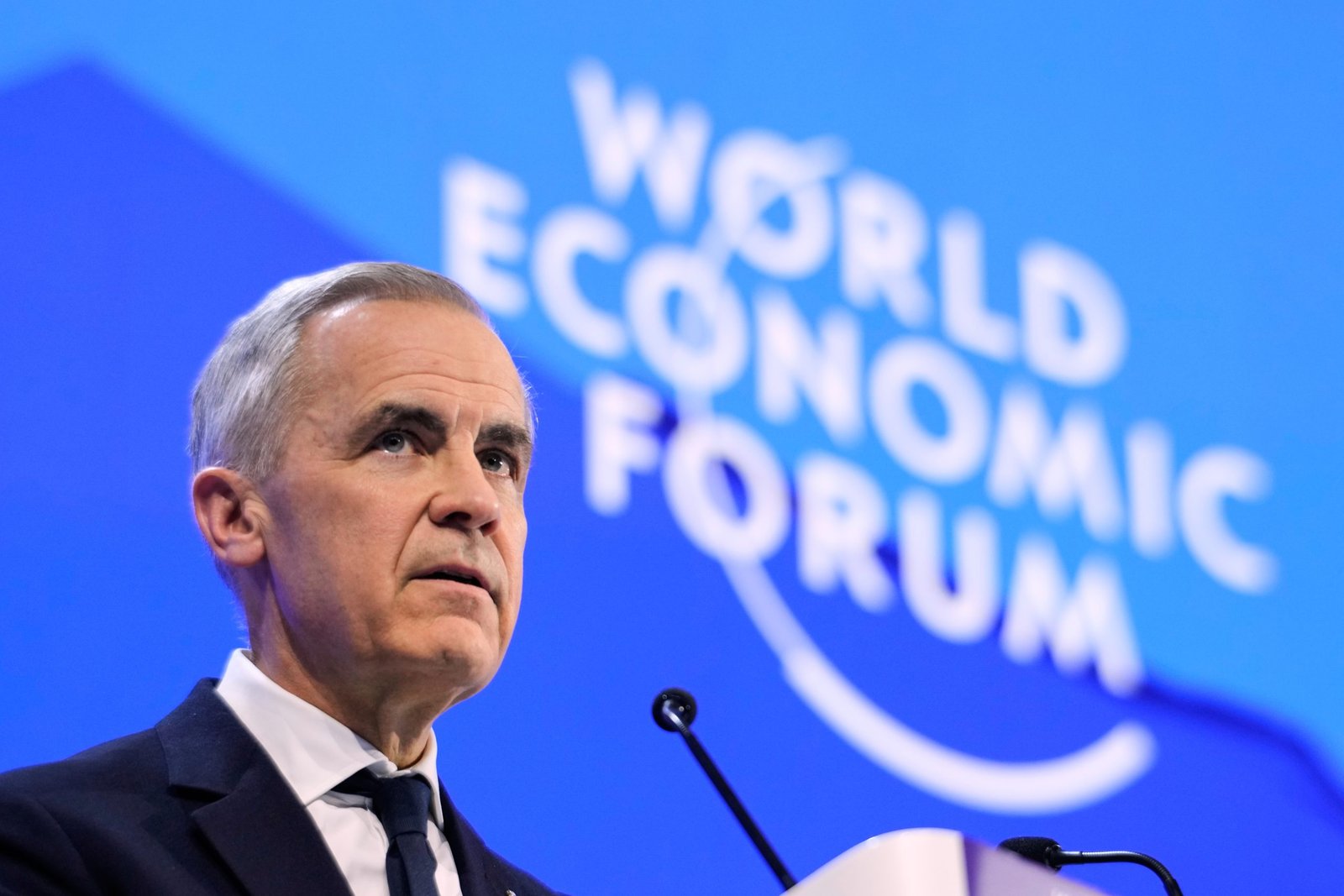
Other industries, especially in border states like Minnesota that trade heavily with Canada, are dismayed by the impasse, which was touched off after Canadian Prime Minister Mark Carney walked away from trade talks with the United States because he said Washington was asking for too many concessions, especially involving auto manufacturing.
Minnesota imports about $13 billion of Canadian goods every year and exports about $5 billion in goods to its northern neighbor.
The popular fertilizer potash and oil and other fuels are at top of the list of items the Trump administration has exempted from tariffs.
But Alyanna Jones, an international trade economist with Peacock Tariff Consulting, a firm with offices in the United States and Ontario, said the trade war is likely to escalate and those imports may eventually also be subject to the 50% levies.
Minnesota would be hard hit by Trump trade war with Canada and Mexico
As it stands, Minnesota’s agricultural sector is likely to be affected the most severely, said Brennan Fitzgerald, who like Jones is an international trade economist at the firm that advises businesses on tariff compliance and mitigation.
Fitzgerald said the state’s farmers will be hurt by a sharp increase in heavy farm equipment that is manufactured in Canada.
Like many automobiles, heavy farm equipment travels back and forth between factories in the United States and Canada before it is finished. Now new tariffs will be charged every time that equipment crosses the border.
Agriculture products, including pigs, also cross the border. And the state’s soybean farmers “will be heavily impacted” as they are likely to lose another market for their product, Fitzgerald said.
Data shows Minnesota has paid a steep price for Trump’s tariffs
The trade war will also sharply increase the price of lumber and paper products from Canada, hurting new home construction and renovations.
In summation, a lot of products are going to be more expensive.
The situation could also result in a black-market and the smuggling of certain goods across Minnesota’s border with Canada.
“I think you will see that happening,” Fitzgerald said. “Companies have been punished by the federal government of both sides. So, I would not be surprised if there are alternatives.”
Trump imposed tariffs on Canada shortly after he began his second term last year and Canada retaliated. But the tariffs were only 25% and many products were exempted from the levies.
Canadians responded to that first round of tariffs with boycotts of U.S. alcohol, vegetables and cross-border travel. Meanwhile, Carney looked for new bilateral trade relationships with other nations.
The defiance appears to be even stronger this time, with Carney and many Canadians adopting an “elbows up” (to use a hockey phrase) response to what they consider an attack from the United States.
In other news:
▪️State government reporter Matthew Blake wrote about the challenge Republican state Sen. Jim Abeler faces as he seeks reelection this year.
▪️Metro reporter Trevor Mitchell has a story about how many of the boards in Minneapolis and St. Paul that make decisions on which local projects get a green light are consistently short on members and lack attendance.
▪️President Donald Trump has created a rift with the state’s cattle producers, who generally strongly support the president, with a plan to import cheaper beef from overseas.
▪️The controversial reopening of a former prison in Appleton as an ICE detention facility may fall short of economic expectations, Greater Minnesota reporter Brian Arola writes.
Please keep your comments, and any questions, coming. I’ll try my best to respond. Contact me at aradelat@minnpost.com.
The post D.C. Memo: Canada goes elbows up in trade war appeared first on MinnPost.
Leave a Reply