WASHINGTON – Food stamps were a focus of attention as a new report showed that participation in the program has dropped by more than 4 million people nationwide and the U.S. Department of Agriculture released its latest food stamp “error rate” report this week.
The Center for Budget and Policy Priorities said participation in the food stamp program, known officially as the Supplemental Nutrition Assistance Program (SNAP), dropped after President Donald Trump’s “big beautiful bill” was enacted into law about a year ago, placing new restrictions on beneficiaries.
The drop was noted even before the most impactful aspect of the bill, new work requirements, went into effect June 1.
According to the center, participation dropped an average of 10% nationally between the law’s July 2025 enactment and March 2026, based on data from the USDA. Minnesota’s participation rate fell by far less, the center’s report said — about 3.55%.
There were about 435,000 SNAP recipients in Minnesota at the end of March. And that number is expected to drop because of the new work requirements.
As of June 1, recipients must log at least 20 hours per week in paid employment or approved education, training or volunteer service.
There’s another change to the SNAP program that has been implemented by the megabill Congress approved last summer. SNAP is fully funded by the federal government, but the law will require states that have an unacceptable error rate to pay for a share of the cost of the program.
The “big beautiful bill” has already cut the administrative funds states receive from the federal government to administer SNAP, but this will cost states much more.
Error rates are an accounting of the overpayments and underpayments a state gives SNAP recipients. The USDA report released this week showed Minnesota had a 12.58% error rate, far greater than the rate Congress deemed acceptable, which is 6%.
But the average national error rate was high in 2025, too. It was 10.68%.
Minnesota and many other states now have a year to reduce the error rate or take a hit to their state budgets.
In 2024, the USDA said Minnesota’s error rate was 8.98%.
The Minnesota Department of Children, Youth and Families did not respond to a query about the state’s SNAP error rate.
But Rep. Tom Emmer, R-6th District, made use of the report to, once again, slam Gov. Tim Walz.
“Tim Walz’s Minnesota has one of the highest SNAP overpayment rates in the country,” Emmer said in a statement. “Under Walz’s so-called leadership, our overpayment rate increased by more than 50% in just one fiscal year. This is unacceptable, and if it continues, hardworking Minnesotans are going to pay the price for the Walz Administration’s total inability to manage and safeguard taxpayer dollars.”
Not bringing home the bacon
The U.S. Senate released a draft version of its farm bill this week that does not include one key Democratic demand – a measure that would reverse the requirement that would soon force some states to cover some food stamp costs.
Democrats on the Senate Agriculture Committee, including Sen. Amy Klobuchar, have vowed to oppose any farm bill that does not include that measure.
“Senate Agriculture Committee Democrats have been clear that a Farm Bill must meet the needs of both farmers and families across America,” the panel’s Democratic members said in a statement. This bill does not address the devastating cuts to SNAP or the shift to state taxpayers passed into law … .”
The statement also said Democrats “stand ready to work with Republicans to negotiate a bipartisan Farm Bill that both meets the moment and can be successful on the Senate Floor.”
The draft was similar to a farm bill the U.S. House approved in April. But it did not contain one provision that many Democrats opposed.
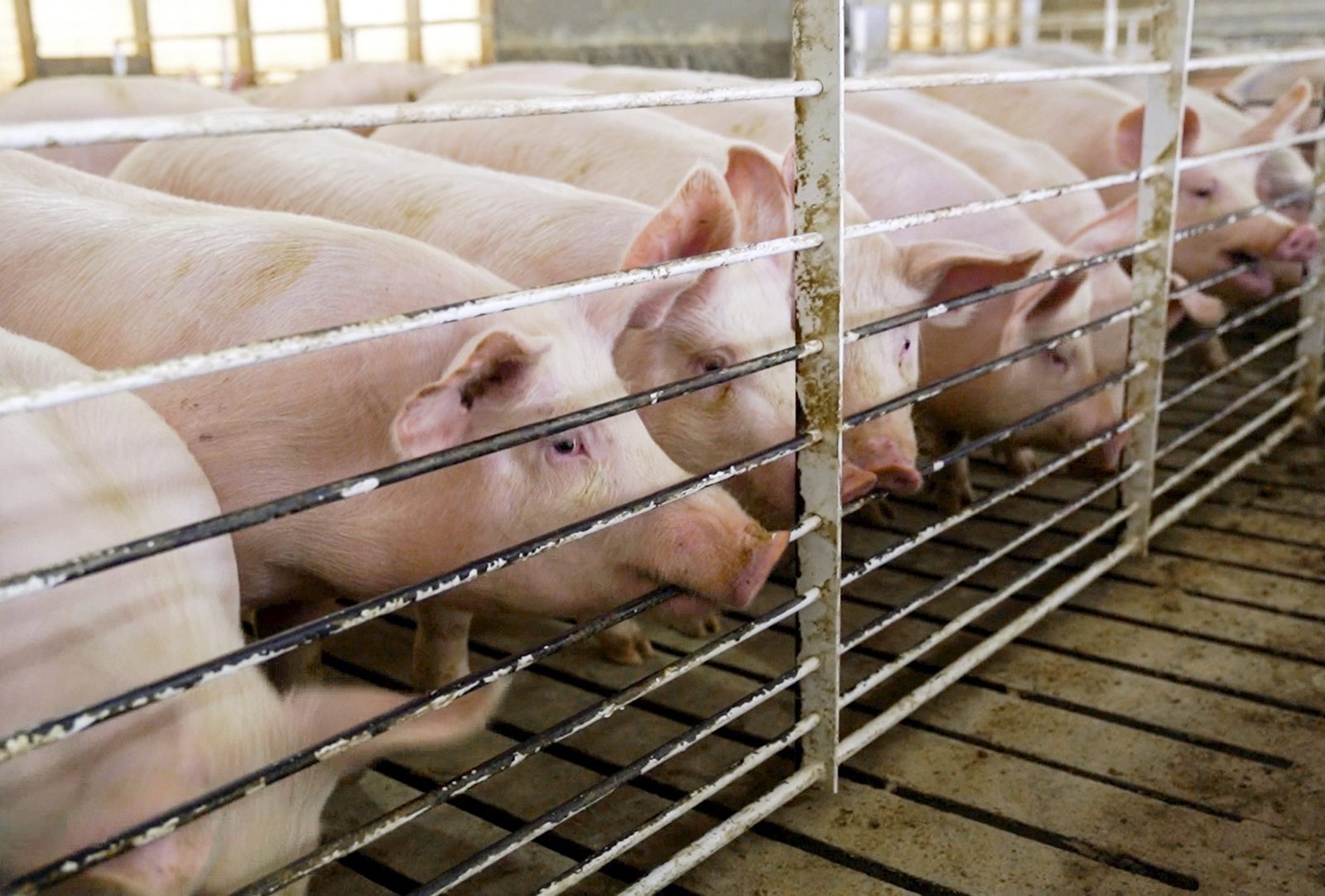
The so-called Save our Bacon Act included in the House farm bill would nullify state bans on imported pork and other meats that come from livestock raised in inhumane conditions.
The move to put a federal ban on states that limit imports of farm products for humane reasons comes from a law passed by California that was a result of a ballot initiative called Proposition 12. But other states have also placed similar restrictions.
When the Senate has finished work on its farm bill, that legislation must be reconciled with the House’s farm bill.
In a post on X, Senate Minority Leader Chuck Schumer, D-N.Y, said he would not accept a final bill that contained the Save our Bacon Act.
“I OPPOSE the Save Our Bacon Act and any attempt to jam it into the Farm Bill,” Schumer said. “This bill would gut state food safety and animal welfare laws, wipe out voter-approved protections, and strip states like NY of the right to set basic standards.”
Schumer called the livestock legislation “a giveaway to Big Ag and meat monopolies, punishing family farmers who followed the rules, while giving the biggest corporations more power to squeeze farmers and families.”
The Senate Agriculture Committee’s decision to keep the Save our Bacon Act out of its farm bill was hailed by animal rights groups.
“The vast majority of Americans want to end animal suffering and oppose attempts to undo popular, commonsense laws that protect animals, support independent farmers and make it easier for consumers to find more humane, healthy food,” said Nancy Perry, a top lobbyist for the American Society for the Prevention of Cruelty to Animals.
In other news:
▪️Writer Forrest Peterson found that, although the nation has been entranced by the horrific condition of the water in the Reflecting Pool in Washington, D.C., there are also plenty of impaired waters closer to home. His story says state regulators are hosting public meetings throughout the summer to review 3,000 bodies of water in the state.
▪️The DFL, and national Democrats, breathed a sigh of relief when Sen. Amy Klobuchar decided to run for Gov. Tim Walz’s seat. But the popular senator, a veteran at running for statewide office, must persuade voters she can be a good administrator, and not just a skilled legislator, as she hopes to pilot a state that has undergone tough times.
▪️Meanwhile, Metro reporter Trevor Mitchell wrote that advocates say a new position in the Hennepin County Attorney’s Office aimed at helping victims of domestic abuse solves one problem while ignoring others.
▪️And Greater Minnesota reporter Brian Arola has a story about attempts to halt the establishment of data centers in the state. He writes that, after striking out at the local and state levels, activists who oppose those centers are looking to the fall elections to slow down developments.
Please keep your comments, and any questions, coming. I’ll try my best to respond. Please contact me at aradelat@minnpost.com.
The post D.C. Memo: Food stamp enrollment falls after GOP places limits appeared first on MinnPost.
Leave a Reply