Category: Uncategorized

  • Pope Francis makes first-ever papal visit to French island of Corsica in the Mediterranean

    Pope Francis makes first-ever papal visit to French island of Corsica in the Mediterranean

    AJACCIO, Corsica (AP) — Pope Francis on the first papal visit ever to the French island of Corsica on Sunday called for a dynamic form of laicism, promoting the kind of popular piety that distinguishes the Mediterranean island from secular France as a bridge between religious and civic society.

    Francis appeared relaxed and energized during the one-day visit, just two days before his 88th birthday, still displaying a faded bruise from a fall a week ago.

    He frequently deviated from his prepared homily during Mass at the outdoor La Place d’Austerlitz, remarking at one point that he had never seen so many children as in Corsica — except, he added, in East Timor on his recent Asian tour.

    READ MORE: How East Timor’s turnout to see Pope Francis compares with other papal Masses

    “Make children,″ he implored. ”They will be your joy and your consolation in the future.”

    Earlier, at the close of a Mediterranean conference on popular piety, Papa Francescu, as he is called in Corsican, described a concept of secularity “that is not static and fixed, but evolving and dynamic,” that can adapt to “unforeseen situations” and promote cooperation “between civil and ecclesial authorities.”

    The pontiff said that expressions of popular piety, including processions and communal prayer of the Holy Rosary “can nurture constructive citizenship” on the part of Christians. At the same time, he warned against such manifestations being seen only in terms of folklore, or even superstition.

    The visit to Corsica’s capital Ajaccio, the birthplace of Napoleon, is one of the briefest of his papacy beyond Italy’s borders, just about nine hours on the ground, including a 40-minute visit with French President Emmanuel Macron.

    Francis was joined on the dais by the bishop of Ajaccio, Cardinal Francois-Xavier Bustillo, who organized the conference that brought together some 400 participants from Spain, Sicily, Sardinia and southern France. The two-day meeting examined expressions of faith that often occur outside formal liturgies, such as processions and pilgrimages.

    Often specific to the places where they are practiced, popular piety in Corsica includes the cult of the Virgin Mary, known locally as the “Madunnuccia,” which protected the island from the plague in 1656 when it was still under Genoa.

    Corsica stands out from the rest of secularized France as a particularly devout region, with 92 confraternities, or lay associations dedicated to works of charity or piety, with over 4,000 members.

    “It means that there is a beautiful, mature, adult and responsible collaboration between civil authorities, mayors, deputies, senators, officials and religious authorities,’’ Bustillo told The Associated Press ahead of the visit. “There is no hostility between the two. And that is a very positive aspect because in Corsica there is no ideological hostility.”

    The visit was awash in signs of popular piety. The pope was greeted by children in traditional garb and was continually serenaded by bands, choruses and singing troupes that are central to Corsican culture from the airport, to the motorcade route, convention center and cathedral. Thousands stood along the roadside to greet the pontiff and more waved from windows.

    Renè Colombani traveled with 2,000 others by ship from northern Corsica to Ajaccio, on the western coast, to see the pope.

    “It is an event that we will not see again in several years. It may be the only time that the pope will come to Corsica. And since we wanted to be a part of it, we have come a long way″ Colombani said.

    The island, which Genoa ceded to France in 1768, is located closer to the Italian mainland than France.

    From the conference, the pope traveled to the 17th-century cathedral of Santa Maria Assunta to meet with clergy, stopping along the way at the statue of the Madunnuccia where he lit a devotional candle.

    The pope celebrated Mass beneath a looming statue of Napoleon Bonaparte, the French emperor whose armies in 1808 annexed the papal states and imprisoned two of Francis’ predecessors — Popes Pius VI and VII — before being excommunicated and eventually defeated on the battlefield. Thousands packed the esplanade where Napoleon is said to have played as a child.

    Francis will meet privately with Macron at the airport before departing for the 50-minute flight back to Rome.

    They are expected to talk about the world’s crises, including wars in the Middle East and Ukraine, and environment and climate-related issues, Macron’s office said.

    The pontiff pointedly did not make the trip to Paris earlier this month for the pomp surrounding the reopening of the Notre Dame Cathedral following the devastating 2019 fire. The visit to Corsica seems far more suited to Francis’ priorities than a grand cathedral reopening, emphasizing the “church of the peripheries.”

    It is Francis’ third trip to France, each time avoiding Paris and the protocols that a state visit entails. He visited the port of Marseille in 2023, on an overnight visit to participate in an annual summit of Mediterranean bishops, and went to Strasbourg in 2014 to address the European Parliament and Council of Europe.

    Corsica is home to more than 340,000 people and has been part of France since 1768. But the island has also seen pro-independence violence and has an influential nationalist movement. Last year, Macron proposed granting it limited autonomy.

    Associated Press writers Colleen Barry in Milan and Sylvie Corbet in Paris contributed to this report.


  • Photos: Newly-crowned world chess champion lands in Chennai

    Photos: Newly-crowned world chess champion lands in Chennai


    World chess champion lands in Chennai

    Chennai: Newly-crowned world chess champion D Gukesh returned home to an enthusiastic reception as hundreds of eager fans, and officials from the Tamil Nadu government and the national federation lined up to receive him at the airport here on Monday.

    The 18-year-old defeated China’s Ding Liren 7.5-6.5 in Singapore last week to become the youngest ever world champion, overhauling the long-standing mark set by Russian icon Garry Kasparov as a 22-year-old back in 1985.

    World chess champion lands in Chennai
    World’s youngest Chess Champion Gukesh Dommaraju upon his arrival at the airport, in Chennai, Monday, Dec. 16, 2024. Gukesh was accorded a warm welcome by his fans and supporters. (PTI Photo)
    World chess champion lands in Chennai
    World’s youngest Chess Champion Gukesh Dommaraju upon his arrival at the airport, in Chennai, Monday, Dec. 16, 2024. (PTI Photo)

    Get the latest updates in Hyderabad City News, Technology, Entertainment, Sports, Politics and Top Stories on WhatsApp & Telegram by subscribing to our channels. You can also download our app for Android and iOS.

  • Analysis: What to know about HTS, Hezbollah and Iran after Assad’s fall in Syria

    Analysis: What to know about HTS, Hezbollah and Iran after Assad’s fall in Syria

    This brief was originally published by the Council on Foreign Relations on Dec. 9, 2024.

    The ascendance of Sunni Islamist rebels in Syria should be viewed with great caution by Western powers, but the Assad regime’s collapse disables a critical node in Iran’s regional proxy network.

    Ha’yat Tahrir al-Sham (HTS) is a Sunni Islamist group. How should the U.S. and its regional allies view its ascendancy in Syria?

    With grave alarm. The U.S. State Department has long offered a $10 million reward for the capture of HTS founder and leader Abu Mohammed al-Jawlani. He fought under the notorious al-Qaeda in Iraq leader, Abu Musab Zarqawi, and subsequently spent five years in an Iraqi prison for his terrorist activities. In 2011, he returned to Syria and founded Jabhat al-Nusra, the al-Qaeda franchise in that country.

     READ MORE: Who is Abu Mohammed al-Golani, the leader of Syria’s insurgency that toppled Assad?

    As its commander, he was responsible for detention and torture of American journalist Theo Padnos (née Theo Peter Curtis) between 2012 and 2014, among other crimes. Al-Jawlani claims that HTS broke with al-Qaeda in 2016 and no longer adheres to its Salafi-jihadi ideology — a claim doubted by knowledgeable observers.

    What are the dynamics between HTS and the Islamic State remnants in central Syria?

    As noted above, HTS emerged from the older Jabhat al-Nusra founded by al-Jawlani. Al-Jawlani had resented the attempts of the self-declared Islamic State, known as ISIS, to dominate Jabhat al-Nusra, and this resulted in a permanent breakdown in relations when al-Jawlani refused to bend to ISIS founder and leader Abu Bakr al-Baghadai’s will.

    But that was a decade when ISIS was in its ascendance and could afford to ignore the upstart Jabhat al-Nusra. Today, the situation is the reverse, and with ISIS profoundly weakened, the prospect of reconciliation and even amalgamation or alliance cannot be completely dismissed.

    What does Assad’s fall mean for Hezbollah’s military power in the region?

    In the past, Syrian President Bashar al-Assad had counted upon the Lebanon-based militant group Hezbollah’s well-trained and often battle-hardened fighters to backstop Syria’s military. Hezbollah’s intervention had thus proved critical in both the suppression of the array of rebel forces challenging the regime since 2011 and in preserving the Assad family’s rule. But over the past three months, Israel’s unrelenting assault on Hezbollah’s leadership and foot soldiers has decimated the movement, rendering it incapable of rushing to Assad’s aid this past week.

    The rebel victory in Syria, led by HTS, thus poses an existential threat to Hezbollah. First, Hezbollah has lost its immensely important overland lifeline that ran from Iran through Syria to Lebanon. HTS will likely staunch the flow of Iranian weaponry and other materiel, as well as impede the ability of Iran’s Islamist Revolutionary Guard Corps and Quds Force advisors to continue to sustain and support Hezbollah.

    Second, Israel’s Air Force has reportedly already struck Iranian missile facilities in Damascus that had nourished Hezbollah’s previously formidable array of long-, medium-, and short-range missiles and rockets. Finally, with Hezbollah already severely weakened by Israel and now more geographically isolated from Iran, its myriad opponents in Lebanon, after four decades, could be emboldened to move against it and curtail its power and influence over Lebanon once and for all.

    How much is this a turning point for Iran’s “axis of resistance”?

    The loss of Syria as an ally as a base of operations, and perhaps as the most critical node in Iran’s “axis of resistance,” coupled with the likely neutering of Hezbollah, will further isolate Tehran and undermine its ability to use proxies to project power and influence throughout the region.

    Analysis: How does Assad’s ouster in Syria affect Iran’s influence over the region?

    Israel has already systematically dismantled the leadership and operational infrastructures of two out of three of Iran’s main catspaws in the Middle East (Hamas and Hezbollah). This leaves only the Houthis, situated far afield on the southern flank of the Arabian Peninsula in Yemen, as Iran’s only proxy with any kind of serious offensive capabilities.

    What does Assad’s fall mean for Hezbollah’s political influence in Lebanon?

    Hezbollah had already suffered a crushing blow with the loss of at least fifteen of its most senior leaders, including its long-time secretary-general, Hassan Nasrallah. His successor and former deputy, Sayed Naim Qassem, has none of Nasrallah’s charisma, much less combat experience and battle leadership.

    It is unlikely that Qassem has the authority or ability to lead Hezbollah out of the depths of despair it now finds itself in. All those in Lebanon who have long opposed and hated Hezbollah for its ruthless domination of the country’s politics and economy will likely seize on this opportunity to challenge its decades-long primacy.

    What should Israel and the United States be doing in the coming days and weeks in Syria?

    The United States, first and foremost, should ensure the security and protection of its nine hundred or so military personnel stationed at the al-Tanf garrison in eastern Syria along the border with Iraq. Second, and just as critical, is continuing to support our Kurdish allies in the Syrian Democratic Forces, who are currently under assault by Turkey’s Syrian proxy, the Syrian National Army. This clash between the local allies of two key North Atlantic Treaty Organization (NATO) member states is one of the ironies of the Syrian civil war and underscores its complexity and volatility.

    WATCH: Former ambassador outlines role Syria’s neighbors could play in its future

    Third, the United States, France, and other European countries should immediately earmark and prioritize greater assistance to the Lebanese Armed Forces. This urgent enhancement of their capabilities is needed to enable Lebanon’s legal, duly constituted armed forces to fill the vacuum of security left by Hezbollah’s weakening and to better defend the territorial integrity and internal security of Lebanon against potential threats from HTS, ISIS, and other Syrian-based jihadi terrorist groups.

    As for Israel, the Israel Defense Forces have already seized the strategically vital Mount Hermon and strategic towns and villages in the territory along the border with Syria to ensure that rebel jihadi forces cannot threaten Israel. The Israeli Air Force will likely continue its air strikes to prevent military assets, including chemical weapons, missile technology, and intelligence, from falling into rebel hands.

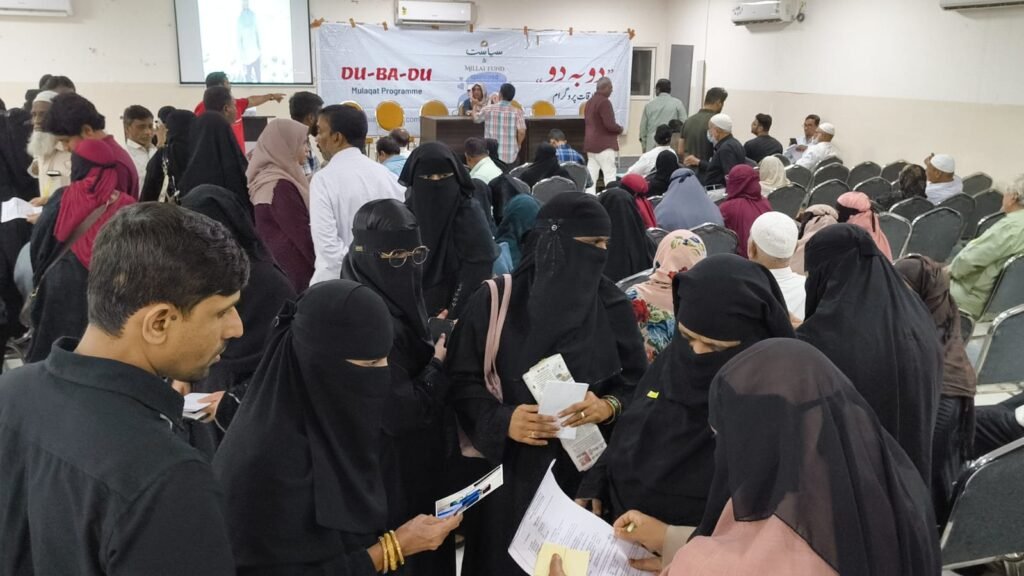
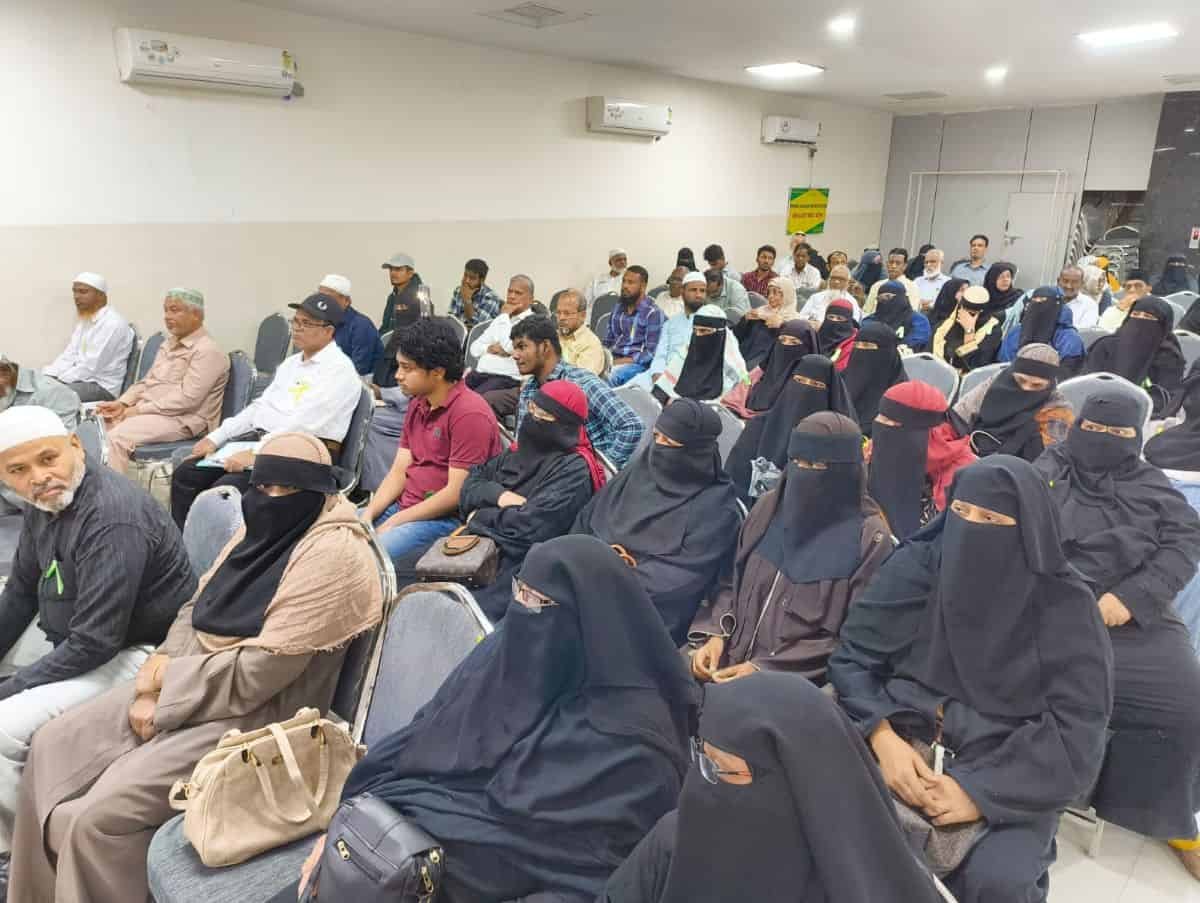
  • Photos: Siasat Millat Fund organises 138th Du Ba Du program in Hyderabad

    Photos: Siasat Millat Fund organises 138th Du Ba Du program in Hyderabad


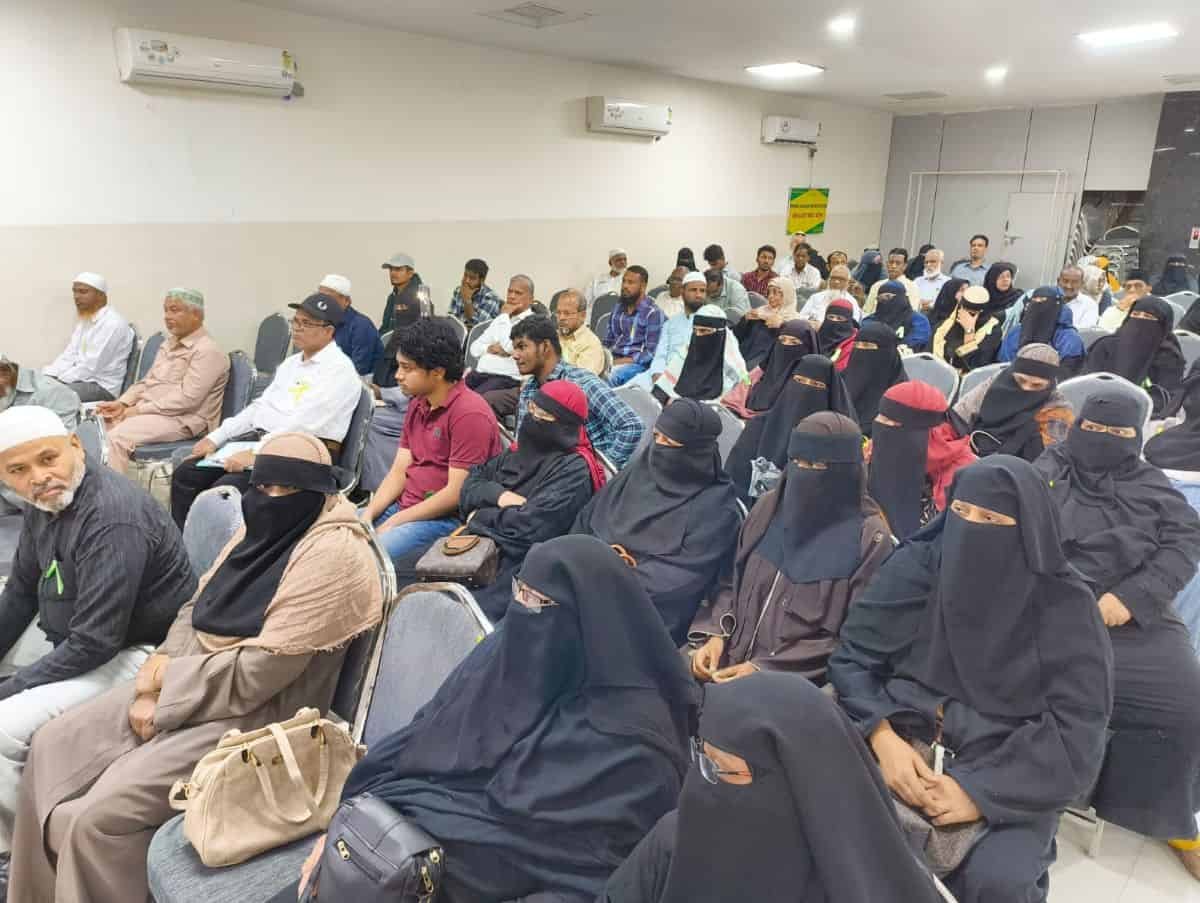
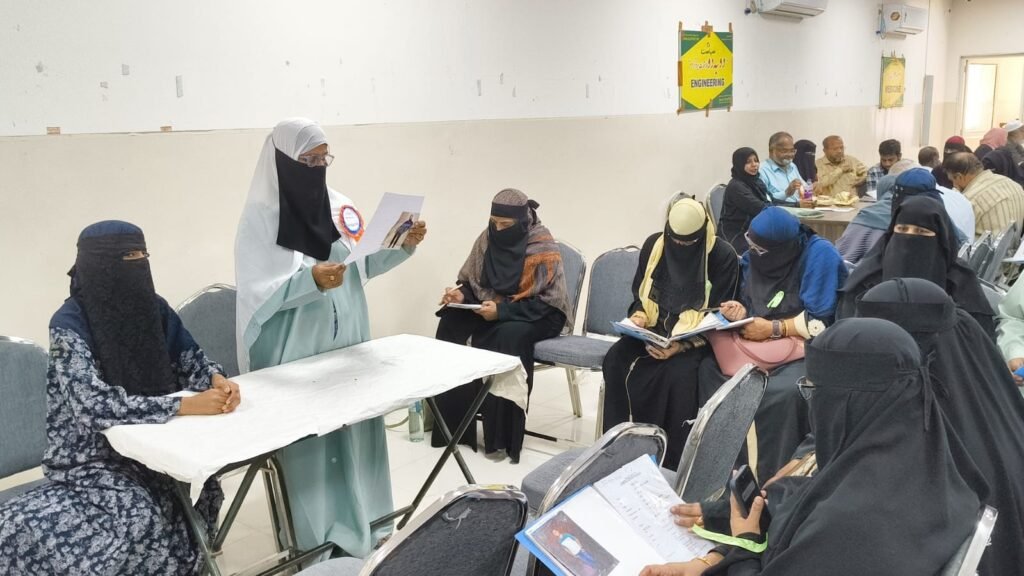
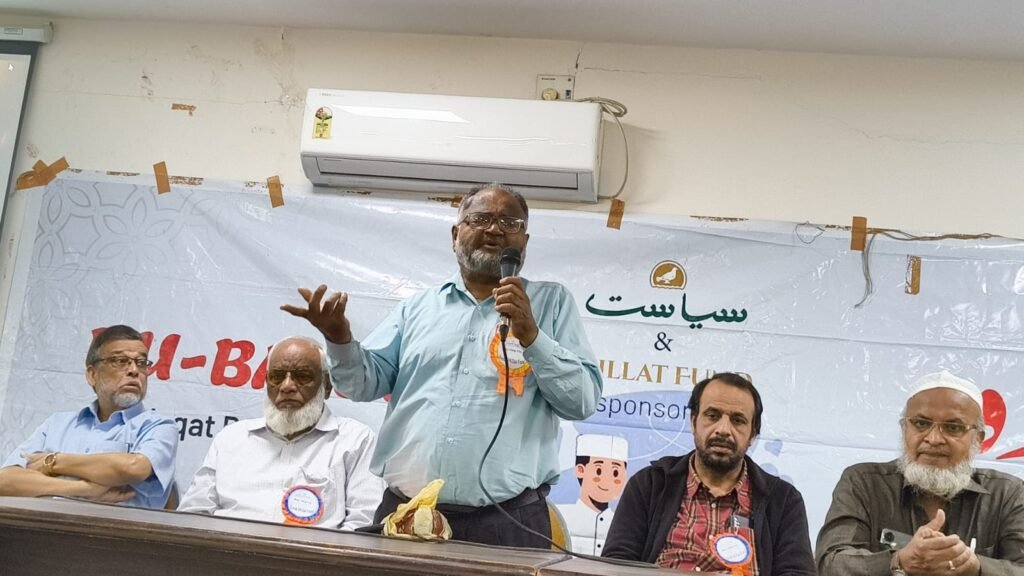
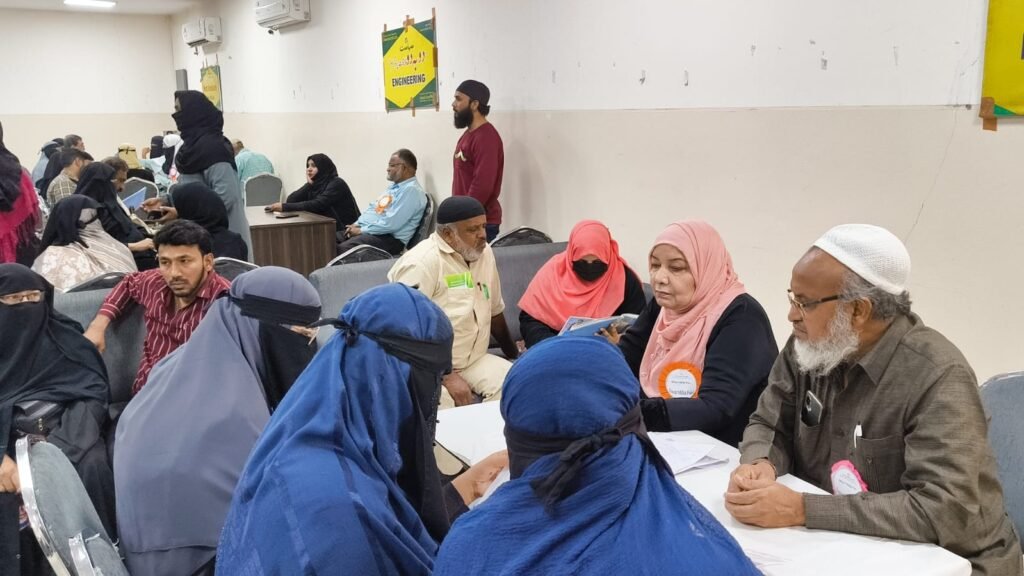
    Hyderabad: The 138th edition of the Du Ba Du Mulaqat program, organized by the Siasat Millat Fund, was held on Sunday, October 27, from 10:00 am to 4:00 pm at Abid Ali Khan Centenary Hall, located at The Siasat Daily premises.

    The event, designed to assist Muslim parents in finding suitable matrimonial alliances for their children, has become a popular platform in Hyderabad and surrounding districts.

    Siasat Millat Fund organises 138th Du Ba Du program in Hyderabad
    People at 138th Du Ba Du program in Hyderabad.
    Siasat Millat Fund organises 138th Du Ba Du program in Hyderabad
    Siasat Millat Fund organises 138th Du Ba Du program in Hyderabad
    People searching matrimonial alliance at 138th Du Ba Du program in Hyderabad.
    Siasat Millat Fund organises 138th Du Ba Du program in Hyderabad
    People checking biodata at 138th Du Ba Du program in Hyderabad.

    Get the latest updates in Hyderabad City News, Technology, Entertainment, Sports, Politics and Top Stories on WhatsApp & Telegram by subscribing to our channels. You can also download our app for Android and iOS.

  • Researchers have developed a way to break down long-lasting PFAS compounds using light

    Researchers have developed a way to break down long-lasting PFAS compounds using light


    Perfluoroalkyl and polyfluoroalkyl substances, or PFAS, have earned the nickname of forever chemicals from their extraordinary ability to stick around in the environment long after they’ve been used.

    These synthetic compounds, commonly used in consumer products and industrial applications for their water- and grease-resistant properties, are now found practically everywhere in the environment.

    WATCH: What we know about toxic ‘forever chemicals’ and how to reduce our exposure

    While many chemicals will degrade relatively quickly after they’re disposed of, PFAS can stick around for up to 1,000 years. This durability is great for their use in firefighting foams, nonstick cookware, waterproof clothing and even food packaging.

    PFAS circle

    These are a few examples of products that can contain PFAS. Graphic provided by City of Riverside, California

    However, their resilience means that they persist in soil, water and even living organisms. They can accumulate over time and affect the health of both ecosystems and humans.

    WATCH: Why decades-old, toxic PFAS foam is still contaminating northern Michigan waterways

    Some initial research has shown potential links between PFAS exposure and various health issues — including cancers, immune system suppression and hormone disruption. These concerns have led scientists to search for effective ways to break down these stubborn chemicals.

    We’re a team of researchers who developed a chemical system that uses light to break down bonds between carbon and fluorine atoms. These strong chemical bonds help PFAS resist degradation. We published this work in Nature in November 2024, and we hope this technique could help address the widespread contamination these substances cause.

    Why PFAS compounds are so hard to break down

    PFAS compounds have carbon-fluorine bonds, one of the strongest in chemistry. These bonds make PFAS incredibly stable. They resist the degradation processes that usually break down industrial chemicals – including hydrolysis, oxidation and microbial breakdown.

    file-20241126-15-pzujcd

    The carbon-fluorine bonds in PFAS, like this one, perfluoroundecanoic acid, make the molecules very stable. Graphic by Bert.Kilanowski/Wikimedia Commons

    Conventional water treatment methods can remove PFAS from water, but these processes merely concentrate the contaminants instead of destroying them. The resulting PFAS-laden materials are typically sent to landfills. Once disposed of, they can still leach back into the environment.

    WATCH: Study estimates nearly half of U.S. water supply contaminated with ‘forever chemicals’

    The current methods for breaking carbon-fluorine bonds depend on use of metals and very high temperatures. For example, platinum metal can be used for this purpose. This dependence makes these methods expensive, energy-intensive and challenging to use on a large scale.

    How our new photocatalytic system works

    The new method our team has developed uses a purely organic photocatalyst. A photocatalyst is a substance that speeds up a chemical reaction using light, without being consumed in the process. Our system harnesses energy from cheap blue LEDs to drive a set of chemical reactions.

    After absorbing light, the photocatalyst transfers electrons to the molecules containing fluorine, which breaks down the sturdy carbon-fluorine bonds.

    READ MORE: 4 things to know about regulating ‘forever chemicals’ in drinking water 

    By directly targeting and dismantling the molecular structure of PFAS, photocatalytic systems like ours hold the potential for complete mineralization. Complete mineralization is a process that transforms these harmful chemicals into harmless end products, like hydrocarbons and fluoride ions, which degrade easily in the environment. The degraded products can then be safely reabsorbed by plants.

    file-20241121-15-bf76r5

    Photocatalysis refers to accelerating a reaction by using light particles, called photons. Photo provided by Miyake Group

    Potential applications and benefits

    One of the most promising aspects of this new photocatalytic system is its simplicity. The setup is essentially a small vial illuminated by two LEDs, with two small fans added to keep it cool during the process. It operates under mild conditions and does not use any metals, which are often hazardous to handle and can sometimes be explosive.

    READ MORE: Study links ‘forever chemicals’ exposure to testicular cancer among military personnel

    The system’s reliance on light – a readily available and renewable energy source – could make it economically viable and sustainable. As we refine it, we hope that it could one day operate with minimal energy input, outside of the energy powering the light.

    This platform can also transform other organic molecules that contain carbon-fluorine bonds into valuable chemicals. For instance, thousands of fluoroarenes are commonly available as industrial chemicals and laboratory reagents. These can be transformed into building blocks for making a variety of other materials, including medicines and everyday products.

    Challenges and future directions

    While this new system shows potential, challenges remain. Currently, we can degrade PFAS only on a small scale. While our experimental setup is effective, it will require substantial scaling up to tackle the PFAS problem on a larger level. Additionally, large molecules with hundreds of carbon-fluorine bonds, like Teflon, do not dissolve into the solvent we use for these reactions, even at high temperatures.

    As a result, the system currently can’t break down these materials, and we need to conduct more research.

    READ MORE: Why getting PFAS out of our products is so hard — and why it matters

    We also want to improve the long-term stability of these catalysts. Right now, these organic photocatalysts degrade over time, especially when they’re under constant LED illumination. So, designing catalysts that retain their efficiency over the long term will be essential for practical, large-scale use. Developing methods to regenerate or recycle these catalysts without losing performance will also be key for scaling up this technology.

    With our colleagues at the Center for Sustainable Photoredox Catalysis, we plan to keep working on light-driven catalysis, aiming to discover more light-driven reactions that solve practical problems. SuPRCat is a National Science Foundation-funded nonprofit Center for Chemical Innovation. The teams there are working to develop reactions for more sustainable chemical manufacturing.

    The end goal is to create a system that can remove PFAS contaminants from drinking water at purification plants, but that’s still a long way off. We’d also like to one day use this technology to clean up PFAS-contaminated soils, making them safe for farming and restoring their role in the environment.The Conversation

    This article is republished from The Conversation under a Creative Commons license. Read the original article.

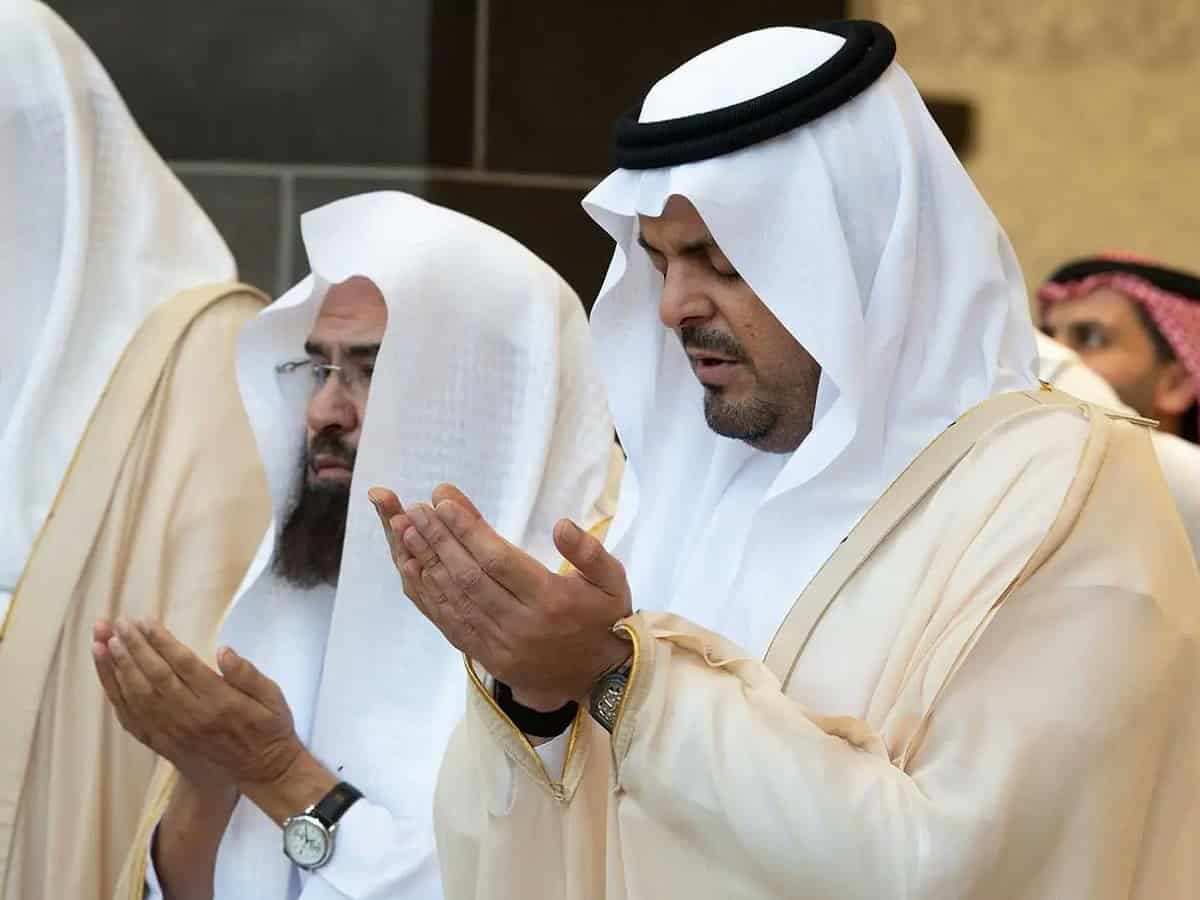
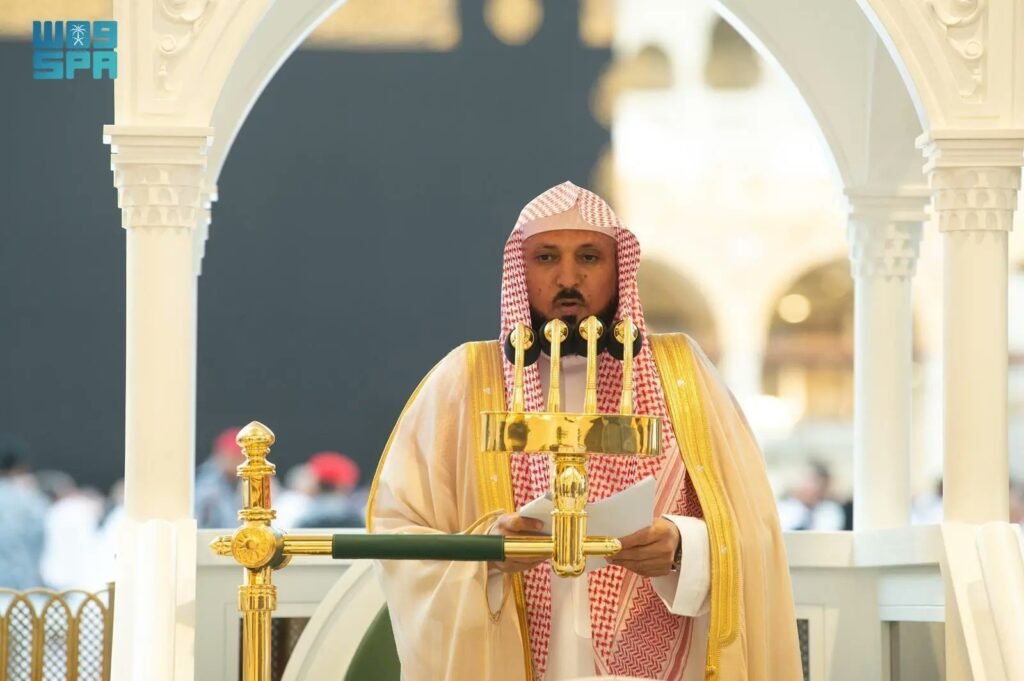
  • Photos: Istisqa prayer performed in Saudi Arabia

    Photos: Istisqa prayer performed in Saudi Arabia


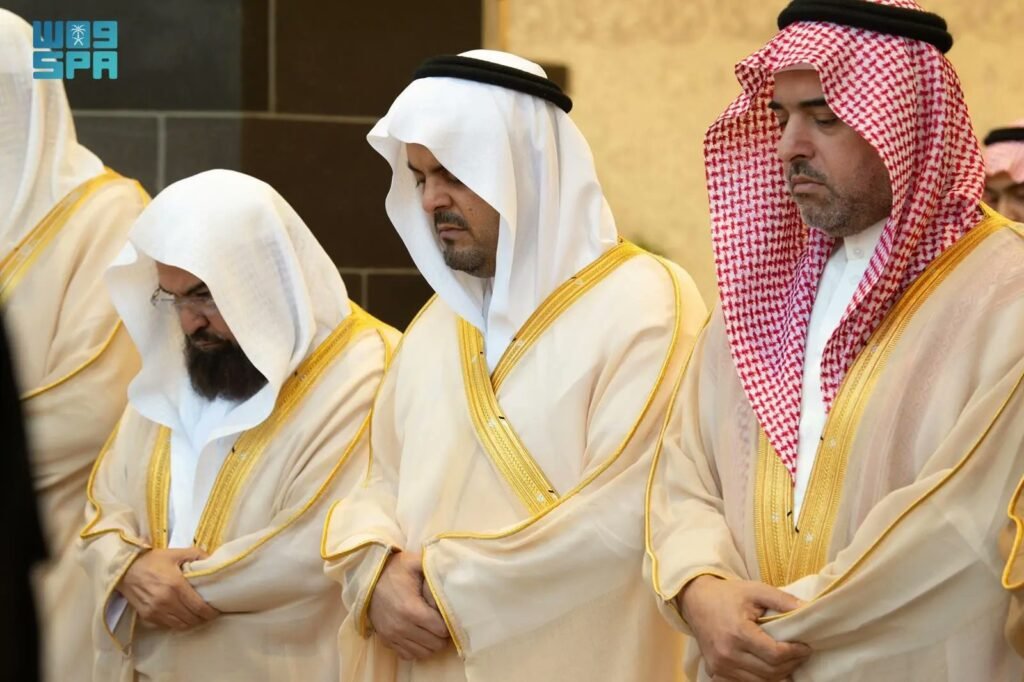
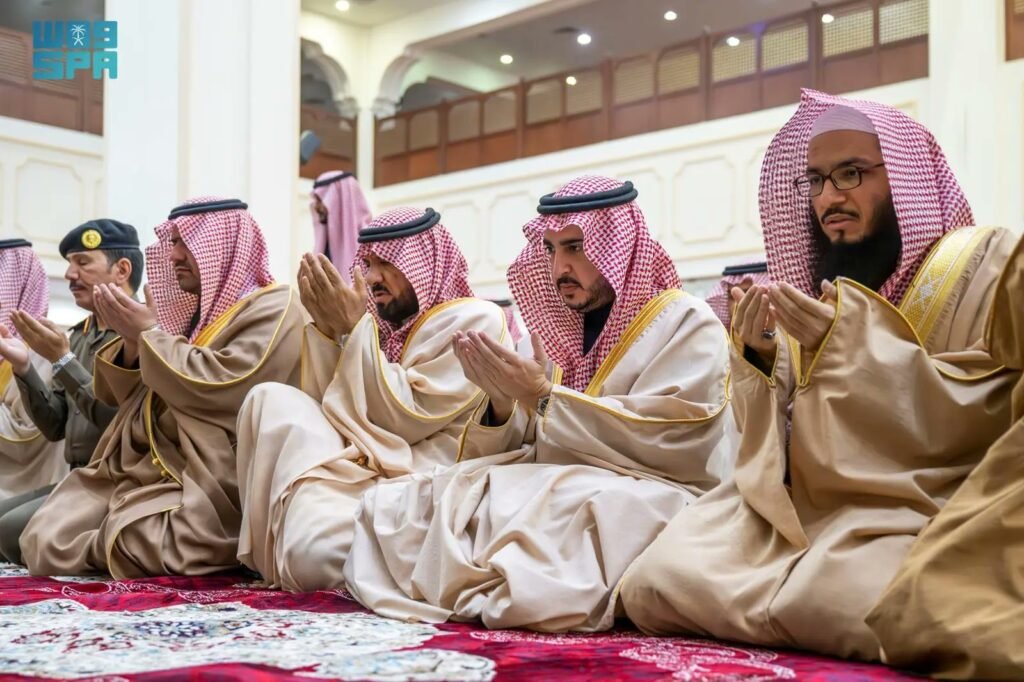
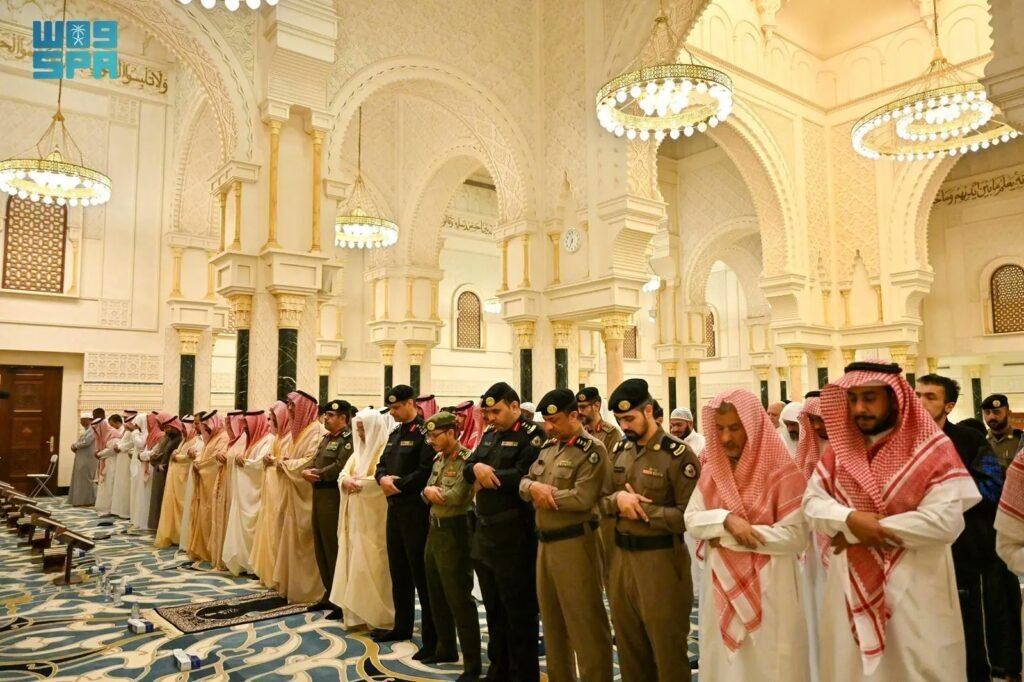
    Photos: Istisqa prayer performed in Saudi Arabia

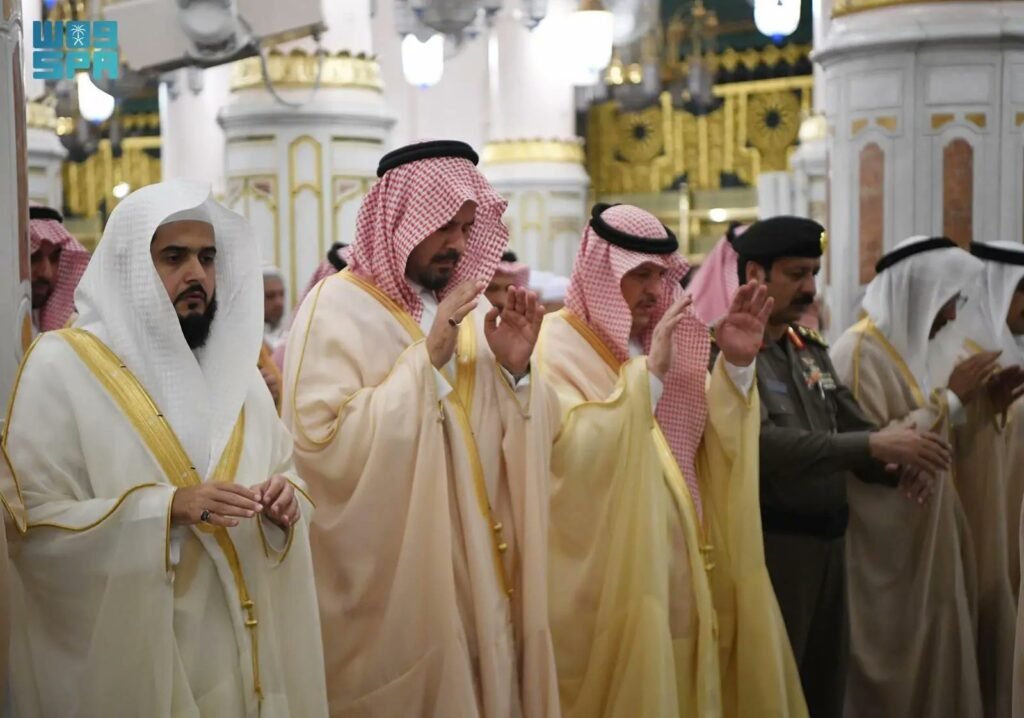
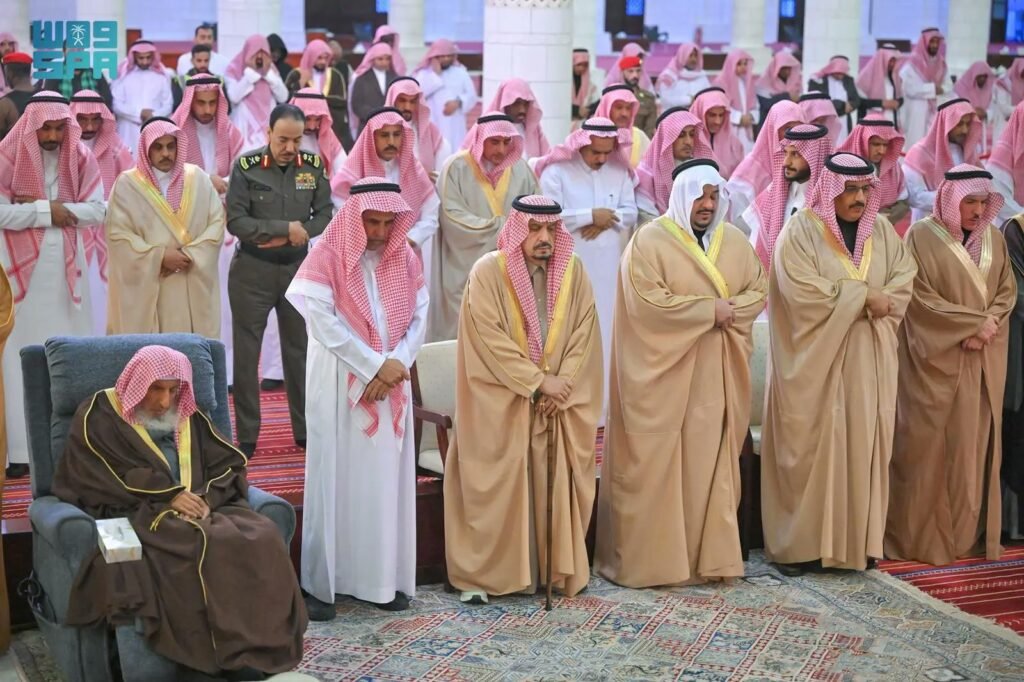
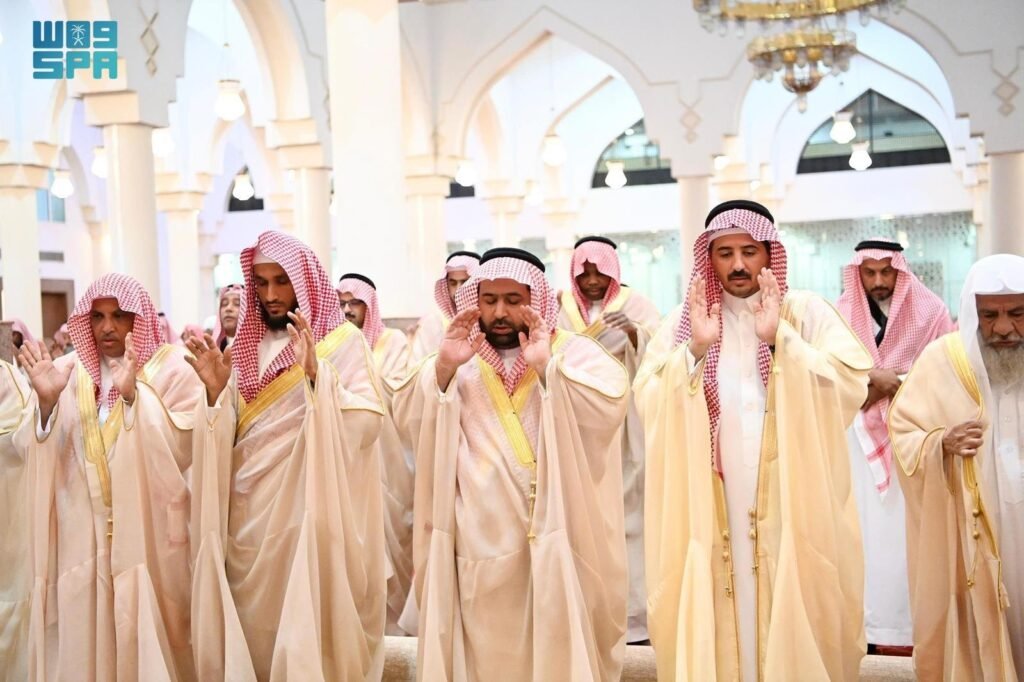
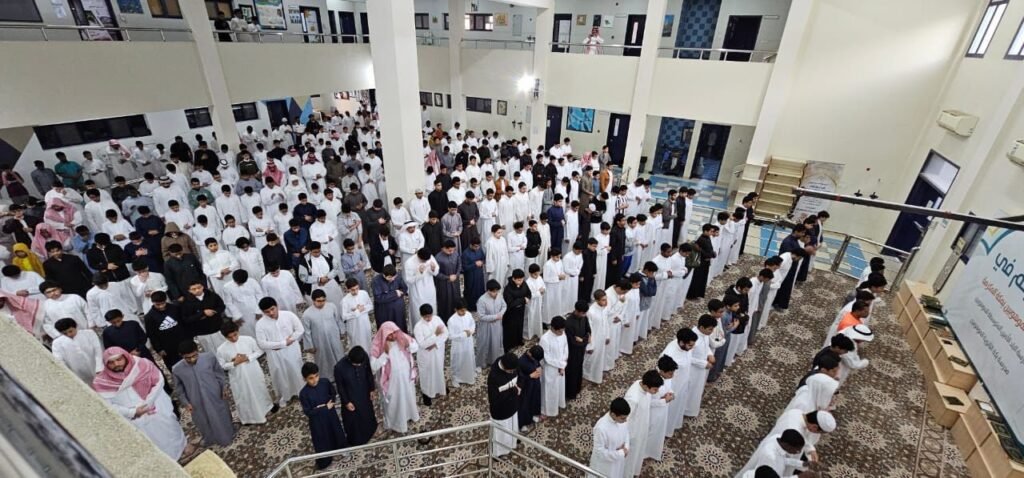
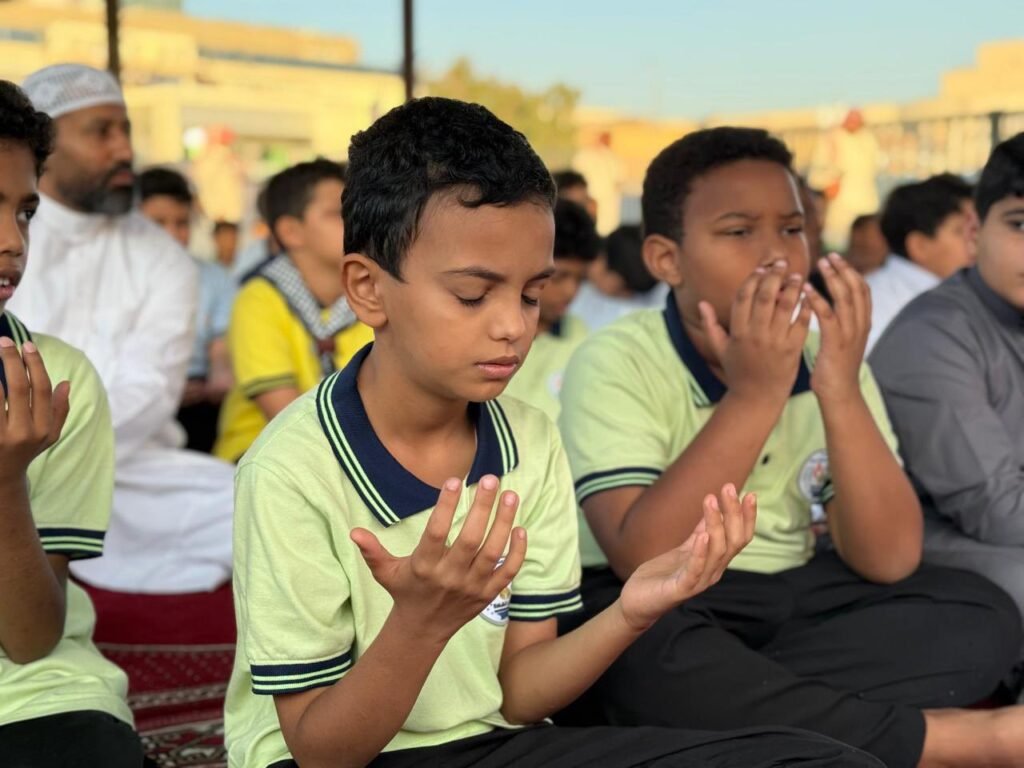
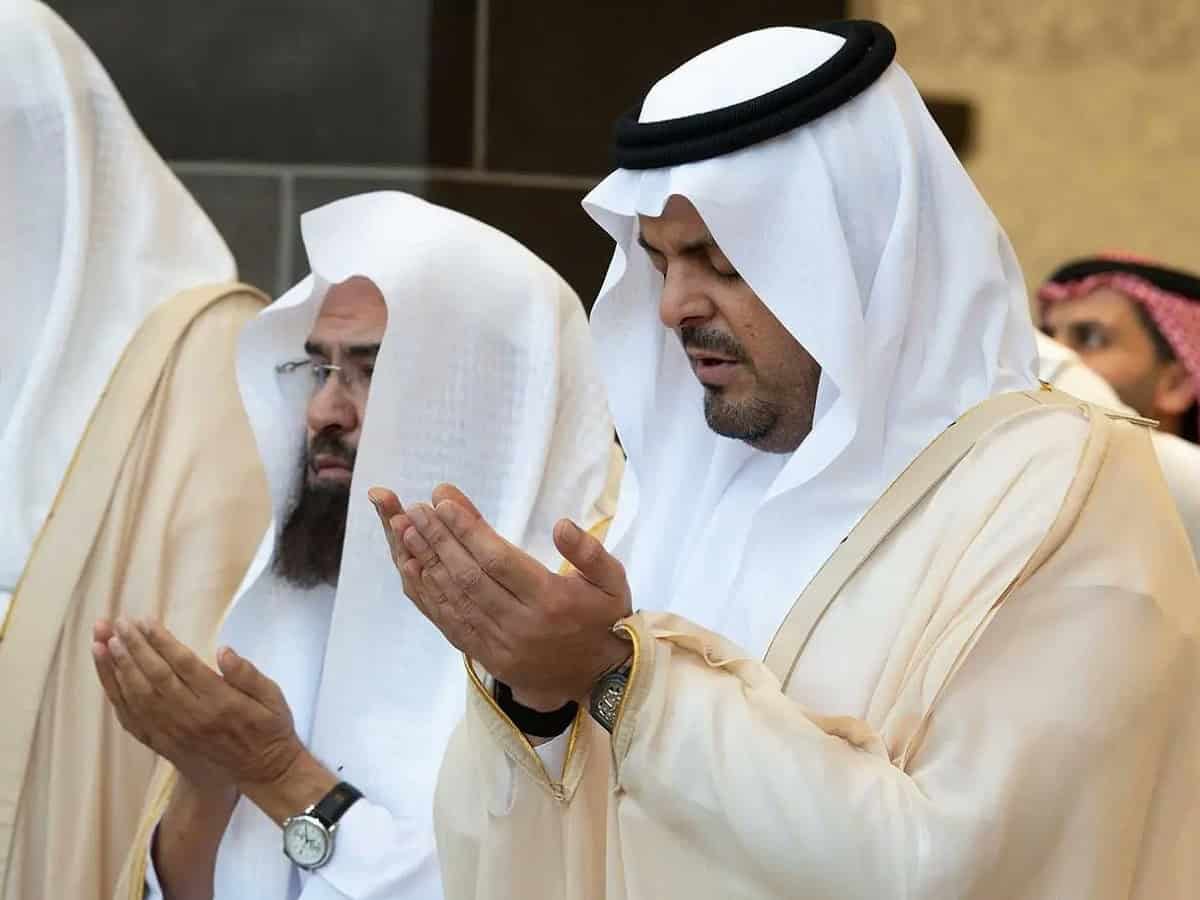
    Riyadh: The Istisqa (rain-seeking) prayer was performed on Thursday, November 28, throughout the Kingdom of Saudi Arabia (KSA) in pursuance of the Sunnah of Prophet Muhammad (peace be upon him).

    It is performed during periods of drought and delayed rain, praying to Allah Almighty for rainfall.

    At the Grand Holy Mosque in Makkah, the prayer was led by Imam Sheikh Dr Maher bin Hamad Al-Muaiqly in the presence of Prince Saud bin Mishaal bin Abdulaziz, deputy governor of Makkah region.

    Also Read
    Saudi Arabia to launch VAT refund system for tourists

    At the Prophet’s Mosque in Madinah, the prayer was led by Imam Sheikh Dr Khalid Al-Muhanna in the presence of Prince Salman bin Sultan bin Abdulaziz, governor of Madinah region.

    The prayer was also performed in other regions and attended by their respective governors and senior officials.

    In their sermons, preachers urged Muslims to pray to Allah for repentance and forgiveness, to do good and charitable deeds, and to supplicate for rainfall.

    Istisqa prayer at the Grand Mosque in Makkah.
    Istisqa prayer at the Grand Mosque in Makkah.
    Istisqa prayer at the Prophet’s Mosque in Madinah.
    Istisqa prayer in Riyadh.
    Istisqa prayer in Jazan.
    Istisqa prayer in Al-Jawf.
    Istisqa prayer in Jeddah.
    School students perform Istisqa prayer. Photo: @SaudiNews50/X
    School students perform Istisqa prayer. Photo: @SaudiNews50/X

    Get the latest updates in Hyderabad City News, Technology, Entertainment, Sports, Politics and Top Stories on WhatsApp & Telegram by subscribing to our channels. You can also download our app for Android and iOS.

  • Israel decides to close its embassy in Ireland as tensions rise over Gaza war

    Israel decides to close its embassy in Ireland as tensions rise over Gaza war

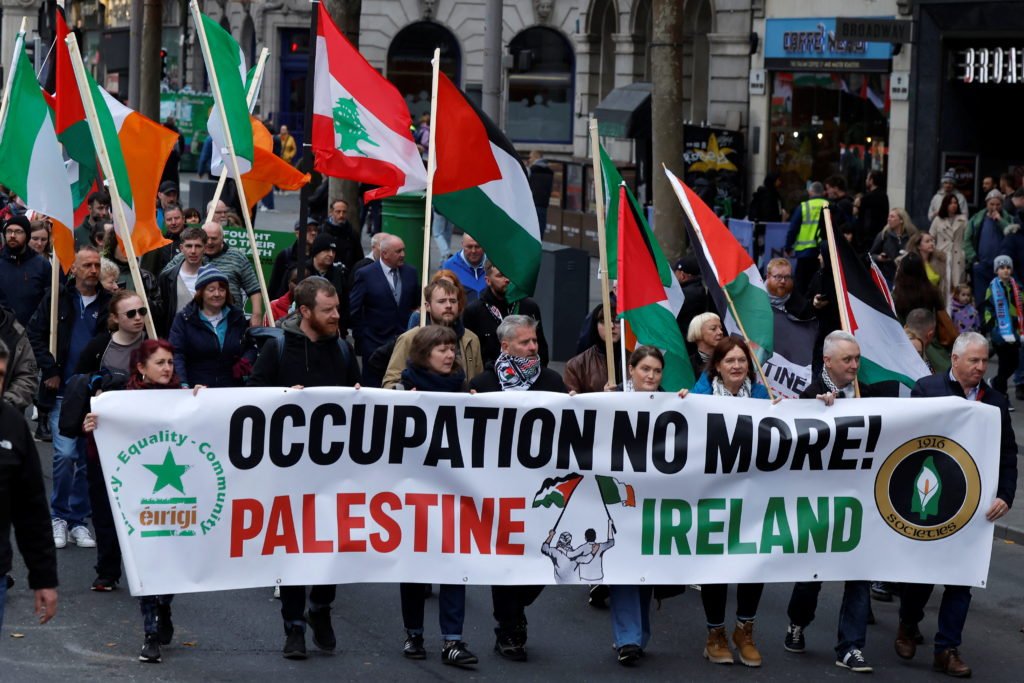
    DEIR AL-BALAH, Gaza Strip (AP) — Israel said Sunday it will close its embassy in Ireland as relations deteriorated over the war in Gaza, where Palestinian medical officials said new Israeli airstrikes killed over 30 people including several children.

    The decision to close the embassy came in response to what Israel’s foreign minister has described as Ireland’s “extreme anti-Israel policies.” In May, Israel recalled its ambassador to Dublin after Ireland announced, along with Norway, Spain and Slovenia, it would recognize a Palestinian state.

    The Irish cabinet last week decided to formally intervene in South Africa’s case against Israel at the International Court of Justice, which accuses Israel of committing genocide in Gaza. Israel denies it.

    READ MORE: Amnesty International says Israel is committing genocide in Gaza. Israel rejects the allegations

    “We are concerned that a very narrow interpretation of what constitutes genocide leads to a culture of impunity in which the protection of civilians is minimized,” Ireland’s deputy premier and foreign affairs minister, Micheal Martin, said in a statement.

    Israeli Foreign Minister Gideon Saar’s statement on the embassy closure said that “Ireland has crossed every red line in its relations with Israel.”

    Irish Prime Minister Simon Harris called the decision to close the embassy “deeply regrettable.” He added on X: “I utterly reject the assertion that Ireland is anti-Israel. Ireland is pro-peace, pro-human rights and pro-international law.”

    Israeli strikes in Gaza kill a journalist and children

    Israeli forces continued Sunday to pound largely isolated northern Gaza, as the Palestinian death toll in the war approached 45,000.

    One airstrike hit the Khalil Aweida school in the town of Beit Hanoun and killed at least 15 people, according to nearby Kamal Adwan Hospital where casualties were taken. The dead included two parents and their daughter and a father and his son, the hospital said.

    In Gaza City, at least 17 people including six women and five children were killed in three airstrikes that hit houses sheltering displaced people, according to Al-Ahli Baptist Hospital.

    “We woke up to the strike. I woke up with the rubble on top of me,” said a bandaged Yahia al-Yazji, who grieved for his wife and daughter. “I found my wife with her head and skull visible, and my daughter’s intestines were gone. My wife was three months pregnant.” His hand rested on a body wrapped in a blanket on the floor.

    Israel’s military in a statement said it struck a “terrorist cell” in Gaza City and a “terrorist meeting point” in the Beit Hanoun area.

    Another Israeli airstrike killed a Palestinian journalist working for Al Jazeera, Ahmed al-Lawh, in central Gaza, a hospital and the Qatari-based TV station said.

    The strike hit a point for Gaza’s civil defense agency in the urban Nuseirat refugee camp, Al-Awda Hospital said. Also killed were three civil defense workers including the head of the agency in Nuseirat, according to al-Aqsa Martyrs hospital. The civil defense is Gaza’s main rescue agency and operates under the Hamas-run government.

    The war in Gaza began after Hamas and other militants from Gaza stormed southern Israel on Oct. 7, 2023, killing some 1,200 people and taking well over 200 hostage.

    Israel’s retaliatory offensive has killed almost 45,000 Palestinians, according to Gaza’s Health Ministry. The ministry’s count does not distinguish between combatants and civilians, but it says over half of the dead have been women and children.

    Melzer reported from Nahariya, Israel. Associated Press writer Danica Kirka in London contributed to this report.

  • Photos: Security amid Friday prayers in Sambhal

    Photos: Security amid Friday prayers in Sambhal


    As Sambhal continues to be on edge following recent developments, security has been significantly bolstered around the Shahi Jama Masjid.

    Devotees arrive at the Shahi Jama Masjid to offer prayers, in Sambhal, Friday, Nov. 29, 2024. (PTI Photo)
    A security official stands guard ahead of Friday prayers, in Sambhal, Friday, Nov. 29, 2024. (PTI Photo)
    A security official keeps a vigil ahead of Friday prayers, in Sambhal, Friday, Nov. 29, 2024.(PTI Photo)

    Get the latest updates in Hyderabad City News, Technology, Entertainment, Sports, Politics and Top Stories on WhatsApp & Telegram by subscribing to our channels. You can also download our app for Android and iOS.

  • West Africa regional bloc approves exit timeline for 3 member nations hit by coups

    West Africa regional bloc approves exit timeline for 3 member nations hit by coups

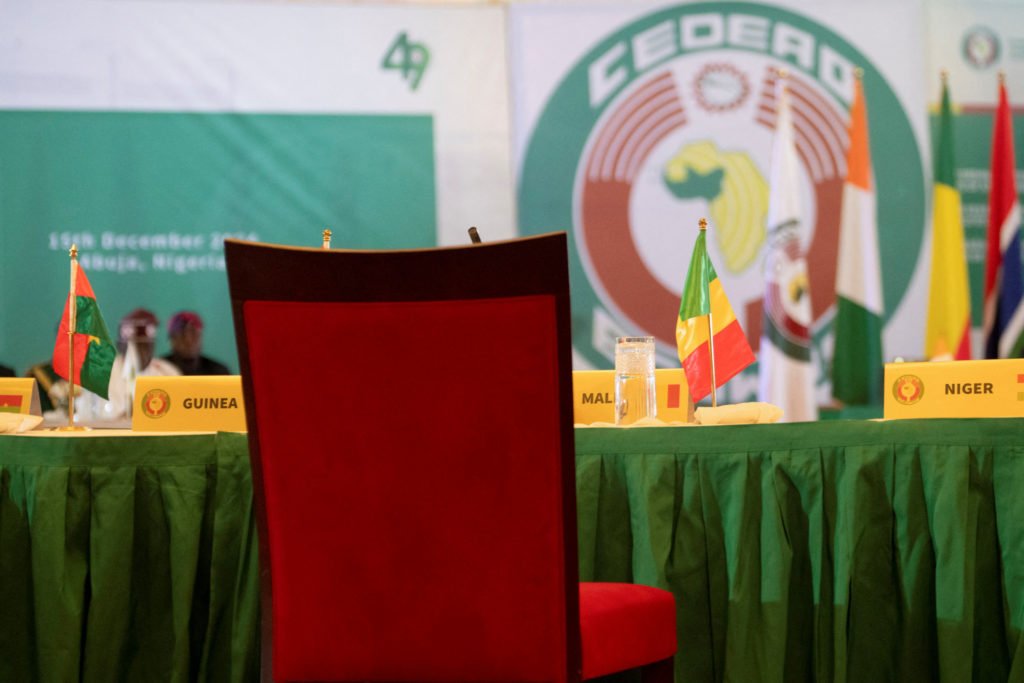
    ABUJA, Nigeria (AP) — West Africa’s regional bloc ECOWAS approved Sunday an exit timeline for three coup-hit nations after a nearly yearlong process of mediation to avert the unprecedented disintegration of the grouping.

    In a first in the 15-nation bloc’s nearly 50 years of existence, the military juntas of Niger, Mali and Burkina Faso announced in January that they decided to leave ECOWAS, accusing it of “inhumane and irresponsible” coup-related sanctions and of failing to help them solve their internal security crises.

    READ MORE: Mali, Niger and Burkina Faso withdraw from West Africa bloc over sanctions to reverse coups

    “The authority decides to set the period from 29 January, 2025 to 29 July 2025 as a transitional period and to keep ECOWAS doors open to the three countries during the transition period,” ECOWAS Commission President Omar Alieu Touray said in his closing remarks Sunday at the summit of regional heads of state in Nigeria’s capital, Abuja.

    The three coup-hit countries have largely rebuffed ECOWAS’ efforts to reverse their withdrawal. They have started to consider how to issue travel documents separately from ECOWAS and are forming their own alliance. The one-year notice for their departure is expected to be completed in January.

    Touray commended efforts by the bloc’s envoys to resolve the crisis. “These efforts underscore your collective commitment to preserving peace and unity in our region,” he said.

    Bola Tinubu, the president of Nigeria and chairman of ECOWAS, said the challenges faced around the world and in the region test its ability to work together. “We must not lose sight of our fundamental responsibility, which is to protect our citizens and create an enabling environment where they can prosper,” he said.

    One major benefit of being a member of ECOWAS is visa-free movement to member states, and it is not clear how that could change after the three countries leave the bloc. Asked about such an implication in July, the ECOWAS commission president said: “When you get out of an agreement … if it is about free trade, free movement of people, the risk of losing those concessions remains.”

    On Saturday, the three countries said in a joint statement that while access to their territories would remain visa-free for other West African citizens, they “reserve the right … to refuse entry to any ECOWAS national falling into the category of inadmissible immigrants.”

    As West Africa’s top political authority since it was formed in 1975, such a division is ECOWAS’ biggest challenge since inception, said Babacar Ndiaye, senior fellow with the Senegal-based Timbuktu Institute for Peace Studies.

    The chances of ECOWAS getting the three countries back into their fold are slim mostly because the bloc wants a quick return to democracy, which the juntas have not committed to, said Mucahid Durmaz, a senior analyst at global risk consultancy Verisk Maplecroft. Allowing the juntas to remain in power “could risk further regional fragmentation” while recognizing them as legitimate authorities would represent “a serious departure from ECOWAS’s founding principles,” Durmaz said.
    The regional bloc also failed to manage the situation in the best possible way, he said.

    “The bloc’s inconsistent responses to coups in the region have given an impression that its stance is influenced more by the political ambitions of member states than by its founding principles of promoting democratic governance,” Durmaz said.

    Associated Press journalist Baba Ahmed in Bamako, Mali, contributed.

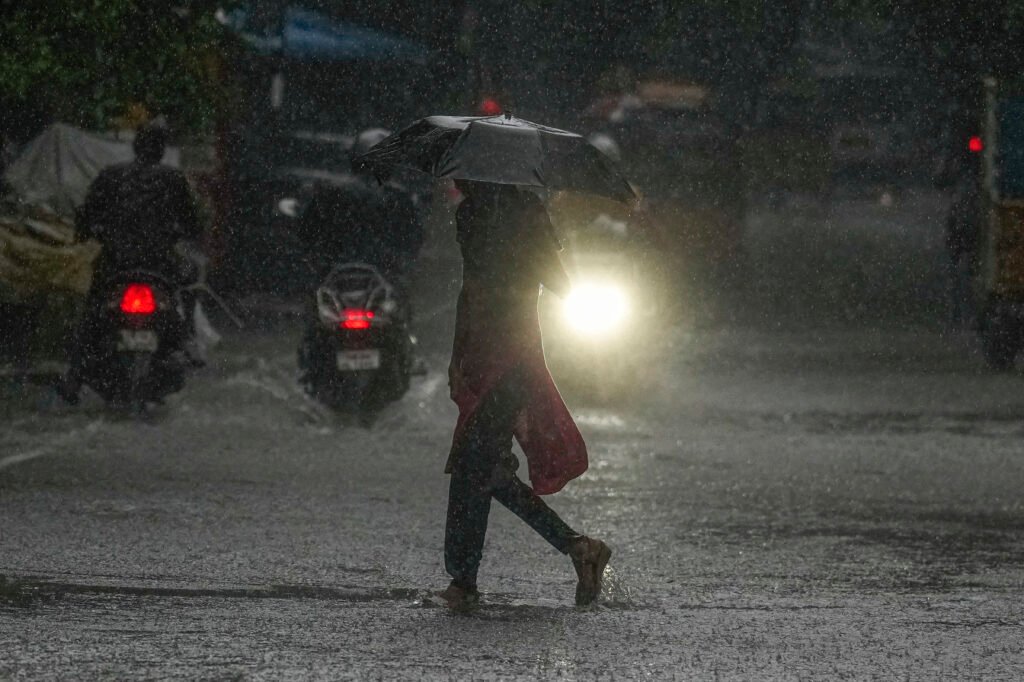
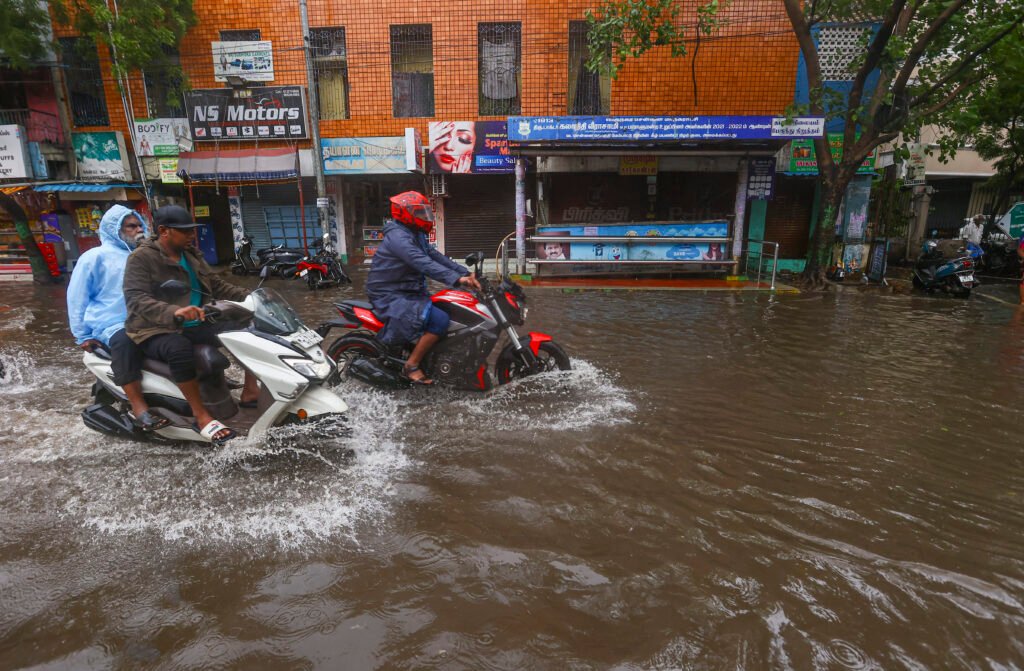
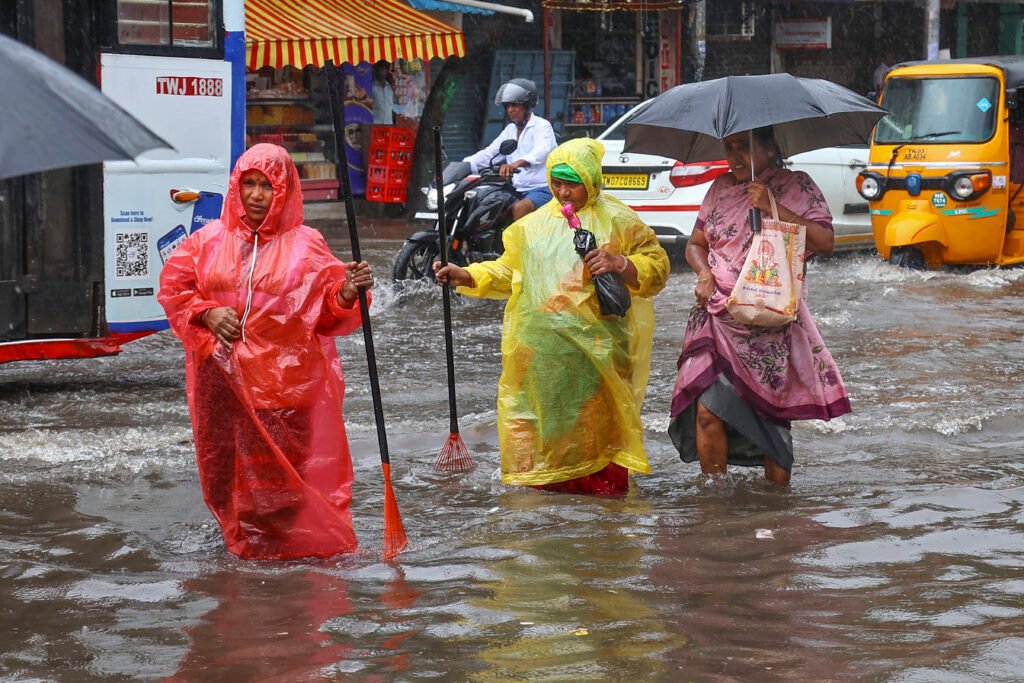
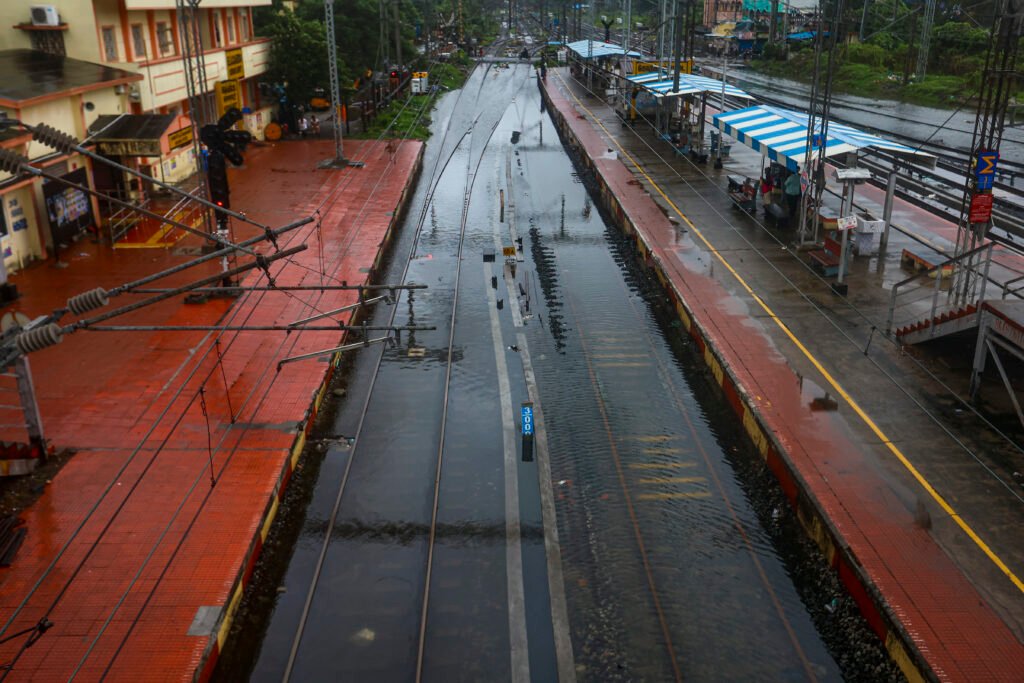
  • Photos: Heavy rains lash TN, ‘Fengal’ continues to move towards coastline

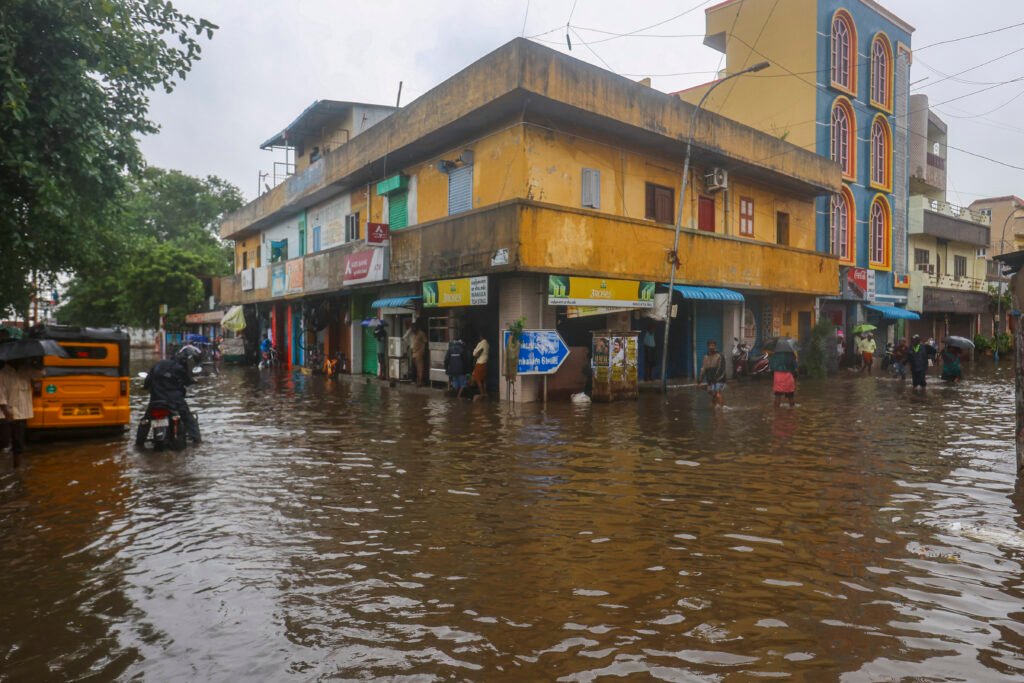
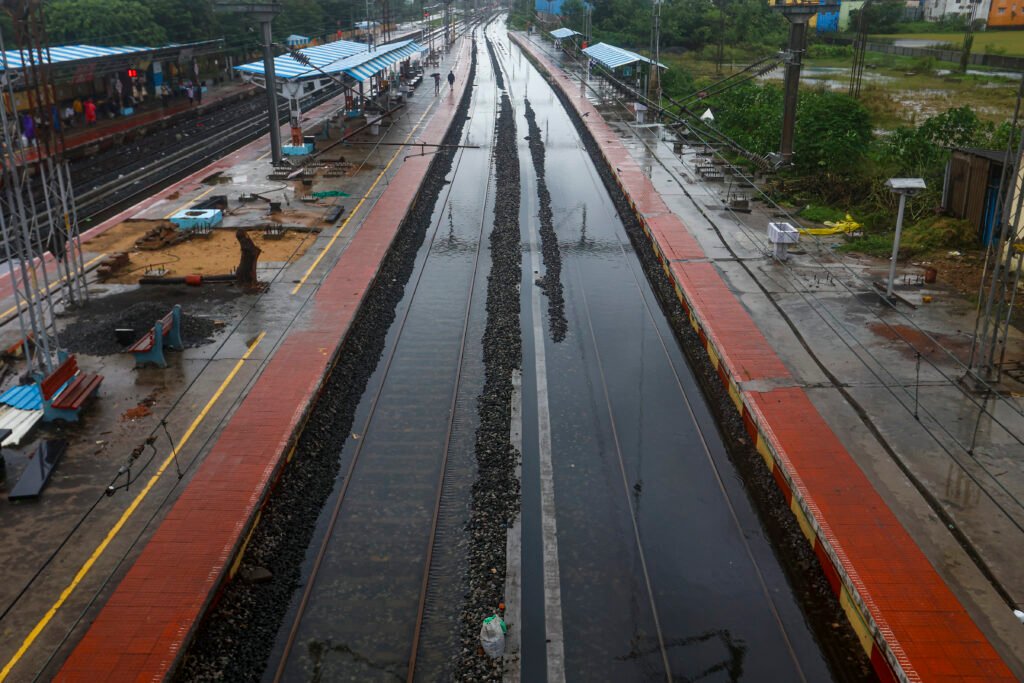
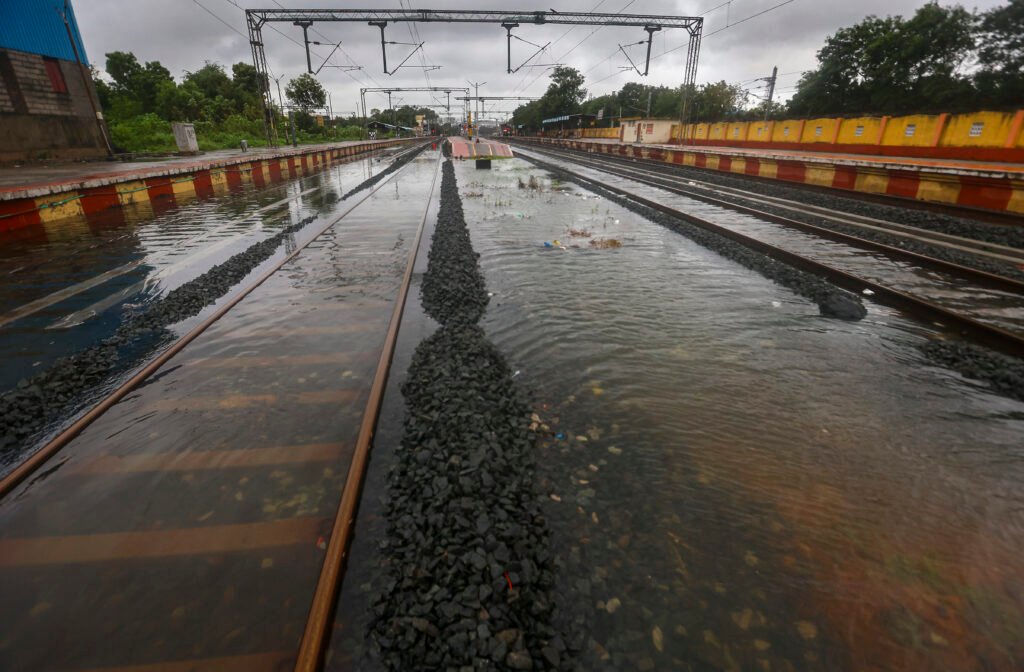
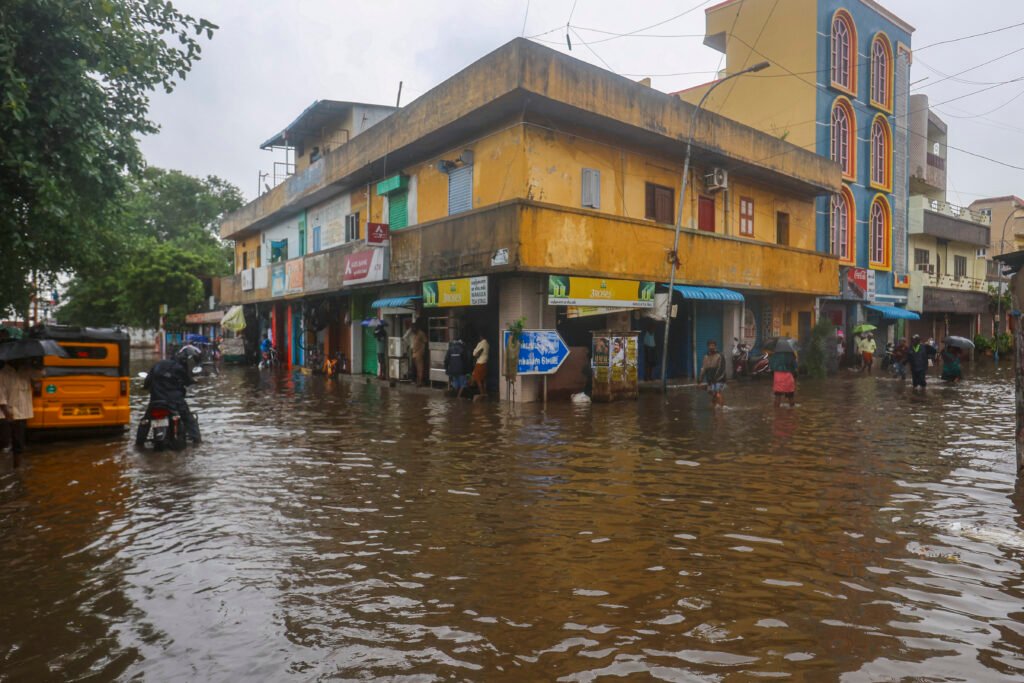
    Photos: Heavy rains lash TN, ‘Fengal’ continues to move towards coastline


    Chennai

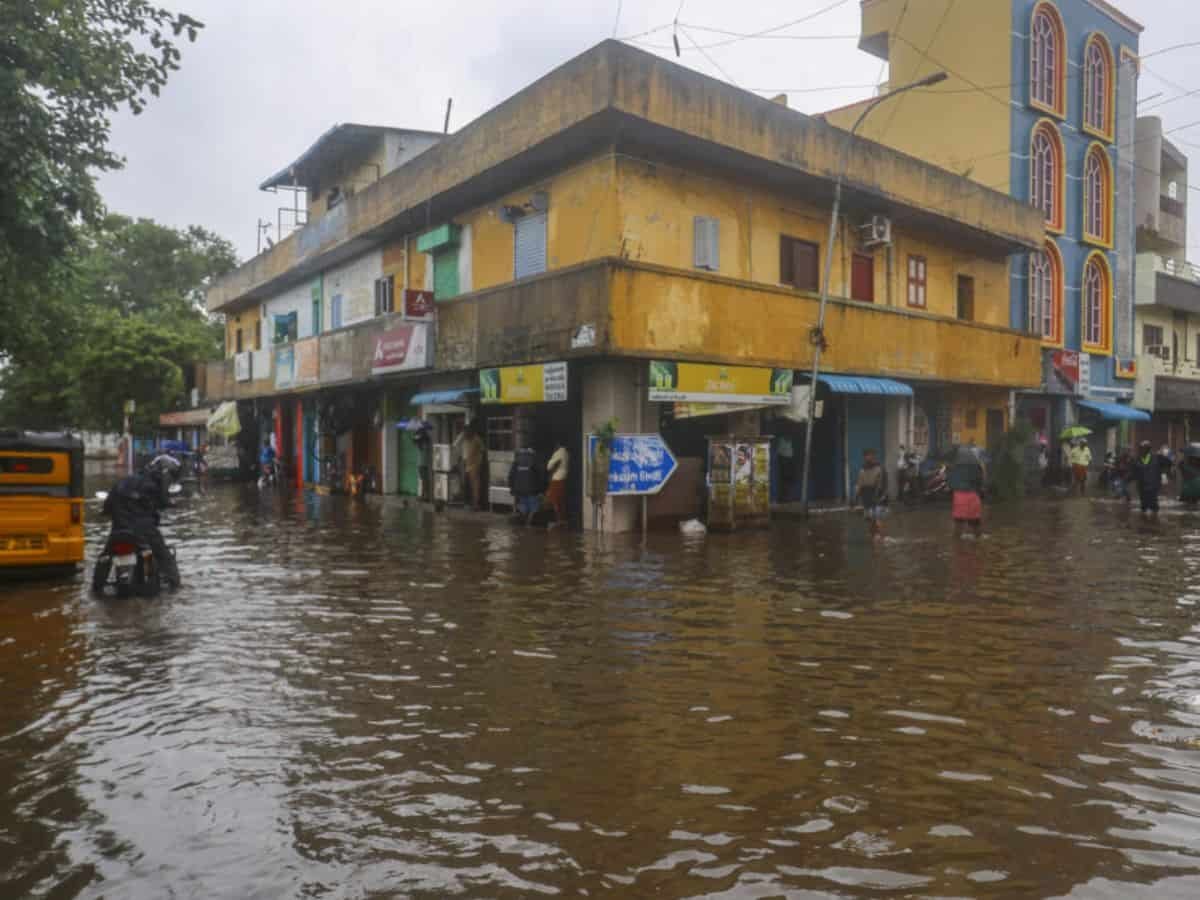
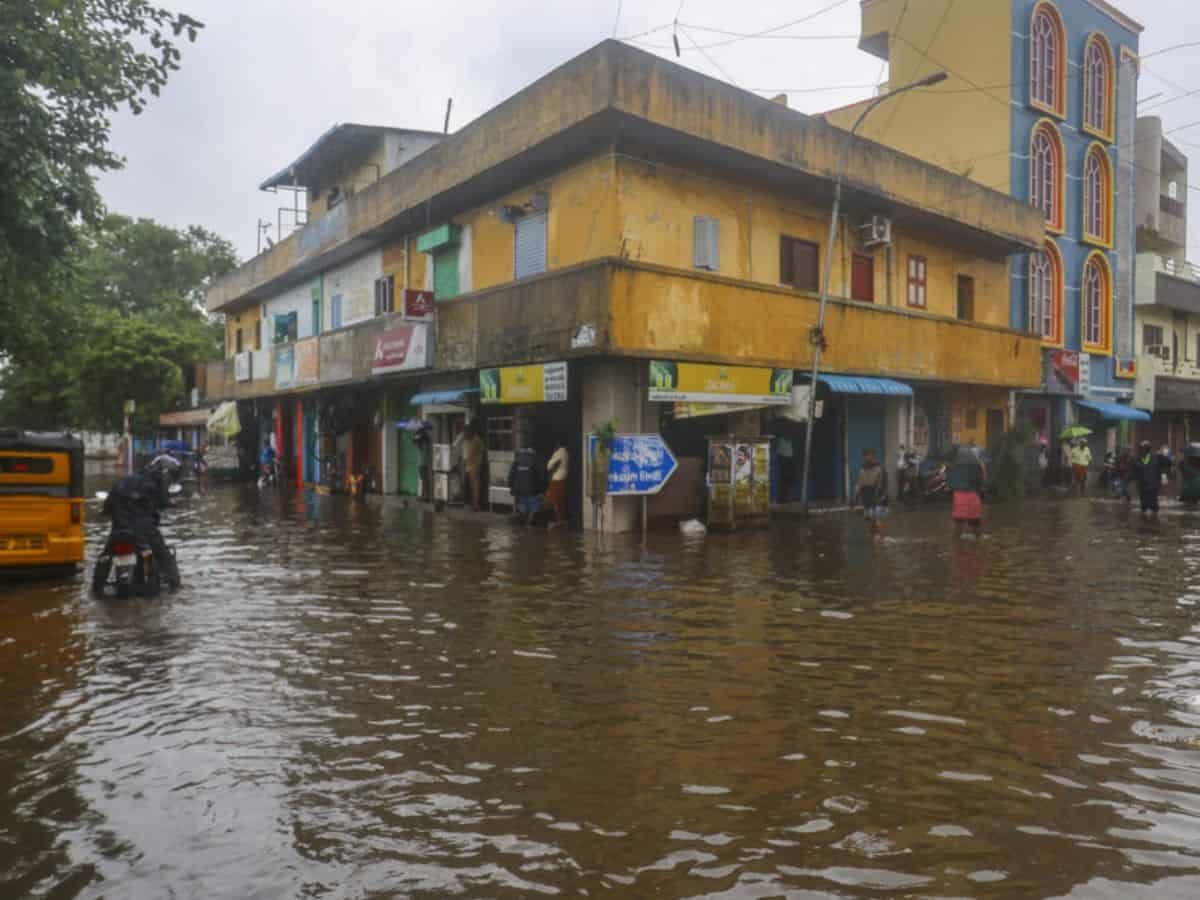
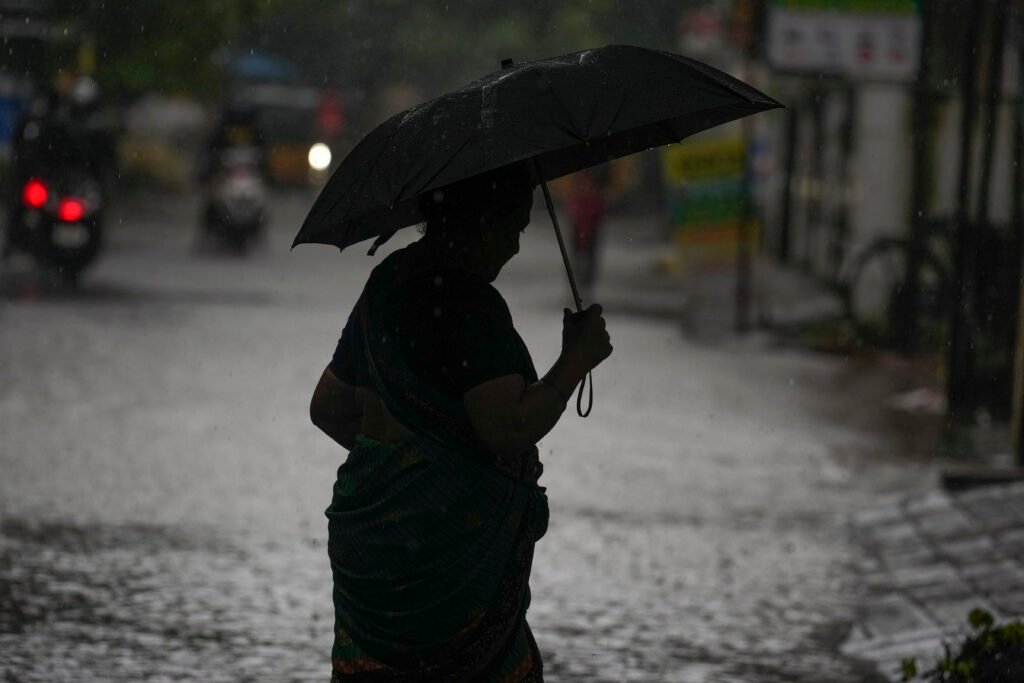
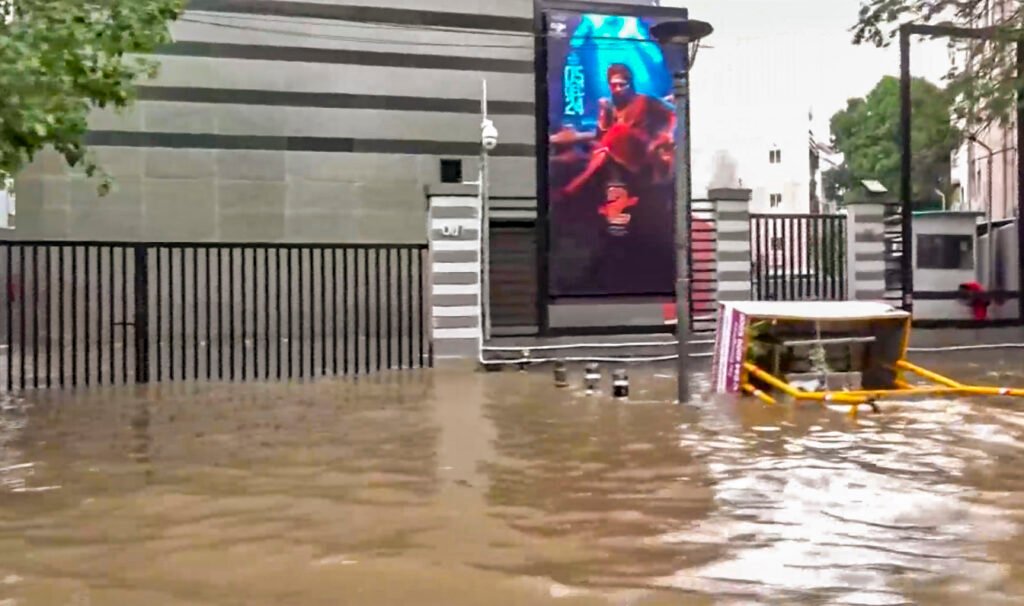
     Heavy rains pounded several parts of north Tamil Nadu and Puducherry on Saturday, under the impact of Cyclone ‘Fengal,’ affecting normalcy and prompting evacuation.The downpour was accompanied by gusty winds and what began as intermittent rainfall in coastal regions on the night of November 29, gradually became steady leading to inundation in several areas.

    Chennai: People ride a two-wheeler amid heavy rain owing to Cyclone Fengal, in Chennai, Saturday, Nov. 30, 2024. (PTI Photo/R Senthilkumar)(PTI11_30_2024_000061B)
    Chennai: A pedestrian crosses a road amid heavy rain owing to Cyclone Fengal, in Chennai, Saturday, Nov. 30, 2024. (PTI Photo/R Senthilkumar)(PTI11_30_2024_000059B)
    Chennai: A pedestrian crosses a road amid heavy rain owing to Cyclone Fengal, in Chennai, Saturday, Nov. 30, 2024. (PTI Photo/R Senthilkumar)(PTI11_30_2024_000058B)
    **EDS: SCREENSHOT VIA PTI VIDEOS** Chennai: A waterlogged road after heavy rainfall owing to Cyclone Fengal, in Chennai, Saturday, Nov. 30, 2024. (PTI Photo)(PTI11_30_2024_000095B)
    Chennai: Vehicles move on a waterlogged road amid rain owing to Cyclone Fengal, in Chennai, Saturday, Nov. 30, 2024. (PTI Photo)(PTI11_30_2024_000125B)
    Chennai: People wade through a waterlogged road amid rain owing to Cyclone Fengal, in Chennai, Saturday, Nov. 30, 2024. (PTI Photo)(PTI11_30_2024_000128B)
    Chennai: A waterlogged railway station after heavy rainfall owing to Cyclone Fengal, in Chennai, Saturday, Nov. 30, 2024. (PTI Photo)(PTI11_30_2024_000138B)
    Chennai: Commuters on a waterlogged road amid rain owing to Cyclone Fengal, in Chennai, Saturday, Nov. 30, 2024. (PTI Photo)(PTI11_30_2024_000135B)
    Chennai: A waterlogged railway station after heavy rainfall owing to Cyclone Fengal, in Chennai, Saturday, Nov. 30, 2024. (PTI Photo)(PTI11_30_2024_000134B)
    Chennai: A waterlogged railway station after heavy rainfall owing to Cyclone Fengal, in Chennai, Saturday, Nov. 30, 2024. (PTI Photo)(PTI11_30_2024_000133B)
    Chennai: Commuters on a waterlogged road amid rain owing to Cyclone Fengal, in Chennai, Saturday, Nov. 30, 2024. (PTI Photo)(PTI11_30_2024_000135B)

    Get the latest updates in Hyderabad City News, Technology, Entertainment, Sports, Politics and Top Stories on WhatsApp & Telegram by subscribing to our channels. You can also download our app for Android and iOS.