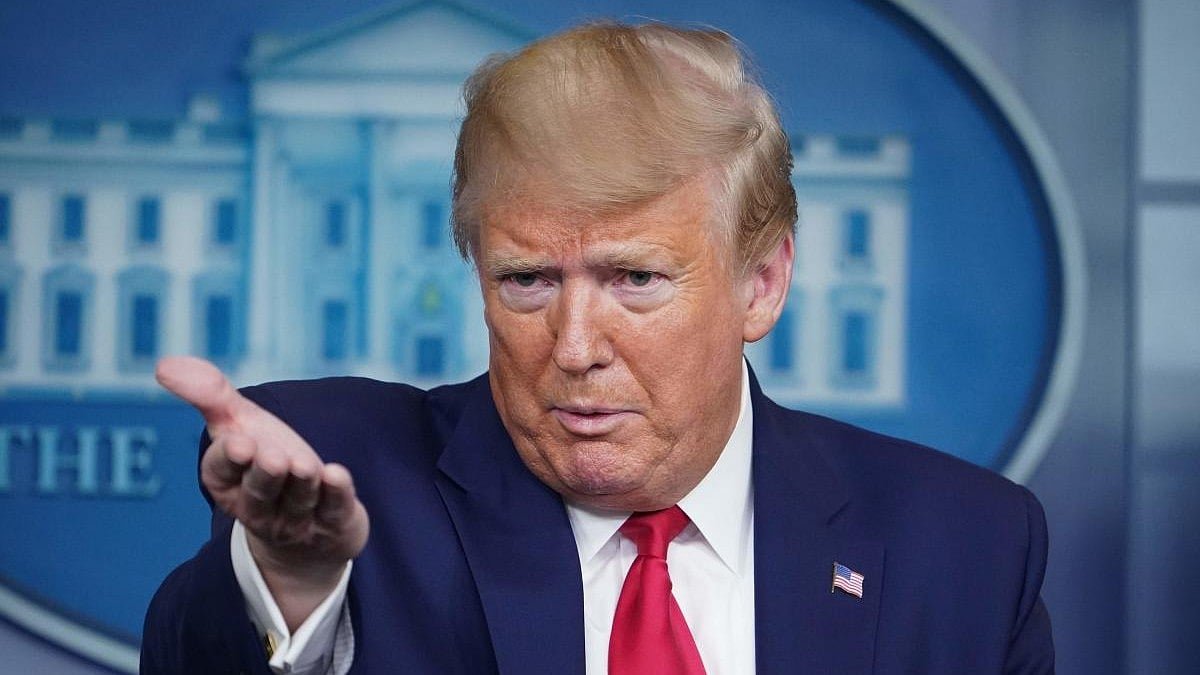
New Delhi: In a landmark judgement that is going to have a far-reaching impact globally, the United States Supreme Court on Friday struck down the bulk of President Donald Trump’s sweeping tariffs, delivering one of the most significant judicial rebukes of his second term.
What does it mean for India?
The top court’s decision does not affect all of Trump’s tariffs. It leaves in place the tariffs he imposed on steel and aluminium using different laws. However, it upends his tariffs in two categories: the country-by-country “reciprocal” tariffs, which ranged from a 10% baseline for most of the world, and a 25% tariff imposed on some goods from Canada, China and Mexico related to fentanyl.
India was subject to the reciprocal tariffs, a 26% rate announced on “Liberation Day” in April 2025, later adjusted to 25%. Those IEEPA-based levies are now invalidated, which means zero reciprocal tariffs on most Indian goods.
Besides, India was facing 25% “penalty” tariffs for importing Russian oil, but that was removed earlier this month as India and the US agreed to a trade deal.
As per the deal, that reciprocal tariff was to come down to 18%, but the rate becomes void for now.
However, Indian exports in steel and aluminium, on which tariffs or duties were imposed under other laws, remain subject to the existing levies.
The top court ruled that Trump exceeded his authority when imposing sweeping tariffs using a law reserved for a national emergency. The verdict was divided 6-3 and authored by Chief Justice John Roberts.
Leave a Reply