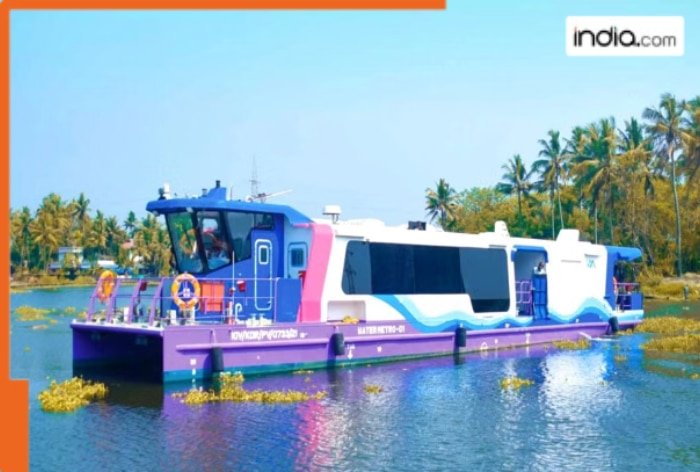
The much-awaited Mumbai water metro is expected to start its services from December this year. Scroll down to know more.
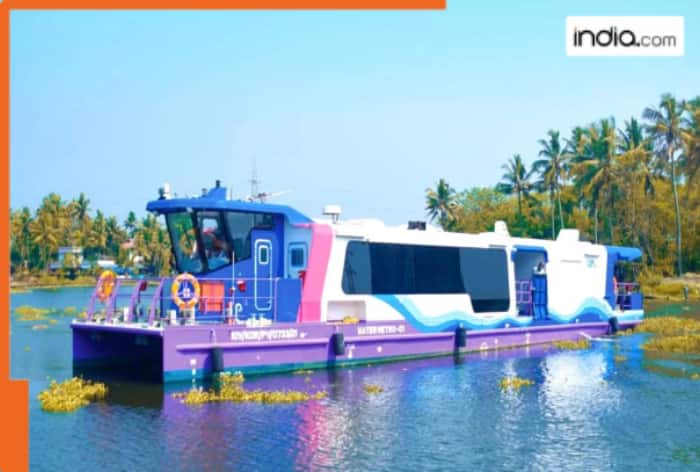
Mumbai water metro BIG update: In a significant connectivity boost for the city of Mumbai, the much-awaited Mumbai water metro is expected to start its services from December. In the recent report, it has been informed that the ambitious project aiming to ease road congestion by introducing battery-powered ferries along the city’s coastline. Nitesh Rane, Maharashtra’s Ports Minister, has said that the project will be rolled out in phases with the first phase launching soon. Here are all the details you need to know about Mumbai water metro project.
When will Mumbai water metro start services?
Mumbai’s long-awaited Water Metro is set to begin from December this year, offering a fresh way to travel across the city’s busy coastline.
Also read: Mumbai-Navi Mumbai airport metro gets approval, to connect Chhatrapati Shivaji Maharaj International Airport and Lokmanya Tilak Terminus LTT; check detailed report
The first services will start on key routes within Mumbai before expanding to the wider Mumbai Metropolitan Region (MMR). A Detailed Project Report (DPR) is expected by the end of February, after which final approvals will be taken. Notably, if everything goes right, the services are expected to start by December.

Which are the top locations covered under Mumbai water metro?
The state government has identified six to eight routes across the MMR for the water transport network. In the first phase, two routes are likely to be launched. Within Mumbai city, the focus will be on some of the busiest coastal stretches, including Nariman Point, Worli, Bandra, Juhu and Versova. These areas often see heavy traffic, and the new service aims to offer faster movement along the coast.
How will the Mumbai Water Metro work?
The Water Metro will use modern battery-powered electric ferries built for city travel. Each ferry is expected to carry around 50 to 100 passengers per trip. The service is being planned as a time-saving and eco-friendly option for daily commuters. Officials believe the project will ease road congestion and reduce pressure on Mumbai’s crowded roads and suburban rail network, providing residents with a cleaner and smoother travel choice.
Leave a Reply