U.S. Immigration and Customs Enforcement launched Operation Metro Surge on Dec. 1.
Federal authorities say the sweeps focused on the Minneapolis-St. Paul metro area have led to the arrest of more than 4,000 people. While the Trump administration has called those arrested “dangerous criminal illegal aliens,” many people with no criminal records, including children and U.S. citizens, have also been detained.
READ MORE: Minneapolis man charged with threatening, cyberstalking ICE officers
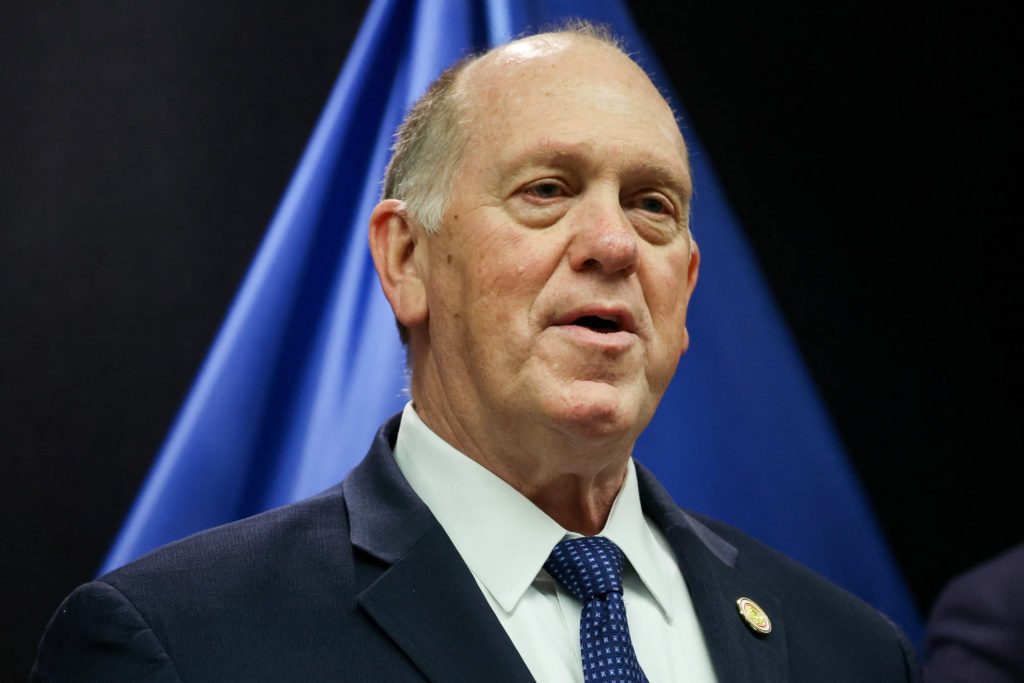
“The surge is leaving Minneapolis safer,” Homan said. “I’ll say it again, it’s less of a sanctuary state for criminals.”
Homan announced last week that 700 federal officers would leave Minnesota immediately, but that still left more than 2,000 on Minnesota’s streets. Homan said Thursday that the drawdown began this week and will continue next week. He said he plans to stay in Minnesota to oversee the drawdown.
Democratic Gov. Tim Walz said Tuesday that he expected Operation Metro Surge to end in “days, not weeks and months,” based on his conversations with senior Trump administration officials. He told reporters he spoke this week with both Homan and White House chief of staff Susie Wiles.
WATCH: Immigration officials defend officers and tactics as public backlash grows
Minneapolis Mayor Jacob Frey also said he had a “positive meeting” with Homan on Monday and discussed the potential for a further drawdown of federal officers.
Homan took over the Minnesota operation in late January after the second fatal shooting by federal immigration agents and amid growing political backlash and questions about how the operation was being run.
“We’re very much in a trust but verify mode,” Walz said, adding that he expected to hear more from the administration “in the next day or so” about the future of what he said has been an “occupation” and a “retribution campaign” against the state.
Officials with the Department of Homeland Security did not reply to a request for comment on the governor’s remarks.
Walz said he had no reason not to believe Homan’s statement last week that 700 federal officers would leave Minnesota immediately, but the governor added that that still left 2,300 on Minnesota’s streets. Homan at the time cited an “increase in unprecedented collaboration” resulting in the need for fewer federal officers in Minnesota, including help from jails that hold deportable inmates.
A free press is a cornerstone of a healthy democracy.
Support trusted journalism and civil dialogue.
Leave a Reply